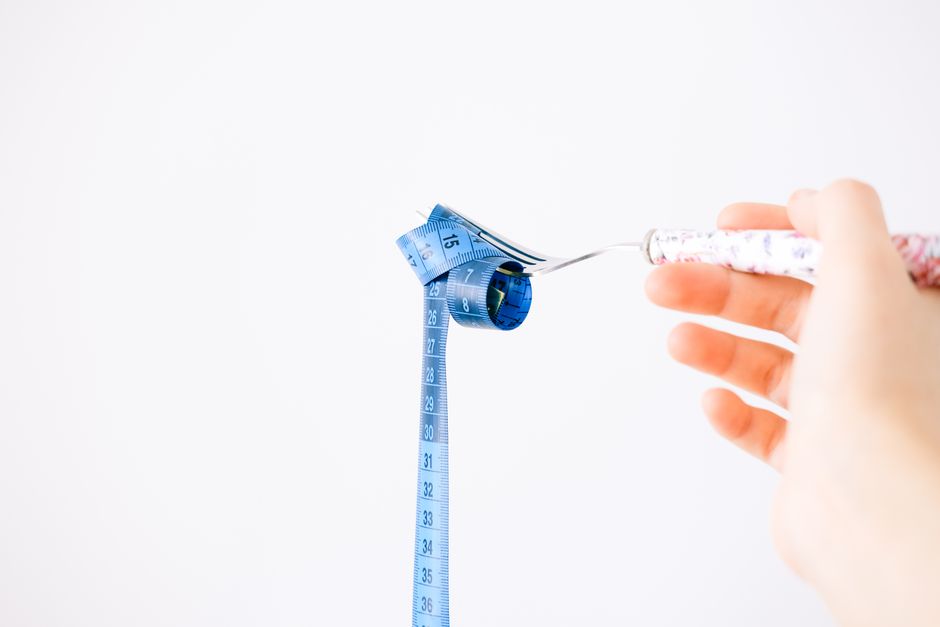
Six Months Is Enough Time for Real Change
Most weight loss advice fails because it promises too much too fast. The truth is simpler and more encouraging than the headlines suggest.
A realistic weight loss goal for 6 months is 24 to 36 pounds for most women, based on the standard clinical guideline of losing 1 to 2 pounds per week. That pace comes from a daily calorie deficit of roughly 500 to 1,000 calories below your maintenance needs. Faster loss often means losing muscle and water, not just fat, and it rarely stays off.
This article covers what the research actually says about sustainable loss, how to set a target you can meet, and why the scale can lie to you. You will also learn how to adjust your plan when progress slows, because it will.
Key Points at a Glance
| Point | What It Means | Why It Matters |
|---|---|---|
| Weekly pace | 1 to 2 pounds per week | This pace preserves muscle and is sustainable long-term |
| Six-month total | 24 to 36 pounds | This is a measurable, achievable target for most women |
| Calorie deficit | 500 to 1,000 calories below maintenance | This creates the weekly loss without extreme restriction |
| Plateaus | Normal after 8 to 12 weeks | Adjusting calories or activity is the fix, not giving up |
| Non-scale wins | Clothing fit, energy, measurements | The scale misses fat loss that muscle gain can hide |
What Is a Realistic Weight Loss Goal for 6 Months, According to Research?
Clinical guidelines consistently point to 1 to 2 pounds per week as the safe, sustainable rate for weight loss. Over 26 weeks, that translates to roughly 26 to 52 pounds, though the lower end is far more common for women over 35. Research published in the American Journal of Clinical Nutrition found that slower, steady loss produces better long-term maintenance than rapid loss.
The math behind this is straightforward. One pound of fat contains roughly 3,500 calories. A daily deficit of 500 calories creates about one pound of loss per week, and a 1,000-calorie deficit creates about two. I always tell clients to aim for the middle — around 1.5 pounds weekly — because it gives you room to eat normally on weekends.
Practical Tip: Use a TDEE calculator to find your maintenance calories first. Then subtract 500 to 750 calories from that number for your daily target. Never go below 1,200 calories without medical supervision.
Why Faster Weight Loss Usually Backfires
Crash diets that promise 10 pounds in two weeks are not sustainable, and they often cause muscle loss. When you lose weight too quickly, your body breaks down muscle tissue for energy, which slows your metabolism. Some studies suggest that rapid loss also triggers hormonal changes that increase hunger and cravings.
There is also the rebound effect. Research on weight cycling shows that most people who lose weight quickly regain it within two years. Slow, steady loss gives your body time to adjust to a lower set point, which makes maintenance easier. I have seen this pattern repeat with clients for years — the ones who lose slowly are the ones who keep it off.
How to Set Your Own Six-Month Target
Start with your current weight and subtract 10 to 15 percent. That is a realistic six-month goal for most women, and it matches the 1 to 2 pound weekly pace. For a 200-pound woman, that means a target of 20 to 30 pounds over six months.
Your age, activity level, and starting weight all affect the pace. Women over 40 often lose more slowly due to hormonal changes and natural muscle loss. If you are already active, your deficit may need to come from food rather than additional exercise.
Track your progress weekly, not daily. Daily weigh-ins show water fluctuations that have nothing to do with fat loss. I recommend weighing yourself on the same day each week, in the morning, after using the bathroom, before eating.
What to Do When Progress Slows
Every weight loss journey hits a plateau, usually around week 8 to 12. Your body adapts to the lower calorie intake, and your maintenance needs drop as you lose weight. This is normal, not a sign of failure.
The fix is to adjust your calorie target down by 100 to 200 calories or increase your daily steps. Adding strength training helps preserve muscle, which keeps your metabolism from dropping too far. If you have been stuck for three weeks, that is the time to make one change, not two or three.
Practical Tip: Recalculate your TDEE every 10 pounds lost. Your maintenance calories drop as you shrink, so your deficit needs to adjust too.
The Scale Is Not the Whole Story
Muscle weighs more than fat by volume, so strength training can mask fat loss on the scale. If your measurements are shrinking and your clothes fit better, you are losing fat even when the number does not move. Some research suggests that body composition matters more than total weight for long-term health.
Track your waist measurement and how your clothes fit alongside the scale. Take progress photos monthly — they show changes the scale misses. I always tell clients that the mirror and the measuring tape are more honest than the scale over time.
Frequently Asked Questions
Related Articles
What is a realistic weight loss goal for 6 months for a woman over 40?
Most women over 40 can realistically lose 15 to 25 pounds in six months. Hormonal changes and natural muscle loss slow the pace compared to younger women.
Is losing 30 pounds in 6 months realistic?
Yes, for many women, 30 pounds in six months is achievable at the upper end of the standard 1 to 2 pound weekly pace. It requires a consistent daily deficit of about 750 calories.
How many calories should I eat to lose weight in 6 months?
Subtract 500 to 750 calories from your maintenance needs, which you can find with a TDEE calculator. Most women need between 1,400 and 1,800 calories daily, depending on their size and activity level.
What if I only lose 10 pounds in 6 months?
Ten pounds in six months is still meaningful progress and may be appropriate if you have less weight to lose. Any weight loss that improves your health markers is a success.
How do I know if my weight loss pace is healthy?
A healthy pace is 1 to 2 pounds per week, and you should not be losing muscle mass or feeling constantly fatigued. If you are losing more than 2 pounds weekly after the first two weeks, you are likely losing muscle or water.
Use the TDEE Calculator to find your maintenance calories and build a realistic six-month plan. Start with the weekly pace, not the total number, and adjust as your body responds.

The TDEECAL Team writes about nutrition, metabolism, and fat loss the way we built our calculator, with real numbers and no hype. We dig into the research so you don’t have to guess.