Walking into a gym can feel like stepping into a maze of steel and cables. You might wonder if that new rowing machine is worth your time or if you should just stick to the treadmill.
For most people, the best workout equipment for weight loss is a combination of a treadmill or elliptical for steady cardio, and a set of adjustable dumbbells for strength training. This pairing keeps your heart rate up while also building the muscle that helps you burn more calories at rest.
Here is the honest truth: no single machine melts fat faster than another. The equipment that works best is the equipment you will actually use consistently, several times a week, for months on end. This article breaks down what science says about different tools, what to skip, and how to build a routine that fits your real life.
Most generic advice fails because it ignores your specific constraints. Maybe you have knee pain, limited space, or only thirty minutes a day. We will cover how to match equipment to your situation rather than chasing the latest fitness trend.
Key Points at a Glance
| Point | What It Means | Why It Matters |
|---|---|---|
| Cardio machines burn calories fast | Treadmills, ellipticals, and bikes burn 200-400 calories in 30 minutes depending on effort | This is your fastest path to a calorie deficit on workout days |
| Strength training protects your results | Dumbbells or resistance bands build muscle that raises your resting metabolic rate | More muscle means you burn more calories even while sitting on the couch |
| Consistency beats intensity | The best equipment is the one you can use 3-4 times weekly without dreading it | Missed workouts undo the benefits of perfect technique on rare occasions |
| Home equipment saves time | A compact set of dumbbells or a jump rope removes the commute barrier | People who exercise at home average more sessions per week |
What Does Science Say About Different Machines?
Research consistently shows that the calorie burn from steady-state cardio depends mostly on your body weight and effort level, not the specific machine. A 155-pound person burns roughly 260 calories in 30 minutes on a treadmill at 5 mph, about 250 on an elliptical, and around 230 on a stationary bike at moderate effort.
The treadmill often comes out slightly ahead because you are moving your full body weight against gravity. But that advantage disappears if you hate running and skip sessions. The elliptical offers lower joint impact, which matters if you have knee or hip issues that make running painful.
Practical tip: I always tell my clients to test a machine for ten minutes before committing. Your body will tell you quickly whether the movement pattern feels natural or forced.
Is What Is the Best Workout Equipment for Weight Loss Actually Dumbbells?
Strength training deserves more credit than it gets in weight loss conversations. Muscle tissue burns about 6 calories per pound per day at rest, while fat burns only about 2. Adding five pounds of muscle through consistent strength work raises your daily calorie burn by roughly 30 calories without any extra cardio.
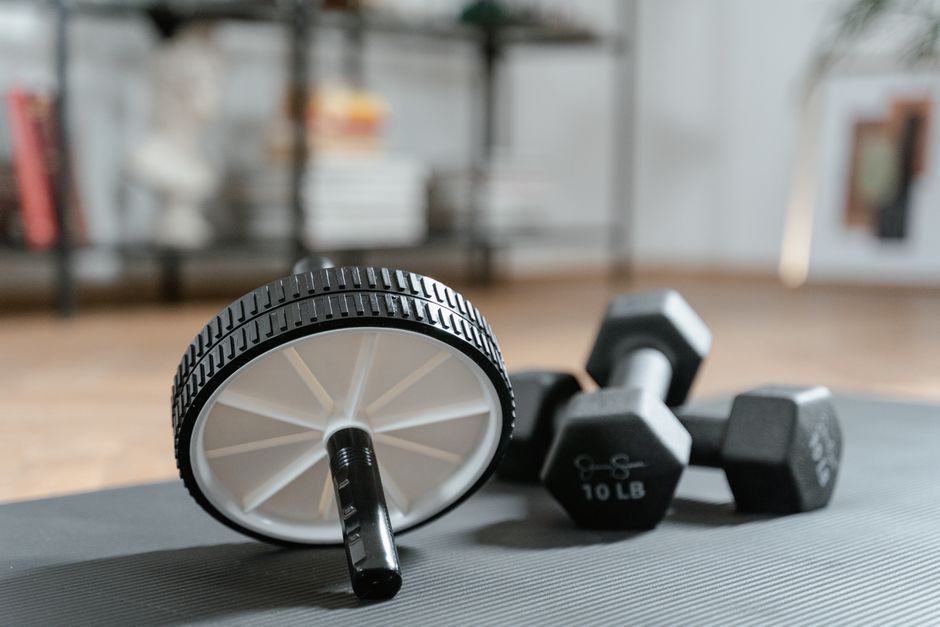
Adjustable dumbbells are the most practical strength tool for home use. They replace an entire rack of weights in a footprint smaller than a kitchen chair. Start with a weight that lets you complete 10-12 repetitions with good form but leaves the last two reps feeling challenging.
Resistance bands are a cheaper alternative that work well for beginners. They lack the linear loading of dumbbells, meaning the resistance changes as you stretch the band, but they cost under 30 dollars and store in a drawer. Some studies suggest bands build strength comparable to traditional weights for novice lifters.
How Should You Combine Cardio and Strength Equipment?
The most effective weekly setup uses both types of equipment. Aim for three days of strength training using dumbbells or bands, and two to three days of cardio on whatever machine you enjoy most. This split gives you the calorie burn from cardio plus the metabolic boost from muscle building.
A simple week might look like Monday and Thursday for upper body strength, Wednesday for lower body, and Tuesday, Friday, and Saturday for 30-minute cardio sessions. You can alternate the cardio machine each time to avoid boredom and challenge different muscle patterns.
Practical tip: I personally schedule strength first on days when I do both. Lifting with fresh legs lets you push harder, and the cardio afterward burns more calories because your body is already warmed up.
What About High-Tech Equipment Like Rowing Machines or Assault Bikes?
Rowing machines and fan bikes get a lot of hype for their full-body engagement. A rowing stroke works your legs, back, and arms simultaneously, which can push your calorie burn higher than a treadmill at the same perceived effort. The catch is that proper rowing form takes practice, and poor technique reduces both effectiveness and safety.
Fan bikes, sometimes called assault bikes, allow for brutal interval sessions that spike your heart rate quickly. The evidence for interval training shows it can produce comparable fat loss to steady-state cardio in less time, but the intensity is uncomfortable. If you have high blood pressure or heart conditions, check with your doctor before attempting all-out intervals.
These machines are not better for weight loss than simpler options. They just offer variety for people who get bored with standard cardio. A jump rope at fifteen dollars provides similar cardiovascular benefits with far less cost and space.
Frequently Asked Questions
Related Articles
How much weight should I use for strength training?
Choose a weight that makes the last two repetitions of each set feel hard but still doable with proper form. If you can easily complete 15 reps, the weight is too light to stimulate muscle growth.
How long should each workout session last?
Aim for 30 to 45 minutes per session, which balances effectiveness with sustainability. Shorter sessions of 20 minutes still help if that is all your schedule allows.
Do I need a gym membership to lose weight?
No, you can achieve excellent results at home with adjustable dumbbells and a jump rope or resistance bands. The gym offers more variety but adds commute time that often becomes a barrier to consistency.
How many days per week should I exercise?
Most guidelines suggest 150 minutes of moderate cardio plus two strength sessions weekly for general health. For weight loss, you may need closer to 200-300 minutes weekly, which breaks down to about 40-60 minutes on five days.
Is walking on a treadmill enough to lose weight?
Walking burns fewer calories per minute than running, but it is easier to sustain for longer periods and gentler on joints. A brisk 60-minute walk can burn 250-350 calories, which contributes meaningfully to a weekly deficit.
Should I buy equipment before starting a workout program?
Start with what you already have, whether that is a pair of shoes for walking or a basic set of bands. Purchase new equipment only after you have maintained a routine for three to four weeks and know what you will actually use.
Your best equipment choice comes down to what fits your body, your space, and your schedule. A modest home setup with dumbbells and a cardio option beats an expensive gym membership you never use. Track your calories with a TDEE calculator to understand your maintenance level, then create a modest deficit of 300-500 calories daily through a combination of diet and exercise.

The TDEECAL Team writes about nutrition, metabolism, and fat loss the way we built our calculator, with real numbers and no hype. We dig into the research so you don’t have to guess.