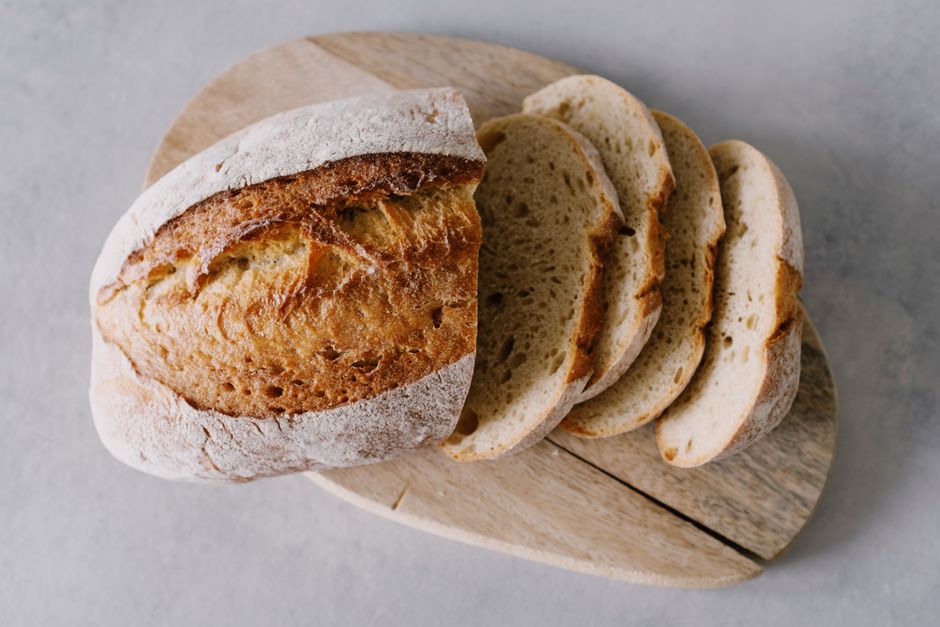
Is Yeast Bad for Weight Loss? The Straight Answer
You have probably seen yeast blamed for bloating, cravings, and stalled weight loss. But the truth is more straightforward than most online advice suggests.
No, yeast is not bad for weight loss. The yeast used in bread and baking contains almost no calories and does not cause weight gain on its own. The real issue is what yeast is usually found in—sugary pastries, white bread, and processed foods that pack in calories without keeping you full.
This article separates what science actually says about yeast from the myths circulating online. You will learn how different types of yeast affect your body, which foods deserve your attention, and how to make smarter choices without giving up your favorite baked goods.
Key Points at a Glance
| Point | What It Means | Why It Matters |
|---|---|---|
| Yeast itself is low-calorie | One tablespoon of active dry yeast has about 15 calories | Yeast alone cannot cause weight gain |
| Yeast does not spike blood sugar | It contains no sugar and minimal carbohydrates | Blood sugar spikes drive cravings and fat storage |
| Carbs matter more than yeast | Refined flour in bread raises insulin quickly | Insulin promotes fat storage when elevated |
| Fermented foods can support gut health | Some research links healthy gut bacteria to easier weight management | Gut health plays a role in metabolism |
What Is Yeast and How Does It Affect Your Body?
Yeast is a single-celled fungus that has been used in baking and brewing for thousands of years. The most common type, Saccharomyces cerevisiae, eats sugars and produces carbon dioxide gas, which makes bread rise.
Nutritionally, yeast is remarkably unremarkable. A tablespoon of active dry yeast contains roughly 15 calories, about 2 grams of protein, and less than 2 grams of carbohydrates. Compare that to the slice of bread it helps create, which typically runs 70 to 100 calories depending on the flour and added fats.
The confusion about yeast and weight likely comes from the foods that contain it. Croissants, cinnamon rolls, and commercial sandwich bread are not weight-loss friendly because of their refined flour, added sugar, and butter—not because of the yeast itself.
Does Yeast Cause Bloating or Water Retention?
Some people feel bloated after eating bread, and they blame yeast. The science suggests something else is often going on.
Bloating after bread usually comes from the carbohydrates fermenting in your gut, not from the yeast surviving in your digestive system. Your stomach acid kills most yeast before it reaches your intestines. If you notice bloating after bread, the likely culprits are the wheat proteins, the fiber content, or the sheer volume of carbohydrates you ate.
One lived-in observation from baking: I always let my dough rise longer than the recipe says. The longer fermentation breaks down more of the complex carbohydrates, which some people find easier to digest.
Can Yeast Help With Weight Loss?
Nutritional yeast, which is different from baking yeast, has become popular among people watching their weight. It is deactivated yeast sold as flakes or powder, and it adds a cheesy, savory flavor to food.
A two-tablespoon serving of nutritional yeast has about 40 calories, 8 grams of protein, and 4 grams of fiber. That protein and fiber combination helps you feel full longer, which can support weight loss efforts. It also contains B vitamins, including B12 in fortified versions, which matter for energy metabolism.
Some research suggests that certain yeast strains may influence appetite hormones or gut bacteria in ways that support weight management. But the evidence is preliminary, and no study has confirmed that eating yeast directly causes weight loss. What is clear is that swapping high-calorie cheese for nutritional yeast on popcorn or pasta can cut significant calories without sacrificing flavor.
Is Yeast Bad for Weight Loss If You Have Candida Concerns?
The candida diet trend has convinced many people that all yeast is harmful. This is one of the most persistent myths in nutrition.
Candida is a type of yeast that naturally lives in your body. The theory that eating yeast feeds candida overgrowth has never been confirmed by clinical research. Your digestive system does not absorb the yeast you eat into your bloodstream, and eating bread yeast does not cause candida infections.
If you genuinely suspect candida overgrowth, see a doctor rather than eliminating foods based on internet claims. The real issue for weight loss is that overly restrictive diets often fail because they are impossible to maintain long term.
How to Include Yeast Foods in a Weight Loss Diet
You do not need to eliminate yeast-containing foods to lose weight. You need to be strategic about which ones you choose and how often you eat them.
Choose whole-grain breads with visible seeds and grains. They contain more fiber and protein than white bread, which means they digest slower and keep you full longer. Look for breads with at least 3 grams of fiber per slice.
Watch portion sizes with anything that combines yeast with significant fat and sugar. A single croissant has roughly 230 to 270 calories, mostly from butter. That is not a reason to never eat one. It is a reason to treat it as an occasional food rather than a daily staple.
Consider swapping some baked goods for fermented options. Sourdough bread uses a wild yeast culture and longer fermentation, which some research suggests may have a gentler effect on blood sugar compared to conventional bread.
Frequently Asked Questions
Related Articles
Does yeast itself contain calories that cause weight gain?
Yeast contains very few calories, roughly 15 per tablespoon, so it cannot cause weight gain on its own. The calorie-dense foods that contain yeast, like pastries and white bread, are the real concern.
Can eating yeast make you bloated?
Some people feel bloated after bread, but this usually comes from carbohydrates fermenting in the gut rather than yeast itself. Your stomach acid kills most yeast before it reaches your intestines.
Is nutritional yeast good for weight loss?
Nutritional yeast can support weight loss because it adds protein and fiber for very few calories. Two tablespoons provide about 40 calories, 8 grams of protein, and 4 grams of fiber, which helps with satiety.
Does yeast feed candida and cause weight gain?
No clinical evidence confirms that eating yeast feeds candida overgrowth or causes weight gain. The candida diet theory about dietary yeast is not supported by research.
What is the difference between baking yeast and nutritional yeast?
Baking yeast is alive and makes bread rise, while nutritional yeast is deactivated and used for flavor. Both are low in calories, but nutritional yeast contains more protein and fiber per serving.
Should I avoid bread completely to lose weight?
No, you do not need to avoid bread to lose weight. Choosing whole-grain options with at least 3 grams of fiber per slice and watching portion sizes allows you to include bread in a balanced diet.
Use this TDEE calculator to find your maintenance calories, then adjust your intake by 300 to 500 calories to support steady weight loss.

The TDEECAL Team writes about nutrition, metabolism, and fat loss the way we built our calculator, with real numbers and no hype. We dig into the research so you don’t have to guess.