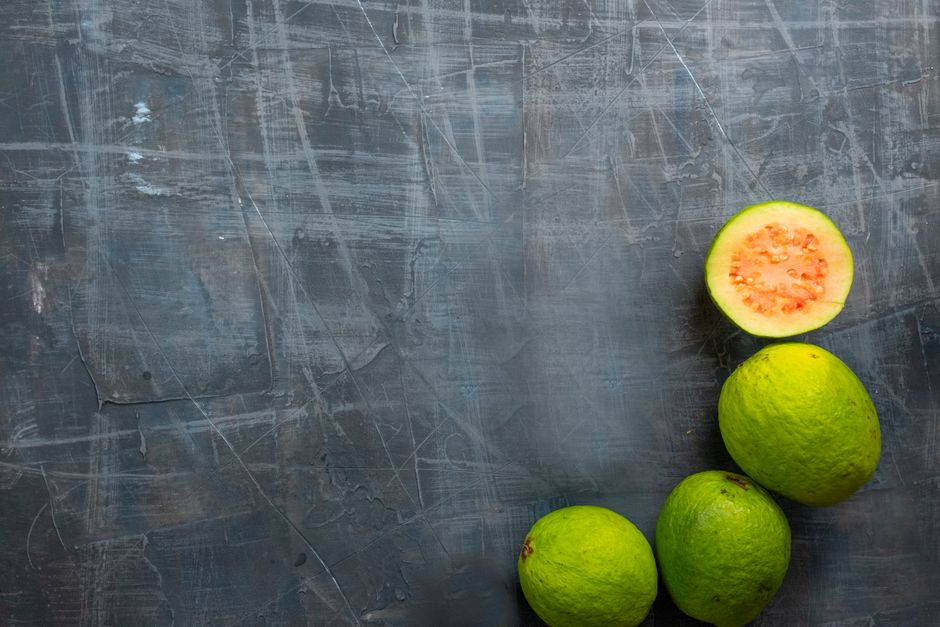
Most people eat guava like an apple, biting straight through the skin. That method works, but it is not the only way to eat this fruit for weight loss.
The best way to eat guava for weight loss is to eat the whole fruit, including the skin, in place of higher-calorie snacks. One medium guava contains roughly 37 calories and about 3 grams of fiber, which helps you feel full longer. You can eat it raw, slice it into salads, or blend it into smoothies without adding sugar.
Guava is a smart choice for weight loss because it is low in calories but high in volume. Most people find that eating a whole fruit satisfies their hunger better than drinking juice or eating dried fruit. This article covers the specific ways to prepare guava, how much to eat, and the common mistakes that undermine weight loss efforts.
Many online sources tell you guava is a “superfood” without explaining how to actually use it. This guide focuses on practical, evidence-based advice you can apply today.
Key Points at a Glance
| Point | What It Means | Why It Matters |
|---|---|---|
| Eat the whole fruit | Skin and flesh together provide the most fiber | Fiber slows digestion and controls hunger |
| Skip the juice | Juice removes fiber and concentrates sugar | Liquid calories do not satisfy hunger the same way |
| Portion control | 1–2 medium guavas per serving is reasonable | Even low-calorie foods add up when eaten in excess |
| Pair with protein | Add nuts or yogurt to balance the meal | Protein increases fullness more than fruit alone |
How to Eat Guava for Weight Loss Without Sabotaging Your Progress
The simplest method is to wash the guava, slice it into wedges, and eat it skin-on. The skin contains additional fiber and antioxidants that you lose if you peel it. I always keep a knife and cutting board ready in the kitchen — slicing guava into wedges makes it feel more like a meal than a snack.
You can also add guava to savory dishes. Diced guava works well in chicken salad or over plain Greek yogurt. The natural sweetness reduces your need for added sugar, which is often where hidden calories creep in.
Try this: slice one medium guava over a bowl of plain Greek yogurt with a sprinkle of cinnamon. The combination of fiber and protein keeps you satisfied for hours.
How Many Calories Are in Guava and How Much Should You Eat?
One medium guava (about 100 grams) contains roughly 68 calories according to USDA data. That number varies slightly by size and variety, but guava is consistently one of the lower-calorie fruits available.
For weight loss, 1–2 whole guavas per day is a reasonable target for most women. This provides about 3–6 grams of fiber with minimal calorie impact. I personally find that eating guava in the afternoon prevents the 3 p.m. snack attack that usually leads to chips or cookies.
Does Eating Guava at Night Affect Weight Loss?
Eating guava at night is fine for weight loss. No research shows that eating fruit in the evening causes weight gain, as long as you stay within your total daily calorie needs.
Some people find that eating guava before bed satisfies late-night sugar cravings without the calorie load of dessert. The fiber also helps stabilize blood sugar, which may reduce morning hunger. The timing matters less than the total amount you eat across the day.
Common Mistakes When Eating Guava for Weight Loss
The biggest mistake is drinking guava juice instead of eating the whole fruit. Juice removes the fiber and concentrates the natural sugars, making it easier to consume excess calories without feeling full.
Another mistake is pairing guava with high-calorie additions like condensed milk, sugar, or chili powder mixed with salt. These toppings can double or triple the calorie content. I learned this the hard way — a “healthy” guava snack with sweet chili seasoning had nearly as many calories as a candy bar.
Dried guava is also problematic. The drying process concentrates sugar, and many commercial versions add sugar. Check the label and avoid any product with added sweeteners.
What Does the Research Say About Guava and Weight Loss?
Research published in the journal Nutrients has examined guava’s effects on blood sugar and cholesterol, showing benefits in some studies. However, no strong clinical evidence currently supports guava as a direct weight-loss food.
The evidence is clearer on fiber. Some studies indicate that increasing fiber intake helps with weight management by promoting fullness and reducing overall calorie intake. Guava is a good source of this fiber, but it is not a magic food.
Guava fits well into a calorie-controlled diet because it replaces higher-calorie snacks. The fruit’s high water content and fiber make it filling for very few calories, which is a proven weight-loss strategy.
Frequently Asked Questions
Related Articles
Is it better to eat guava with or without the skin?
Eat guava with the skin on for maximum fiber and nutrients. The skin is completely edible and contains additional antioxidants.
Can I eat guava seeds?
Yes, guava seeds are safe to eat and add extra fiber. Some people prefer to remove them for texture, but they are not harmful.
How many guavas can I eat per day for weight loss?
One to two medium guavas per day is a reasonable amount for most women. Eating more than that adds calories that may interfere with your deficit.
Is guava juice as healthy as whole guava?
No, guava juice removes the fiber and concentrates the sugar. Whole guava is always the better choice for weight loss.
Does guava help reduce belly fat specifically?
No food targets belly fat specifically. Guava helps with overall weight loss, which will eventually reduce belly fat if you maintain a calorie deficit.
Can I eat guava on an empty stomach?
Yes, guava is gentle on the stomach and can be eaten first thing in the morning. The fiber helps you feel full and may reduce mid-morning snacking.
Guava is a practical addition to any weight-loss plan when eaten as a whole fruit in sensible portions. Use our TDEE calculator to determine your daily calorie needs, then fit guava into that number as a snack or meal component.

The TDEECAL Team writes about nutrition, metabolism, and fat loss the way we built our calculator, with real numbers and no hype. We dig into the research so you don’t have to guess.