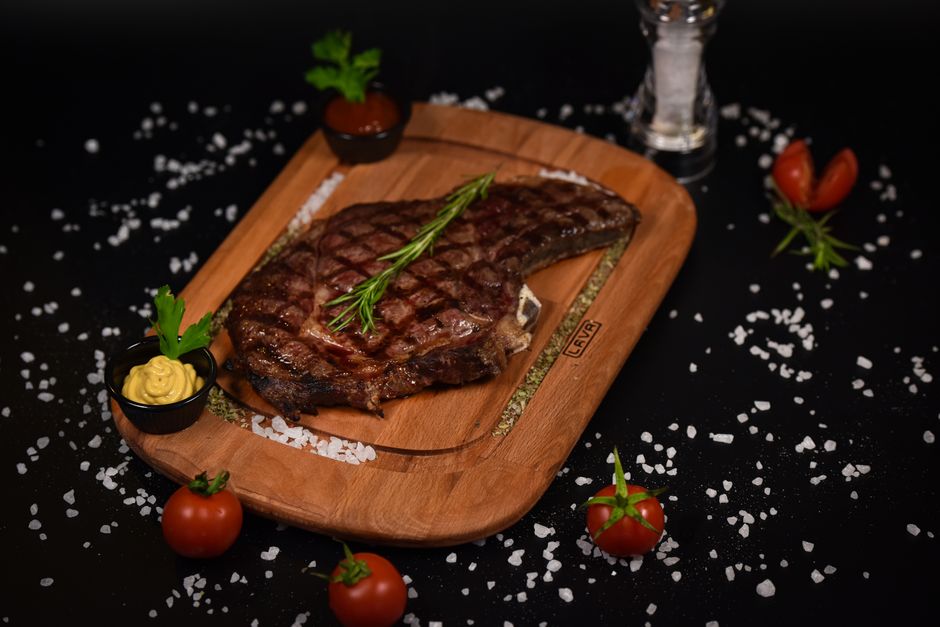
Is Ribeye Good for Weight Loss? The Honest Answer
Ribeye is one of the fattiest cuts of beef, and that makes it a complicated choice for weight loss. The short answer is that ribeye can fit into a weight loss plan, but it requires careful portion control because of its high calorie density.
Is ribeye good for weight loss? Yes, but only in moderation. A standard 3-ounce serving of ribeye contains roughly 200 to 250 calories and about 15 to 18 grams of fat, depending on how it’s trimmed and prepared. That same serving delivers about 22 grams of protein, which supports muscle maintenance during weight loss. The key is treating ribeye as an occasional protein source rather than a daily staple.
Most weight loss advice focuses on lean proteins like chicken breast or fish. But some research suggests that moderate amounts of saturated fat don’t derail weight loss efforts as long as total calories stay in check. The real issue with ribeye is that it’s easy to overeat. A typical restaurant portion can be 12 to 16 ounces, which means you’re consuming 800 to 1,000 calories before you even add sides.
This article covers what the evidence actually says about ribeye and weight loss. You’ll learn how many calories are in different preparations, how to fit it into a calorie deficit, and which cooking methods keep the numbers reasonable. No hype, no shame — just practical information you can use.
Key Points at a Glance
| Point | What It Means | Why It Matters |
|---|---|---|
| Calorie density | Ribeye has roughly 200-250 calories per 3 ounces | Portions must be smaller than lean cuts |
| Protein content | About 22 grams per 3-ounce serving | Supports muscle retention during weight loss |
| Fat profile | High in saturated fat compared to sirloin | May affect heart health if eaten daily |
| Portion control | Restaurant servings often exceed 12 ounces | Easy to consume 800+ calories in one meal |
| Preparation method | Grilling beats pan-frying in butter | Cuts 50-100 calories per serving |
How Many Calories Are Actually in Ribeye?
The exact number depends on the cut and how it’s cooked. A 3-ounce serving of broiled ribeye with the fat trimmed contains roughly 195 calories and 12 grams of fat. Leave the fat on and that number climbs to about 250 calories and 18 grams of fat.
Cooking method changes things too. Pan-frying in butter or oil adds 50 to 100 calories per serving. Grilling or broiling lets some fat render off, which lowers the final count slightly. A restaurant ribeye is almost always larger than a standard serving, so assume 450 to 700 calories for a typical 8-ounce portion.
I always trim visible fat before cooking and weigh the raw portion. It’s a small habit that keeps the calorie math honest.
Protein and Satiety: Does Ribeye Keep You Full?
Protein is the most filling macronutrient, and ribeye delivers a solid amount. The 22 grams of protein in a 3-ounce serving is comparable to sirloin, though sirloin has fewer calories and less fat.
Some studies suggest that higher-protein meals reduce hunger hormones and increase fullness. That means a smaller ribeye portion might satisfy you more than a larger serving of refined carbohydrates. But the fat content cuts both ways. Fat also promotes satiety, which is why a modest ribeye can feel more satisfying than a skinless chicken breast.
The practical takeaway is simple. If you enjoy ribeye, a 4-ounce portion can be part of a satisfying meal that keeps you on track. Just pair it with vegetables and a sensible carbohydrate source rather than loading up on sides.
Is Ribeye Good for Weight Loss Compared to Other Cuts?
Ribeye sits at the higher end of the calorie spectrum for beef. Here’s how it compares per 3-ounce cooked serving:
- Sirloin: roughly 160 calories, 22 grams protein, 7 grams fat
- Filet mignon: roughly 180 calories, 24 grams protein, 9 grams fat
- Ribeye: roughly 200-250 calories, 22 grams protein, 12-18 grams fat
- Ground beef 90% lean: roughly 180 calories, 21 grams protein, 10 grams fat
- Ground beef 70% lean: roughly 230 calories, 20 grams protein, 15 grams fat
The difference between ribeye and sirloin is about 40 to 90 calories per serving. That might not sound like much, but over a week of daily consumption, it adds up to 280 to 630 extra calories. For someone in a modest calorie deficit of 300 to 500 calories per day, that difference can stall progress.
That doesn’t mean ribeye is off-limits. It means you need to be strategic. Choose ribeye when you want it, and compensate by eating lighter elsewhere in the day. This approach works because weight loss ultimately comes down to total calories, not individual foods.
How to Fit Ribeye Into a Weight Loss Plan
Start with portion control. A serving of ribeye is 3 ounces — about the size of a deck of cards. Most people eat two to three times that amount without thinking. Weigh your portion before cooking so you know exactly what you’re consuming.
Choose your cooking method carefully. Grilling, broiling, or roasting allows fat to drip away. Pan-frying in butter or oil adds unnecessary calories. Season with herbs, spices, and a squeeze of lemon instead of heavy sauces.
Balance the rest of your plate. Fill half your plate with non-starchy vegetables, a quarter with ribeye, and a quarter with a modest carbohydrate like roasted potatoes or rice. This keeps the meal satisfying without blowing your calorie budget.
What About Saturated Fat and Health Concerns?
Ribeye is high in saturated fat. A 3-ounce serving contains roughly 5 to 7 grams, which is about a quarter to a third of the daily limit recommended for a 2,000-calorie diet. The evidence on saturated fat and heart disease has been debated, but most major health organizations still recommend limiting it.
For weight loss specifically, saturated fat isn’t inherently problematic. Calories matter most. But if you have high cholesterol or a family history of heart disease, it’s worth talking to your doctor about how often you should eat fatty cuts like ribeye.
Some studies suggest that replacing saturated fats with unsaturated fats — like olive oil, nuts, and fatty fish — reduces cardiovascular risk. That doesn’t mean you can never eat ribeye. It means ribeye should be an occasional choice rather than a weekly habit.
Frequently Asked Questions
Related Articles
Can I eat ribeye every day and still lose weight?
Technically yes, if you stay within your calorie target. But the high calorie density makes it difficult to stay in a deficit while eating ribeye daily. Leaner cuts give you more protein per calorie.
How much ribeye should I eat for weight loss?
A 3 to 4 ounce serving is a reasonable portion for weight loss. That’s about the size of a deck of cards or the palm of your hand. Anything larger pushes calories up quickly.
Is grilled ribeye healthier than pan-fried?
Yes, grilling allows fat to render off the meat, while pan-frying in butter or oil adds extra calories. Grilled ribeye can save you 50 to 100 calories per serving compared to pan-fried.
Does ribeye keep you full longer than chicken breast?
Some people find ribeye more satisfying because of its fat content, but both are high in protein. The difference is small, and chicken breast gives you more protein per calorie. Choose based on what fits your meal plan.
What is the best steak for weight loss?
Sirloin and filet mignon are the leanest steak options with the most protein per calorie. Flank steak and top round are also good choices. Ribeye can still fit occasionally if you watch portions.
Is ribeye bad for cholesterol?
Ribeye is high in saturated fat, which can raise LDL cholesterol in some people. If you have high cholesterol, limit ribeye to occasional meals and choose leaner cuts more often. Talk to your doctor about what’s right for you.
The Bottom Line on Ribeye and Weight Loss
Ribeye can be part of a weight loss plan, but it’s not the easiest tool for the job. The high calorie density means you get less food for your calorie budget compared to leaner proteins. A 3-ounce portion fits comfortably into most weight loss plans, and a 4-ounce portion works if you keep the rest of your day in check.
The evidence is clear that total calories drive weight loss. No single food makes or breaks your progress. Enjoy ribeye when you want it, measure your portion, and build the rest of your meal around vegetables and whole foods. That approach works whether you’re eating steak or chicken.
Track your intake honestly for a week and see where ribeye fits. Use the TDEE Calculator to set your calorie target, then adjust portions based on your results.

The TDEECAL Team writes about nutrition, metabolism, and fat loss the way we built our calculator, with real numbers and no hype. We dig into the research so you don’t have to guess.