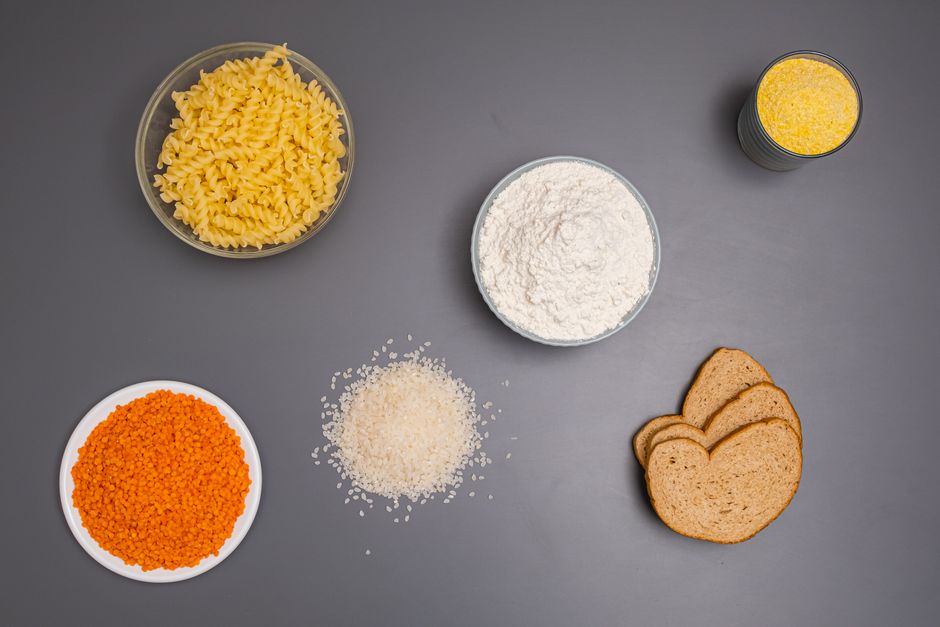
You’ve probably heard someone say carbs are the enemy, but starch is a little more complicated than that. The real answer comes down to which starches you choose, how you cook them, and how much you eat.
The short answer is no — are starches bad for weight only when you eat them in excess or choose highly processed versions. Whole-food starches like potatoes, beans, and oats actually support weight loss because they provide fiber and keep you full. The problem isn’t starch itself; it’s the refined forms like white bread and sugary cereals that spike blood sugar and leave you hungry an hour later.
Most weight loss advice treats all starches the same, which is a mistake. A baked potato and a slice of white bread affect your body very differently even though they’re both starchy foods. This article breaks down what the research actually says, which starches help, and how to include them without derailing your progress.
You’ll also learn practical serving sizes and cooking methods that make a real difference. No gimmicks, no elimination diets — just clear guidance you can use today.
Key Points at a Glance
| Point | What It Means | Why It Matters |
|---|---|---|
| Starch type matters | Whole starches digest slowly; refined ones digest fast | Slow digestion keeps blood sugar stable and hunger low |
| Fiber is the key | Fiber slows starch absorption and adds bulk | Higher fiber intake links to easier weight management |
| Portion size counts | A serving is about one fist-sized portion | Even healthy starches add calories when portions grow |
| Cooking method changes effects | Boiled and cooled starches form resistant starch | Resistant starch feeds gut bacteria and reduces calorie absorption |
| Context matters | Starches pair well with protein and vegetables | Balanced meals prevent blood sugar spikes and extend fullness |
What Does the Research Say About Starches and Weight?
Research consistently shows that whole-food starches do not cause weight gain on their own. A study published in the American Journal of Clinical Nutrition found that people who ate more whole grains and legumes had lower body weight over time compared to those who ate refined grains. The fiber and water content in these foods create fullness with fewer calories per bite.
Refined starches like white bread, pastries, and sugary cereals behave differently. They digest quickly, spike blood sugar, and trigger hunger hormones within a couple hours. Over time, that pattern leads to more snacking and higher total calorie intake.
One thing I notice in my own kitchen: a bowl of oatmeal with berries keeps me full until lunch, but a bagel leaves me hungry by mid-morning. Same carb count, completely different experience.
Are Starches Bad for Weight Loss When You Choose the Right Ones?
No — the right starches actively help weight loss. Potatoes, sweet potatoes, beans, lentils, oats, and brown rice all deliver fiber, protein, or both. These nutrients slow digestion and keep blood sugar steady, which reduces cravings and makes it easier to eat fewer calories overall.
The evidence backs this up. Some studies indicate that people who eat legumes regularly lose more weight than those who don’t. Beans and lentils are particularly powerful because they combine starch with plant protein and fiber, creating a triple effect on fullness.
What matters most is the form you choose. Steel-cut oats beat instant oatmeal. Whole potatoes beat french fries. Brown rice beats white rice. Each swap keeps the starch but removes the processing that makes it problematic.
How Much Starch Should You Eat Per Meal?
A reasonable portion is about one cup of cooked starch, which is roughly the size of your fist. That might look like one medium potato, half a cup of rice, or three-quarters of a cup of cooked oatmeal. This serving provides about 150 to 200 calories depending on the food and preparation.
Pair that portion with palm-sized protein and two fistfuls of vegetables. This plate composition keeps the meal balanced and prevents the blood sugar rollercoaster that leads to late-night cravings.
If you’re active, you may need more starch. If you’re mostly sedentary, aim for the lower end of that range. Listen to your hunger signals and adjust from there.
I always measure rice before cooking, not after. One-third cup dry rice becomes a full cup cooked — it’s easy to double your portion without realizing it.
Does Cooking Method Change How Starchy Foods Affect You?
Yes, and this is where things get interesting. When you cook potatoes, pasta, or rice and then cool them in the fridge, some of the starch converts to resistant starch. Resistant starch acts like fiber — your body doesn’t digest it, so it contributes fewer calories and feeds beneficial gut bacteria.
One study found that cooling cooked potatoes overnight reduced their blood sugar impact by about 25 percent. Reheating them afterwards keeps most of that benefit. This means yesterday’s leftover pasta salad or potato salad is actually better for weight management than the freshly cooked version.
Boiling and steaming are generally better than roasting or frying because they don’t add extra fat. Frying starches in oil roughly doubles their calorie content, which quickly undermines any weight loss efforts.
What About Resistant Starch Supplements?
Resistant starch supplements exist, but the evidence for weight loss is modest at best. Some studies show small improvements in fullness and blood sugar control, but results vary widely between individuals. No strong clinical evidence currently supports using these supplements as a weight loss tool.
Getting resistant starch from real food is a better approach. It costs less, provides additional nutrients, and comes with the fiber and water that whole foods naturally contain. Plus, the cooking and cooling method is free.
Frequently Asked Questions
Related Articles
Are starches bad for weight loss at night?
No — eating starches at night does not cause weight gain by itself. Your total daily calorie intake matters more than the timing of when you eat carbs.
Can you lose weight eating potatoes every day?
Yes, you can lose weight eating potatoes daily if they fit within your calorie goals. Boiled or baked potatoes are among the most filling foods per calorie, according to satiety research.
Is white rice worse than brown rice for weight loss?
Brown rice is generally better because it contains more fiber and digests slower. White rice isn’t terrible, but it spikes blood sugar faster and keeps you full for less time.
What are the best starches for weight loss?
Beans, lentils, oats, potatoes, and quinoa are excellent choices. They provide fiber, protein, or both, which makes them highly satisfying per calorie.
How many calories are in a serving of starch?
A one-cup serving of cooked starch typically contains 150 to 200 calories. Exact numbers vary by food and preparation method, so check labels when possible.
Starches are not your enemy. The evidence is clear that whole-food starches support weight loss while refined ones work against it. Focus on choosing unprocessed versions, watching portion sizes, and using cooking methods that preserve fiber and create resistant starch.
If you want to know exactly how many calories you need for weight loss, use our TDEE Calculator to get your personalized daily target. Then build your meals around whole starches, protein, and vegetables — and watch the scale move in the right direction.

The TDEECAL Team writes about nutrition, metabolism, and fat loss the way we built our calculator, with real numbers and no hype. We dig into the research so you don’t have to guess.