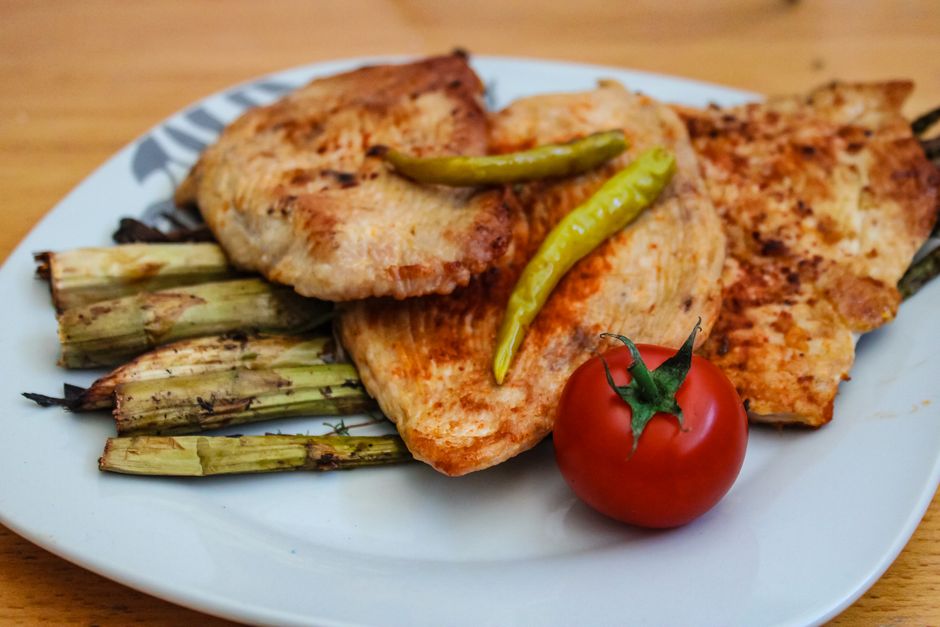
You might have heard that chicken breast is the only choice for weight loss. But that advice is more about habit than hard evidence. The truth about thighs is more useful than most people realize.
Yes, are boneless skinless chicken thighs good for weight loss — they are an excellent choice because they provide high protein and healthy fats while still fitting into a calorie-controlled diet. A 3.5-ounce serving of cooked boneless, skinless chicken thighs contains roughly 170 to 200 calories and about 24 grams of protein. That protein keeps you full longer and helps preserve muscle while you lose fat.
Most weight loss advice treats chicken breast as the only option. That leaves many people bored with their meals and more likely to quit their diet altogether. This article covers what the research actually says about thighs, how they compare to breast meat, and how to cook them without wrecking your calorie budget.
Key Points at a Glance
| Point | What It Means | Why It Matters |
|---|---|---|
| Calorie difference is small | Thighs have about 30-50 more calories per serving than breast | This difference rarely makes or breaks a diet |
| Protein content is nearly equal | Thighs provide about 24g protein per 3.5oz serving | Protein keeps you full and supports muscle retention |
| Fat is mostly unsaturated | Thighs contain more healthy monounsaturated fats | These fats support hormone function and satiety |
| Skin is the real problem | Skin doubles the fat and adds about 50 calories per serving | Choosing skinless is the key to keeping thighs lean |
| Cooking method matters most | Frying adds far more calories than baking or grilling | How you cook outweighs the cut you choose |
Are Boneless Skinless Chicken Thighs Good for Weight Loss Compared to Breast?
The short answer is yes. Research consistently shows that total daily calories matter more than which cut of chicken you pick. A study published in the American Journal of Clinical Nutrition found that protein source had little effect on weight loss when total calories were matched.
Breast meat has about 165 calories per 3.5 ounces while thighs have roughly 180 to 200 calories. That 30-calorie difference is smaller than a single tablespoon of salad dressing. What actually matters is whether you can stick with your meal plan long enough to see results.
The practical takeaway: If thighs keep you satisfied and prevent snacking later, they may actually help you eat less overall. That benefit outweighs the tiny calorie difference.
How Much Protein Do Boneless Skinless Chicken Thighs Provide?
Protein is the main reason chicken helps with weight loss. A 3.5-ounce serving of boneless skinless chicken thighs delivers about 24 grams of protein. That is nearly identical to breast meat, which provides around 26 grams in the same portion.
Research suggests that eating 25 to 30 grams of protein per meal helps control appetite and reduces late-night cravings. One serving of thighs gets you very close to that target on its own. Pair it with vegetables and a sensible carbohydrate portion, and you have a meal that keeps you full for hours.
I always recommend weighing your cooked portion at least once. Most people are surprised that a “serving” is smaller than they expected. That single habit does more for weight loss than switching between chicken cuts ever will.
What Is the Best Way to Cook Chicken Thighs for Weight Loss?
Your cooking method determines whether thighs help or hurt your weight loss efforts. Baking, grilling, air-frying, or roasting without added oil keeps calories around 180 to 200 per serving. Frying in oil or cooking with heavy sauces can easily double that number.
One of my favorite approaches is baking thighs at 400 degrees with just salt, pepper, garlic powder, and a light spray of olive oil. They come out juicy and browned without any breading. The natural fat in the meat keeps them moist, so you do not need heavy marinades.
A simple portion check: A serving of cooked chicken thighs is about the size of your palm, roughly 3.5 ounces. That visual guide works at home or at a restaurant.
How Many Calories Are in Boneless Skinless Chicken Thighs?
A 3.5-ounce serving of cooked boneless skinless chicken thighs contains roughly 180 to 200 calories. That figure comes from USDA data and varies slightly depending on the specific cut and cooking method. The same serving of skin-on thighs jumps to about 230 calories because the skin is nearly pure fat.
For most women aiming to lose weight, a 1,400 to 1,800 calorie daily target is common. One serving of chicken thighs fits easily into that range while leaving room for vegetables, whole grains, and healthy fats. The key is controlling portion size, not avoiding this cut entirely.
Frequently Asked Questions
Related Articles
Are boneless skinless chicken thighs good for weight loss every day?
Yes, you can eat them daily as long as your total calories stay within your target. Variety in vegetables and sides matters more than rotating protein sources.
Do chicken thighs have more fat than breast meat?
Yes, thighs contain about 8 grams of fat per serving compared to 3.5 grams in breast meat. Most of that fat is monounsaturated, which is the same type found in olive oil.
Is the extra fat in chicken thighs bad for cholesterol?
Research indicates that dietary fat has less impact on blood cholesterol than previously believed. Saturated fat from skin matters more than the unsaturated fat found in the meat itself.
Can I eat chicken thighs on a low-carb diet?
Absolutely. Chicken thighs contain zero carbohydrates, making them a strong choice for low-carb and keto meal plans.
How do I know if my portion size is correct?
Use a food scale for accuracy, especially at the start. A 3.5-ounce cooked portion is roughly the size of your palm or a deck of cards.
Should I remove the skin before or after cooking?
Removing skin before cooking reduces the fat that gets absorbed into the meat. If you prefer cooking with skin on for moisture, remove it before eating to save about 50 calories.
Use our TDEE Calculator to find your exact daily calorie target for weight loss.

The TDEECAL Team writes about nutrition, metabolism, and fat loss the way we built our calculator, with real numbers and no hype. We dig into the research so you don’t have to guess.