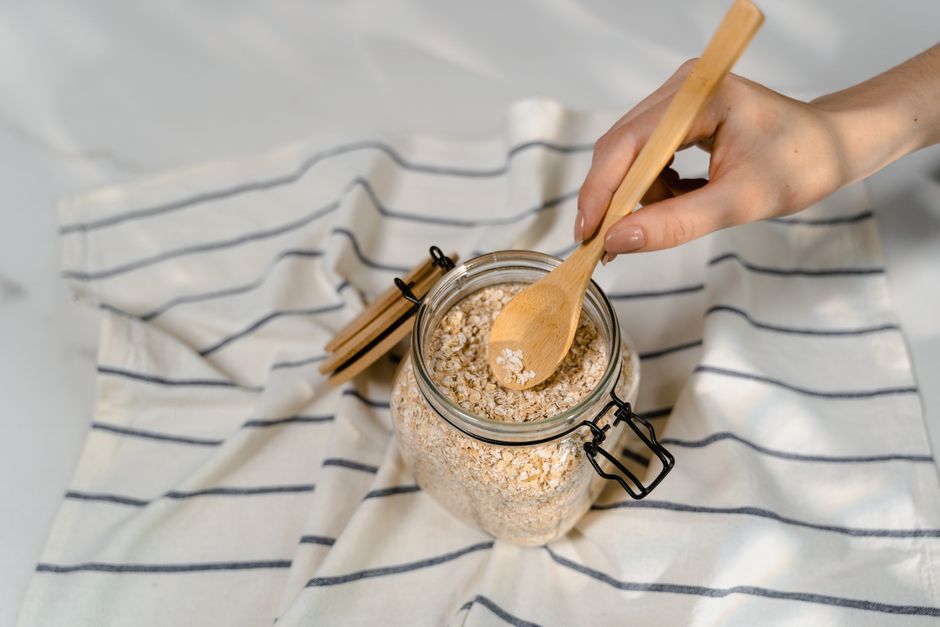
Most people sabotage their oatmeal before the oats even hit the water. The difference between a weight-loss-friendly bowl and a calorie bomb comes down to portion size, liquid choice, and what you stir in afterward.
To prepare oats for weight loss, use a half-cup of dry rolled oats cooked in water or unsweetened plant milk, then add protein and healthy fats while skipping added sugars. Stick to one serving, measure your toppings, and aim for at least 10 grams of protein and 5 grams of fiber per bowl. This combination keeps you full for hours and prevents the mid-morning cravings that derail most diets.
Oatmeal gets a reputation as a “diet food,” but the truth is more complicated. A typical restaurant or packaged version can carry 400 to 600 calories before you even pick up your spoon. The problem is rarely the oat itself — it’s everything we add to it.
This guide covers the specific preparation methods that actually support weight loss, the mistakes that quietly add calories, and the toppings that add nutrition without wrecking your daily budget. You’ll also find portion guidance you can use with any calorie-tracking app, including our TDEE Calculator.
Key Points at a Glance
| Point | What It Means | Why It Matters |
|---|---|---|
| Portion control | Half-cup dry oats equals one serving | Prevents the 400+ calorie bowls that stall progress |
| Liquid choice | Water or unsweetened plant milk | Saves 60–100 calories versus whole milk or cream |
| Protein addition | Add eggs, Greek yogurt, or protein powder | Increases satiety and reduces later snacking |
| Topping strategy | Measure nuts, seeds, and fruit | Healthy fats are still calories — portion them |
| Timing | Eat within an hour of waking or post-workout | Supports stable blood sugar and workout recovery |
What Is the Best Way to Prepare Oats for Weight Loss?
The best method combines rolled oats, water, a pinch of salt, and a protein source cooked directly into the pot. Rolled oats take about 5 to 7 minutes on the stovetop and have a lower glycemic impact than instant varieties, which means steadier blood sugar and fewer cravings later.
Cook your oats in water instead of milk to save roughly 60 to 100 calories per cup of liquid. After cooking, stir in a scoop of vanilla protein powder, a spoonful of Greek yogurt, or a beaten egg white while the oats are still hot. I always add the protein before any fruit — it makes the bowl savory enough that you don’t miss the sugar.
Cook’s note: Add a pinch of salt to the water before the oats go in. It sounds counterintuitive for a sweet breakfast, but it deepens the oat flavor and reduces the urge to add sugar afterward.
How Many Calories Are in a Weight-Loss Oatmeal Bowl?
A basic bowl made with half a cup of dry rolled oats and one cup of water contains roughly 150 to 180 calories. Add a scoop of protein powder for about 100 to 120 calories, a tablespoon of chia seeds for 60 calories, and half a cup of berries for 40 calories, and your total lands around 350 to 400 calories.
Compare that to a Starbucks or packaged oatmeal, which often exceeds 500 calories once brown sugar, dried fruit, and nuts are included. The calorie difference is real — about 100 to 150 calories per bowl, which adds up to over a pound per month if you eat oatmeal daily. Track your bowl in any calorie app to see exactly where your version lands.
Which Oat Type Is Best for Weight Loss?
Rolled oats are the best choice for most people because they balance cooking time, texture, and blood sugar response. Steel-cut oats are also excellent — they take longer to cook but have the lowest glycemic index of all oat types. Instant oats are the least ideal because they’re more processed and digest faster, which can spike blood sugar.
All three types have similar calorie counts per serving, so the difference is about how your body processes them. If you’re prone to mid-morning crashes, choose steel-cut or rolled over instant. If you only have 3 minutes, instant oats still work — just skip the flavored packets and add your own protein and fruit.
What Toppings Actually Support Weight Loss?
The best toppings add protein, fiber, or healthy fats without added sugar. Reliable options include berries, sliced banana (measured), chia seeds, ground flaxseed, chopped walnuts, almond butter, plain Greek yogurt, and cinnamon. Each of these adds nutritional value rather than empty calories.
Skip the brown sugar, honey, maple syrup, dried fruit, and flavored creamers — those are the toppings that quietly turn a healthy breakfast into a dessert. A single tablespoon of honey adds 60 calories of pure sugar, and dried fruit is often three to four times more calorie-dense than fresh. If you need sweetness, mash half a banana into the oats while they cook or use a sprinkle of cinnamon and a few drops of vanilla extract.
Pro tip: Pre-portion your toppings on the weekend. Fill small containers with a tablespoon of chia seeds, a quarter-cup of berries, or a single serving of nut butter. When you’re rushing in the morning, you grab the container and don’t have to think about measuring.
How to Prepare Oats for Weight Loss Without Getting Bored
Variety is the only way to stick with oatmeal long enough to see results. Rotate between three base preparations: savory oats with an egg and spinach, classic sweet oats with berries and cinnamon, and overnight oats made with Greek yogurt and almond milk. Each takes less than 10 minutes of active time.
Overnight oats are the easiest for busy mornings — mix half a cup of rolled oats with half a cup of unsweetened almond milk and half a cup of Greek yogurt, then refrigerate overnight. The yogurt adds protein and creaminess without any added sugar. I make two jars on Sunday night and have breakfast ready for Monday and Tuesday without touching a stove.
Savory oats are the most overlooked option and the one that keeps people committed long-term. Cook your oats in water with a pinch of salt, then top with a fried egg, a handful of spinach, and a dash of hot sauce. This version has more protein than sweet versions and tastes nothing like traditional oatmeal — it’s a completely different meal that happens to use the same grain.
Frequently Asked Questions
Related Articles
Is oatmeal good for weight loss every day?
Yes, daily oatmeal supports weight loss when portions are controlled and toppings are measured. The fiber and protein keep you full, which reduces overall calorie intake throughout the day.
Should I eat oats before or after a workout?
Eat oats about 30 to 60 minutes before a workout for steady energy, or within an hour after for recovery. The protein you add matters more than the exact timing.
Can I eat oatmeal at night for weight loss?
Yes, oatmeal at night is fine and can help with sleep if you avoid adding sugar. The complex carbohydrates digest slowly and keep blood sugar stable overnight.
Is instant oatmeal bad for weight loss?
Plain instant oatmeal is fine, but flavored packets usually contain added sugar and should be avoided. If you use instant oats, add your own protein and fruit to control the calorie count.
How much oatmeal should I eat to lose weight?
Start with half a cup of dry oats, which equals about 150 to 180 calories once cooked. Adjust the portion based on your total daily calorie target from the TDEE Calculator.
What can I add to oatmeal instead of sugar?
Use mashed banana, cinnamon, vanilla extract, or a few drops of stevia for sweetness without calories. Berries add natural sweetness plus fiber, making them the best fruit choice.
Knowing your daily calorie target makes oatmeal portioning much easier. Use our TDEE Calculator to find your maintenance calories, then subtract 300 to 500 for weight loss, and build your oatmeal bowl to fit that number.

The TDEECAL Team writes about nutrition, metabolism, and fat loss the way we built our calculator, with real numbers and no hype. We dig into the research so you don’t have to guess.