Is Thepla Healthy for Weight Loss?
Thepla is a flatbread from Gujarat, India, typically made with whole wheat flour, fenugreek leaves, and spices. The question of is thepla healthy for weight loss depends entirely on how it’s made and how much you eat. A single thepla can range from roughly 100 to 180 calories, making it a reasonable option when prepared with minimal oil and paired with protein or vegetables.
Most people assume all flatbreads are off-limits during weight loss. That’s not entirely accurate. Thepla contains fiber from whole wheat and fenugreek leaves, which helps with fullness. But the oil used in cooking and the common habit of eating several at once can quickly turn a moderate meal into a calorie surplus.
This article breaks down the actual nutrition of thepla, how portion size changes the math, and what to pair it with if weight loss is your goal. You’ll also get a clear answer on whether thepla fits into a calorie deficit, plus practical tips for making it lighter at home.
Key Points at a Glance
| Point | What It Means | Why It Matters |
|---|---|---|
| Calorie content | One thepla has roughly 100–180 calories | Portion control decides whether it helps or hurts weight loss |
| Fiber from fenugreek | Adds bulk and slows digestion | Helps you feel full longer after eating |
| Oil during cooking | Can add 30–60 calories per thepla | Using a non-stick pan reduces this significantly |
| Pairing matters | Best eaten with protein or vegetables | Prevents blood sugar spikes and keeps meals balanced |
What Is Thepla and How Is It Made?
Thepla is a soft, spiced flatbread common in Gujarati households. The base is whole wheat flour, known as atta, mixed with fresh fenugreek leaves, turmeric, red chili powder, and sometimes yogurt or milk. The dough is rolled flat and cooked on a hot griddle with a small amount of oil or ghee.
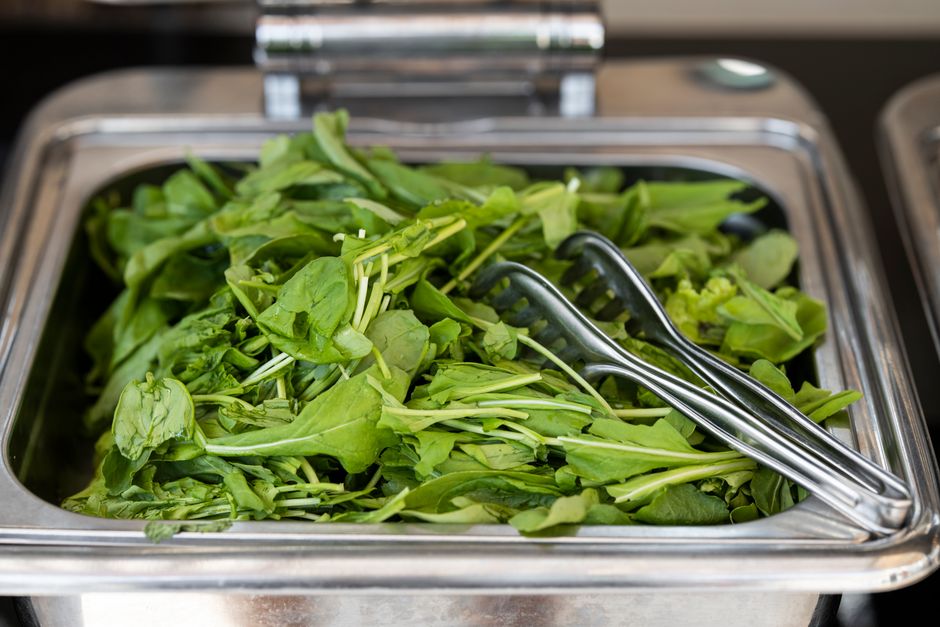
The fenugreek leaves, called methi, are the star ingredient. They bring a slightly bitter, earthy taste and contribute fiber, iron, and antioxidants. Some versions add garlic, sesame seeds, or grated vegetables like carrots and zucchini to boost nutrition further.
Traditional preparations use more oil than necessary. Street food versions and restaurant theplas often brush each side generously with ghee or butter, which can double the calorie count. Homemade versions give you full control over the fat content.
Is Thepla Healthy for Weight Loss Compared to Other Breads?
Compared to white bread or refined flour rotis, thepla is generally a better choice. The whole wheat base provides more fiber, and the fenugreek leaves add volume and nutrients that plain bread lacks. A typical thepla also has a lower glycemic impact than white bread, meaning it raises blood sugar more slowly.
But thepla is not a low-calorie food by default. One medium thepla made with a teaspoon of oil contains about 150 calories. Three of them with a side of chutney can easily reach 500–600 calories — the same as a fast-food meal. The difference is that thepla offers more fiber and micronutrients for those calories.
Research consistently shows that fiber-rich foods support weight management by increasing satiety. Some studies suggest that meals with higher fiber content lead to reduced calorie intake at the next meal. Thepla’s fiber content works in your favor, but only when portions stay reasonable.
How Many Theplas Can You Eat While Losing Weight?
There is no fixed number that works for everyone. Your calorie target depends on your age, height, weight, and activity level. A typical weight loss plan for women ranges from 1,400 to 1,800 calories per day, which means one to two theplas can fit comfortably into most meals.
Start with two theplas as your carbohydrate portion for a meal. That provides roughly 300 calories from the flatbreads themselves. Add a generous serving of protein — like dal, curd, or grilled chicken — and a large portion of vegetables. This combination keeps the meal balanced and satisfying.
If you’re aiming for faster weight loss, reduce to one thepla and increase the vegetables and protein. The fiber from the thepla plus the protein and vegetables will keep you full despite the smaller portion. Pay attention to hunger levels about two hours after eating — that feedback tells you whether the portion was right for your body.
How to Make Thepla Lighter for Weight Loss
The cooking method matters more than the dough recipe. If you cook thepla on a non-stick pan with just a spray of oil, you save 40–60 calories per piece compared to traditional cooking. You can also skip the oil entirely and cook on a well-seasoned cast iron pan.
The dough itself can be lightened without losing flavor. Replace half the whole wheat flour with besan, or chickpea flour, which adds protein. Add grated bottle gourd or zucchini to increase volume and moisture without extra calories. These vegetables also boost the fiber content further.
Yogurt in the dough adds protein and makes the thepla softer with less oil. Using low-fat yogurt instead of full-fat versions trims a few calories without changing the texture much. Some people add a little ajwain, or carom seeds, which may aid digestion, though strong clinical evidence for weight loss effects is limited.
What to Eat With Thepla for Weight Loss
Thepla alone is a carbohydrate-heavy meal. Pairing it with protein and vegetables changes the nutritional profile completely. A bowl of dal, a serving of curd, or a side of grilled vegetables turns the meal into a balanced plate that supports muscle maintenance and keeps blood sugar stable.
Avoid high-calorie accompaniments like sweet chutneys, pickles in oil, or fried snacks. A single tablespoon of mango pickle can add 50–80 calories. Instead, use fresh coriander chutney made with minimal oil, or simply eat the thepla with curd and a squeeze of lemon.
Eating thepla at lunch rather than dinner may also help some people. A lighter evening meal supports better sleep and digestion for many, though individual preferences matter. The most important factor is total daily calories, not the specific time you eat thepla.
Who Should Be Careful With Thepla?
People with diabetes need to watch portions carefully. Even whole wheat thepla raises blood sugar, and the effect varies by individual. Testing blood sugar two hours after a meal can tell you how your body responds to a specific portion of thepla.
Anyone on a very low-carb diet for medical reasons should limit thepla. It is not a ketogenic food, and eating it while aiming for under 50 grams of carbs daily will not work. For general health and sustainable weight loss, thepla fits fine into most balanced eating patterns.
If you have gluten sensitivity or celiac disease, traditional thepla is not safe because it contains wheat. Gluten-free versions using millet or chickpea flour exist, but they cook differently and have a different texture. No clinical guideline specifically addresses thepla for weight loss, so individual adjustment is key.
Related Articles
Frequently Asked Questions
Can I eat thepla every day while trying to lose weight?
Yes, you can eat thepla daily if it fits within your calorie target and you pair it with protein and vegetables. The key is portion control and limiting added oil during cooking.
How many calories are in one thepla?
A homemade thepla made with one teaspoon of oil contains roughly 120 to 150 calories. Restaurant versions or those brushed with ghee can reach 180 to 200 calories each.
Is thepla healthier than roti for weight loss?
Thepla is slightly more filling than plain roti because of the fenugreek leaves and spices, but the calorie difference is small. The cooking oil used in thepla is what adds extra calories compared to plain roti.
Can thepla be eaten at night for weight loss?
Eating thepla at night is fine as long as it fits your total daily calories. A lighter dinner with one thepla and protein is a reasonable choice for most people.
Does thepla cause weight gain?
No single food causes weight gain — only eating more calories than you burn does. Eating several oil-heavy theplas regularly can contribute to weight gain, but moderate portions fit into most weight loss plans.
What is the best way to cook thepla for weight loss?
Cook thepla on a non-stick pan with a light oil spray or no oil at all. This saves 40 to 60 calories per thepla compared to traditional cooking methods.
Use our free TDEE calculator to find your personal calorie target for weight loss.

The TDEECAL Team writes about nutrition, metabolism, and fat loss the way we built our calculator, with real numbers and no hype. We dig into the research so you don’t have to guess.