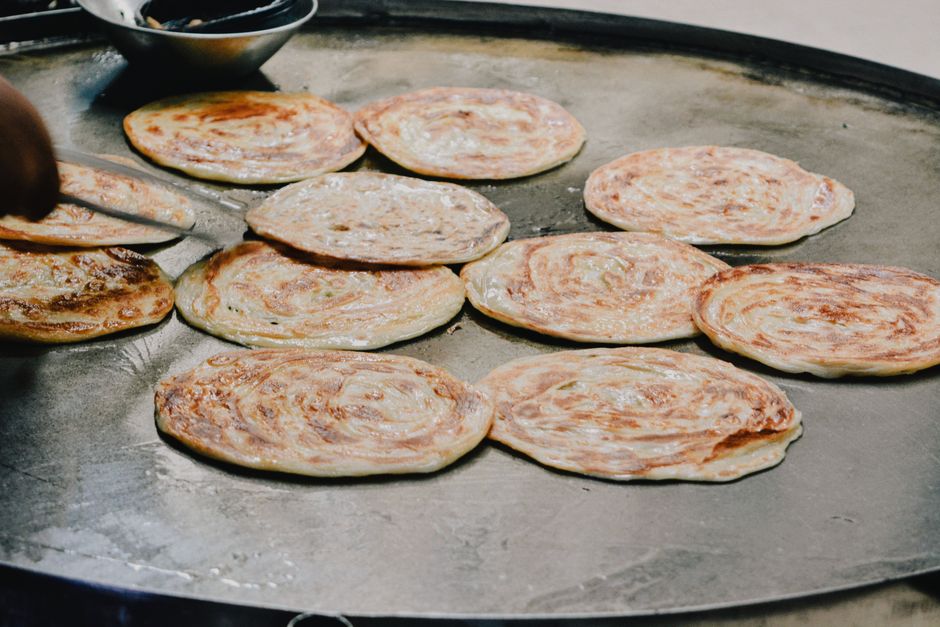
Most people assume all parathas are off-limits during weight loss, but that belief misses an important detail about how this flatbread is actually made.
The best paratha for weight loss is one made with whole wheat flour, minimal oil, and stuffed with high-fiber vegetables like spinach, radish, or grated bottle gourd. The key is not avoiding parathas entirely but choosing versions that keep calories moderate while providing enough fiber and protein to keep you full. A plain whole wheat paratha cooked with minimal oil contains roughly 150 to 180 calories, depending on size and preparation.
Parathas are a staple in many Indian households, and telling people to give them up entirely rarely works long-term. The real question is how to make them fit into a calorie-controlled diet without feeling deprived. This article breaks down which paratha is good for weight loss, what to watch for in preparation, and how to make practical swaps that actually matter.
You will not find a single “magic” paratha here, because no such thing exists. What you will find is a clear framework for choosing and preparing parathas that support your goals while still tasting like the food you grew up eating.
Key Points at a Glance
| Point | What It Means | Why It Matters |
|---|---|---|
| Flour choice matters most | Whole wheat flour beats refined white flour | More fiber slows digestion and keeps blood sugar steadier |
| Oil controls calories | Each teaspoon of oil adds roughly 40 calories | Ghee or butter brushed on top can double the calorie count |
| Vegetable stuffings add volume | Spinach, radish, and bottle gourd increase bulk without many calories | You feel fuller on fewer calories |
| Portion size is the hidden factor | One medium paratha is a serving, not three | Even healthy parathas cause weight gain if portions creep up |
| Pairing affects satiety | Add a protein source like curd or dal | Protein and fiber together keep hunger at bay longer |
What Makes a Paratha Weight-Loss Friendly?
The flour you choose determines most of the nutritional profile. Whole wheat flour retains the bran and germ, which provide fiber, B vitamins, and minerals that refined flour lacks. Research consistently shows that higher fiber intake is associated with better weight management and improved metabolic health.
Oil is the second major factor. A paratha cooked on a dry tawa with just a few drops of oil differs dramatically from one brushed generously with ghee on both sides. The difference is often 100 to 150 calories per paratha, which adds up quickly if you eat them regularly.
Which Paratha is Good for Weight Loss: The Best Options
Vegetable-stuffed parathas are the strongest choice for weight loss because they add volume and nutrients without many calories. Palak paratha, mooli paratha, and lauki paratha all provide extra fiber and water content that plain parathas lack. These stuffed versions keep you satisfied longer while delivering more micronutrients per calorie.
Plain whole wheat paratha made with minimal oil is the next best option. It is simple, reliable, and easy to track. If you are counting calories, this version is the easiest to estimate accurately because it contains fewer variable ingredients than stuffed varieties.
What you should limit are parathas made with refined flour, those fried in deep oil, and versions stuffed with potato or paneer. Aloo paratha and paneer paratha are calorie-dense because the fillings themselves are high in carbohydrates or fat. They are not forbidden, but they require much smaller portions to fit into a weight loss plan.
How Many Calories Are in Different Paratha Varieties?
Calorie counts vary widely depending on size, flour type, and oil use. A small plain whole wheat paratha made with one teaspoon of oil typically contains 150 to 180 calories. A larger restaurant-style paratha brushed with ghee can easily reach 300 calories or more.
Stuffed vegetable parathas fall in a similar range to plain ones when made with minimal oil. The vegetable filling adds negligible calories while increasing volume and fiber. Aloo paratha, by contrast, often reaches 250 to 350 calories because both the dough and the potato filling absorb more oil during cooking.
If you are tracking calories, weigh your paratha dough and measure your oil at least once. Most people underestimate oil usage by a significant margin, and that single error can undermine an otherwise sound diet plan.
What Should You Eat With Paratha for Weight Loss?
The accompaniments you choose can make or break the meal. A paratha eaten with plain curd, a bowl of dal, or a side of vegetables provides protein and fiber that slow digestion and extend fullness. These pairings turn a simple carbohydrate into a more balanced meal.
What you want to avoid are sugary or high-fat sides. Pickles, butter, and sweet chutneys add calories without adding much nutritional value. A small amount of pickle for flavor is fine, but it should not become a major calorie source.
How Often Can You Eat Paratha While Losing Weight?
Frequency depends entirely on your total calorie budget and how the paratha fits into it. A single paratha at one meal per day is reasonable for most women aiming for weight loss, provided the rest of the day’s food is balanced. The problem arises when parathas appear at multiple meals or in large portions.
Some people find that eating parathas daily makes portion control harder because it triggers overeating. If you notice this pattern, limiting parathas to a few times per week may be more sustainable. The evidence is clear that consistency matters more than perfection, so choose a frequency you can maintain long-term.
No clinical guideline specifies a maximum paratha intake because this is a cultural food rather than a medical intervention. The practical answer is to treat parathas like any other calorie source and fit them into your daily energy needs. You can calculate your personal calorie target using our TDEE calculator to see how parathas fit into your specific numbers.
Practical Swaps That Reduce Paratha Calories
Small preparation changes add up over time. Using whole wheat flour instead of refined flour adds fiber without changing the taste much. Cooking on a non-stick tawa with a spray of oil instead of a generous pour reduces calories significantly.
Stuffing parathas with vegetables like grated carrot, chopped spinach, or bottle gourd increases volume and nutrients. These fillings also add moisture, which means you need less oil to achieve a good texture. Adding spices like ajwain or kalonji improves digestion and flavor without adding calories.
Making smaller parathas is another effective strategy. A thinner, smaller paratha satisfies the craving while naturally reducing calories. You can always have two small ones instead of one large one and end up with fewer total calories.
Related Articles
Frequently Asked Questions
Is whole wheat paratha good for weight loss?
Yes, whole wheat paratha is a better choice than refined flour versions because it provides more fiber and nutrients. The key is controlling oil and portion size.
Can I eat paratha daily while trying to lose weight?
You can eat paratha daily if it fits within your calorie target and you control portions. Many people find that one small paratha per day works well when paired with protein and vegetables.
Is aloo paratha bad for weight loss?
Aloo paratha is more calorie-dense than vegetable-stuffed versions because potato absorbs more oil. It is not forbidden, but you need a smaller portion to stay within your calorie budget.
How many calories are in a plain paratha?
A small plain whole wheat paratha made with one teaspoon of oil contains roughly 150 to 180 calories. Larger parathas or those brushed with ghee can reach 300 calories or more.
What is the best time to eat paratha for weight loss?
No specific time is proven better than another for eating parathas. What matters more is that the meal fits your total daily calorie intake and includes protein and vegetables.
Is ghee on paratha okay during weight loss?
Ghee adds about 40 calories per teaspoon, so it is acceptable in small amounts. The problem is that most people apply more ghee than they estimate, which adds calories quickly.

The TDEECAL Team writes about nutrition, metabolism, and fat loss the way we built our calculator, with real numbers and no hype. We dig into the research so you don’t have to guess.