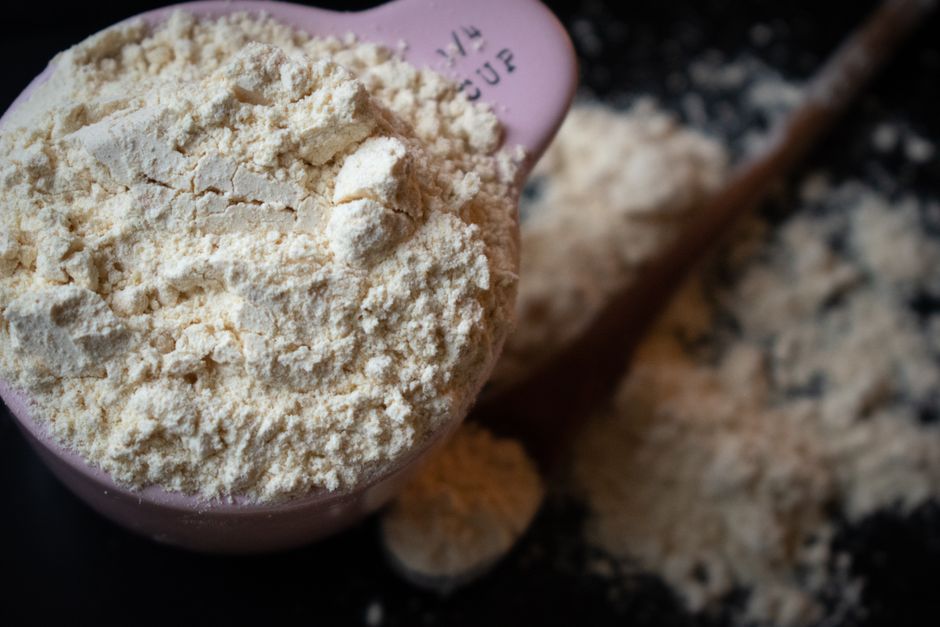
Is Soy Flour Good for Weight Loss?
Soy flour often gets overlooked in the weight loss conversation, but that’s a mistake. It brings a unique set of nutrients to the table that many other flours simply don’t have.
So, is soy flour good for weight loss? Yes, soy flour can be a helpful addition to a weight loss diet because it is significantly higher in protein and fiber than white flour, which helps you feel full longer and can help stabilize blood sugar levels. Its higher protein content also means your body burns slightly more calories digesting it compared to refined carbohydrates.
Most people trying to lose weight focus only on calories, but the *type* of calories matters for hunger and energy. This article breaks down the specific benefits of soy flour, how it compares to other flours, and, importantly, the downsides you need to know about before you start baking with it. We will also answer the most common questions about incorporating this high-protein pantry staple.
Key Points at a Glance
| Point | What It Means | Why It Matters |
|---|---|---|
| Protein Content | About 38 grams of protein per 100 grams, which is much higher than most other flours. | Protein is the most filling macronutrient, helping you feel satisfied with smaller portions. |
| Fiber Content | Provides about 18 grams of fiber per 100 grams. | Fiber slows digestion, keeping you full and reducing the urge to snack between meals. |
| Carbohydrate Impact | Lower in net carbohydrates than wheat flour. | It has a less dramatic effect on blood sugar, which can help control cravings. |
| Calorie Density | Similar calorie count to white flour, around 350-400 calories per 100 grams. | Even with its benefits, portion control is still essential for weight loss. |
Why Soy Flour Helps You Feel Fuller for Longer
The primary reason soy flour is good for weight management comes down to its protein and fiber. These two nutrients are the stars when it comes to satiety, the feeling of being full and satisfied after eating.
Protein takes more energy for your body to break down than carbohydrates, a process called the thermic effect of food. Fiber adds bulk to your meal without being digested, which slows down how quickly the food leaves your stomach. Together, they send strong signals to your brain that you’ve had enough to eat.
In the kitchen, this means a simple swap can have a real impact. I often replace a quarter of the all-purpose flour in my pancake recipe with soy flour. It makes them noticeably more filling, so I’m not hungry an hour later, which is when the temptation to reach for a snack hits.
Some research suggests that including soy protein in your diet can help preserve lean muscle mass during weight loss. This is important because muscle tissue burns more calories at rest than fat tissue. Keeping your muscle means your metabolism stays higher, making it easier to maintain your weight loss over time.
How Soy Flour Affects Blood Sugar
Stable blood sugar is your secret weapon against cravings. When your blood sugar spikes and then crashes, you often feel hungry, shaky, and tired, which leads to overeating.
Because soy flour is high in protein and fiber, it slows down the digestion of the carbohydrates it contains. This results in a slower, more gradual release of sugar into your bloodstream compared to white flour. You avoid that rapid spike and the subsequent crash that triggers hunger.
This is particularly helpful for people who are mindful of their carb intake or who have insulin resistance. Using soy flour in recipes for baked goods, like muffins or bread, can make them more blood-sugar-friendly. The result is steady energy and fewer intense cravings.
My personal tip is to use soy flour when making a roux for soups or gravies. It thickens well and adds a subtle nutty flavor, while also adding a protein and fiber boost to the meal that you wouldn’t get from cornstarch or white flour.
How to Use Soy Flour in Your Cooking
Switching entirely to soy flour can be a bit tricky because it lacks gluten, the protein that gives wheat bread its chewy structure. It also has a distinct, slightly nutty and beany flavor that not everyone loves right away.
The most successful approach is to start by replacing a portion of the regular flour in your recipes. Begin with a 25% substitution in things like pancakes, muffins, or quick breads. This gives you a protein boost without drastically changing the texture or taste.
Because soy flour absorbs more liquid than wheat flour, you may need to add a little extra water or milk to your batter. You will also find that baked goods made with soy flour brown faster, so you may need to lower your oven temperature by about 25 degrees Fahrenheit.
Potential Downsides and Considerations
No food is perfect, and soy flour has a few things to keep in mind. First, it is not suitable for anyone with a soy allergy. If you have a thyroid condition, you should also be aware that soy contains compounds called goitrogens, which can interfere with thyroid function, especially if your iodine intake is low.
The flavor is another consideration. It is not a neutral-tasting flour. In some recipes, especially those with delicate flavors, the beany taste can come through. This is why starting with a small substitution is often the best path.
Finally, even though it is healthier, soy flour is still calorie-dense. Eating large quantities of anything will hinder weight loss. The key is to use it as a *replacement* for other flours, not as an addition to your diet.
Frequently Asked Questions
Related Articles
Can I eat soy flour every day?
Yes, you can eat soy flour daily as part of a balanced diet, provided you do not have a soy allergy. For most people, moderate daily consumption is safe and can be a good source of plant-based protein.
Is soy flour better than almond flour for weight loss?
Both are good options, but they differ. Soy flour is higher in protein and lower in fat than almond flour, while almond flour is lower in carbohydrates and has a sweeter, nuttier taste.
Does soy flour cause weight gain?
No, soy flour does not inherently cause weight gain. Like any food, it will only contribute to weight gain if you eat it in excess of your total daily calorie needs.
Can I use soy flour in keto baking?
Soy flour is not ideal for a strict keto diet because it is higher in carbohydrates than alternatives like almond or coconut flour. A small amount might fit your macros, but it is not a primary keto baking flour.
Does soy flour have a strong taste?
Yes, soy flour has a distinct, slightly nutty and beany flavor. This taste is more noticeable in recipes where it is used in large quantities or where other flavors are mild.
For a more personalized approach to your weight loss journey, you can use our TDEE Calculator to find your specific daily calorie needs. This is the most accurate way to build a plan around your own body and activity level, ensuring you are eating the right amount to reach your goals.

The TDEECAL Team writes about nutrition, metabolism, and fat loss the way we built our calculator, with real numbers and no hype. We dig into the research so you don’t have to guess.