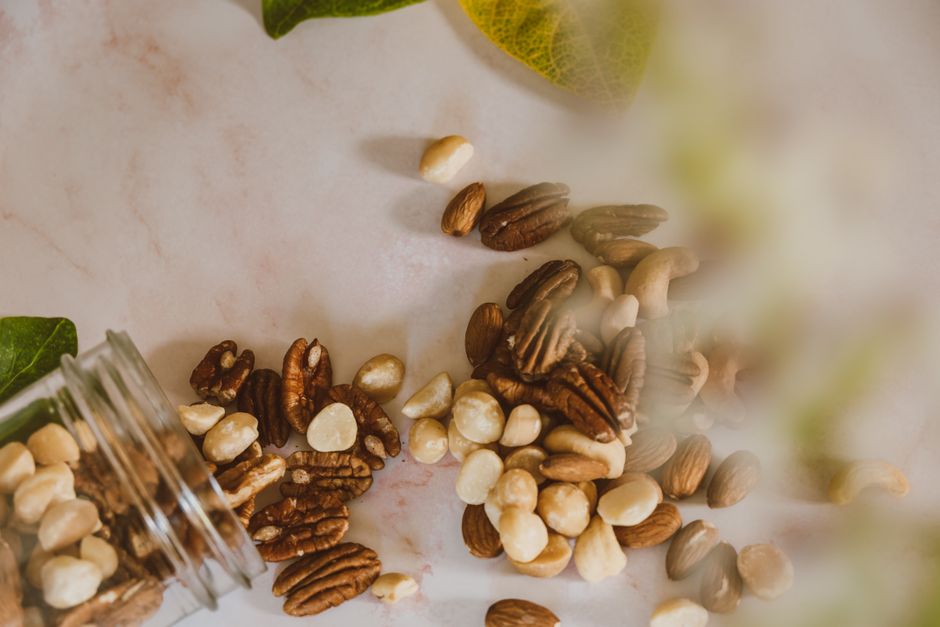
Are Pecans Fattening for Weight Loss?
Nuts usually get a bad reputation in diet culture, but pecans might be the exception you need. The direct answer is no—pecans are not fattening for weight loss when eaten in sensible portions, and research consistently shows that nut eaters tend to have healthier body weights.
Are pecans fattening for weight? The evidence says no, despite their high calorie count. A one-ounce serving of pecans (about 19 halves) contains roughly 196 calories and about 20 grams of fat. But that fat is mostly monounsaturated—the same heart-healthy type found in olive oil—and studies suggest the body doesn’t absorb all of those calories anyway.
Most people avoid nuts while dieting because they fear the calorie density. That fear is understandable, but it ignores how satisfying pecans actually are. Their combination of protein, fiber, and fat keeps you full for hours, which often leads to eating less overall during the day.
Key Points at a Glance
| Point | What It Means | Why It Matters |
|---|---|---|
| Calorie density | Pecans have about 196 calories per ounce | Portion control matters more than avoiding them entirely |
| Fat profile | Mostly heart-healthy monounsaturated fat | Supports satiety and may reduce cravings |
| Protein and fiber | About 3 grams protein and 3 grams fiber per ounce | Keeps you full between meals |
| Calorie absorption | Body may not absorb all calories from nuts | Actual impact may be lower than labels suggest |
How Many Calories Are in Pecans?
A standard serving of pecans is one ounce, which equals about 19 halves. That serving delivers roughly 196 calories, 20 grams of fat, 3 grams of protein, and 3 grams of fiber according to USDA data. The fat content scares many dieters, but context matters here.
Compare that ounce of pecans to a typical snack like a granola bar or a bag of chips. The pecan serving often satisfies hunger more effectively for the same or fewer calories. I always weigh my portions at home because it is surprisingly easy to eat two or three servings without noticing.
Do Pecans Help With Weight Loss?
Some studies suggest that regular nut consumption is linked to lower body weight over time, not higher. The mechanisms are not fully understood, but researchers point to increased satiety and the body’s incomplete absorption of nut fat as likely explanations.
One reason pecans may help is their effect on hunger hormones. The protein, fiber, and fat combination slows digestion and keeps blood sugar steady. That means fewer cravings and less reaching for processed snacks a few hours later.
I notice this myself when I add pecans to my morning oatmeal. I stay full until lunch without the mid-morning hunger that usually sends me toward the vending machine.
Are Pecans Fattening for Weight Loss Compared to Other Nuts?
Pecans are not more fattening than other nuts. Almonds, walnuts, and cashews all have similar calorie counts per ounce, ranging from about 160 to 200 calories. The differences between nuts are minor compared to the bigger picture of your overall diet.
What matters most is portion size and how you incorporate them. Adding a handful of pecans to your daily meals while keeping total calories in check supports weight loss. Adding them on top of your existing diet without adjusting anything else will not.
Some research suggests that eating nuts with meals may reduce the glycemic response to carbohydrates. That means pairing pecans with fruit or whole grains might blunt blood sugar spikes, which helps with appetite control.
How Many Pecans Should You Eat Per Day?
A reasonable daily portion is one ounce, or about 19 halves. That gives you the nutritional benefits without derailing your calorie goals. If you are actively trying to lose weight, stick to that single serving and count the calories in your tracking app.
No established clinical guideline specifically recommends a pecan portion for weight loss. However, the USDA dietary guidelines suggest about 5 ounces of nuts per week as part of a healthy eating pattern. That works out to roughly one small handful most days.
Frequently Asked Questions
Related Articles
Can eating pecans every day cause weight gain?
Eating pecans every day will only cause weight gain if you exceed your total calorie needs. A one-ounce portion fits easily into most weight loss meal plans without issue.
Are roasted pecans as healthy as raw pecans?
Dry-roasted pecans are nutritionally similar to raw ones, but oil-roasted varieties add extra calories. Check the label and choose dry-roasted or raw for the best option.
Do pecans make you feel full?
Yes, pecans are highly satiating due to their protein, fiber, and fat content. Many people find that a small handful curbs hunger for hours.
What is the best time to eat pecans for weight loss?
There is no single best time, but eating them as a snack between meals helps prevent overeating later. Adding them to breakfast also supports steady energy through the morning.
Are pecans fattening for weight loss if you eat them at night?
No, nighttime eating does not make pecans more fattening than eating them at other times. Total daily calories matter more than the clock.
Can you eat pecans on a low-carb diet?
Yes, pecans are naturally low in carbohydrates with about 4 grams of net carbs per ounce. They fit well into keto and other low-carb eating patterns.
If you want to track how pecans fit into your daily calorie needs, use our TDEE Calculator to find your maintenance calories first. That number tells you exactly what portion sizes work for your goals.

The TDEECAL Team writes about nutrition, metabolism, and fat loss the way we built our calculator, with real numbers and no hype. We dig into the research so you don’t have to guess.