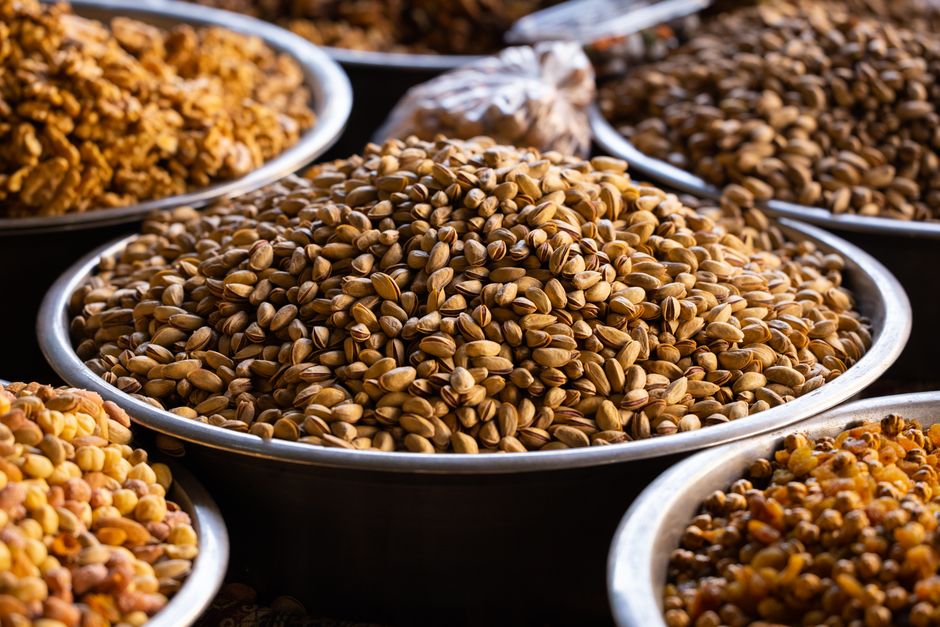
Fenugreek Seeds Are a Small but Real Tool for Weight Management
Fenugreek seeds have been used in cooking and traditional medicine for thousands of years, but their role in weight loss is often misunderstood. The direct answer is that how to use fenugreek for weight loss comes down to three main methods: soaking the seeds, grinding them into powder, or taking a supplement.
Each method affects your body differently, and the evidence behind them is more modest than many online claims suggest. Some research indicates fenugreek may help with appetite control and blood sugar regulation, which can support weight loss efforts. But it is not a standalone solution, and no study has shown it melts fat on its own.
This article covers what the science actually says, how to prepare fenugreek safely, and what results you can realistically expect. Most weight loss advice ignores the practical details, like taste, timing, and side effects, that determine whether you will stick with it.
My cook’s note: I always soak fenugreek seeds overnight before using them. The soaked seeds have a milder, almost maple-like taste that blends better into food than the raw powder, which can be intensely bitter.
Key Points at a Glance
| Point | What It Means | Why It Matters |
|---|---|---|
| Appetite control | Fenugreek fiber may slow digestion and increase fullness | Helps you eat fewer calories without feeling deprived |
| Blood sugar support | Some studies show improved glucose response after meals | Steadier blood sugar reduces cravings for sugary snacks |
| Preparation matters | Soaked seeds, powder, and supplements work differently | Choosing the right form affects absorption and side effects |
| Calorie impact | Fenugreek itself has minimal calories | It supports weight loss indirectly, not as a calorie burner |
What Does the Research Actually Say About Fenugreek and Weight Loss?
Research published in the Journal of Medicinal Food found that fenugreek supplementation helped reduce dietary fat intake in healthy volunteers over a six-week period. Other studies suggest the soluble fiber in fenugreek seeds forms a gel in your digestive tract, which slows stomach emptying and promotes a feeling of fullness.
The evidence for direct fat loss is weaker. Some studies indicate modest weight reductions, but the results vary widely, and many trials combine fenugreek with other lifestyle changes. No strong clinical evidence currently supports the claim that fenugreek alone produces significant weight loss.
What the research does support is fenugreek’s role in blood sugar management. Several studies show improved insulin sensitivity and lower post-meal glucose spikes, which can indirectly help with weight control by reducing cravings and energy crashes.
What this means for you: Think of fenugreek as a support tool, not a fat burner. It works best alongside a calorie deficit and regular meals that keep your blood sugar steady.
How to Use Fenugreek for Weight Loss: Three Practical Methods
The most common way is soaking whole seeds overnight and drinking the water in the morning. Use one teaspoon of seeds in a cup of water, soak for eight hours, and drink the liquid on an empty stomach.
Ground fenugreek powder is another option, and it mixes well into yogurt, oatmeal, or smoothies. Start with half a teaspoon per day and work up to one teaspoon, since the powder has a strong bitter taste that takes getting used to.
Supplements are the third option, and they offer the most consistent dosing. Look for standardized extracts containing 50 percent fenugreek saponins, which is the compound most often studied for metabolic effects.
My kitchen tip: When I use fenugreek powder in cooking, I add it to curries or lentil soups where its bitterness blends with other strong spices. It becomes nearly undetectable that way.
Is Soaked Fenugreek Water Better Than Powder?
Soaked seeds release more soluble fiber into the water, which may enhance the appetite-suppressing effect. Powder retains all the fiber but can be harder to digest for some people.
There is no strong evidence that one method outperforms the other for weight loss. Choose the form you will actually use consistently, since regularity matters more than the specific preparation.
How Much Fenugreek Should You Take for Weight Loss?
Clinical studies typically use doses between 2 and 5 grams of fenugreek seeds or powder per day, divided into two or three servings. This translates to roughly one to two teaspoons of whole seeds or half to one teaspoon of powder daily.
No established clinical guideline exists specifically for fenugreek as a weight loss aid, so these doses come from research protocols rather than official recommendations. Start at the lower end to assess your tolerance, especially if you have never used fenugreek before.
Higher doses do not produce better results and increase the risk of side effects. The most common issues include digestive discomfort, bloating, and a maple-like odor in urine and sweat.
Important safety note: Fenugreek can interact with blood-thinning medications and diabetes drugs. If you take any prescription medication, talk to your doctor before adding fenugreek to your routine.
What Side Effects Should You Watch For?
Digestive upset is the most common side effect, particularly when starting with high doses. Begin with a small amount and increase gradually over several days to let your system adjust.
Fenugreek may lower blood sugar, which is beneficial for some people but risky for those already on glucose-lowering medication. Monitor your levels closely if you have diabetes and use fenugreek regularly.
Allergic reactions are rare but possible, especially in people with peanut or chickpea allergies, since fenugreek belongs to the same plant family. Stop using it and seek medical attention if you experience hives, swelling, or difficulty breathing.
Frequently Asked Questions
Related Articles
How long does it take to see weight loss results with fenugreek?
Most studies show effects on appetite and blood sugar within two to four weeks of consistent use. Weight changes typically appear only when fenugreek is combined with a calorie-controlled diet.
Can I drink fenugreek water every day?
Yes, daily use is generally safe for most healthy adults at doses under five grams per day. Stop if you experience persistent digestive discomfort or unusual symptoms.
Does fenugreek help reduce belly fat specifically?
No research shows fenugreek targets belly fat more than fat anywhere else on the body. Spot reduction is not supported by scientific evidence, regardless of the supplement used.
Is fenugreek safe during pregnancy?
Fenugreek is not recommended during pregnancy because it can stimulate uterine contractions. Avoid it entirely if you are pregnant or trying to become pregnant.
Should I take fenugreek before or after meals?
Taking fenugreek about 30 minutes before meals may enhance its appetite-suppressing effects. This timing allows the soluble fiber to begin forming a gel in your stomach before food arrives.
Can fenugreek replace my weight loss medication?
No, fenugreek is not a substitute for prescription weight loss medications. It is a dietary supplement with modest supporting evidence, not a clinically proven treatment for obesity.
Fenugreek offers a real but modest tool for weight management when used correctly. The best approach is to pick one preparation method, start with a low dose, and track how your appetite and cravings respond over several weeks. Pair it with a sustainable calorie deficit and regular physical activity, and use our TDEE calculator to find your maintenance calories as a starting point.
Remember that no supplement replaces the fundamentals of weight loss: eating fewer calories than you burn, getting enough protein and fiber, and staying consistent. Fenugreek can make that process easier by helping you feel fuller and keeping your blood sugar steady, but it cannot do the work for you.

The TDEECAL Team writes about nutrition, metabolism, and fat loss the way we built our calculator, with real numbers and no hype. We dig into the research so you don’t have to guess.