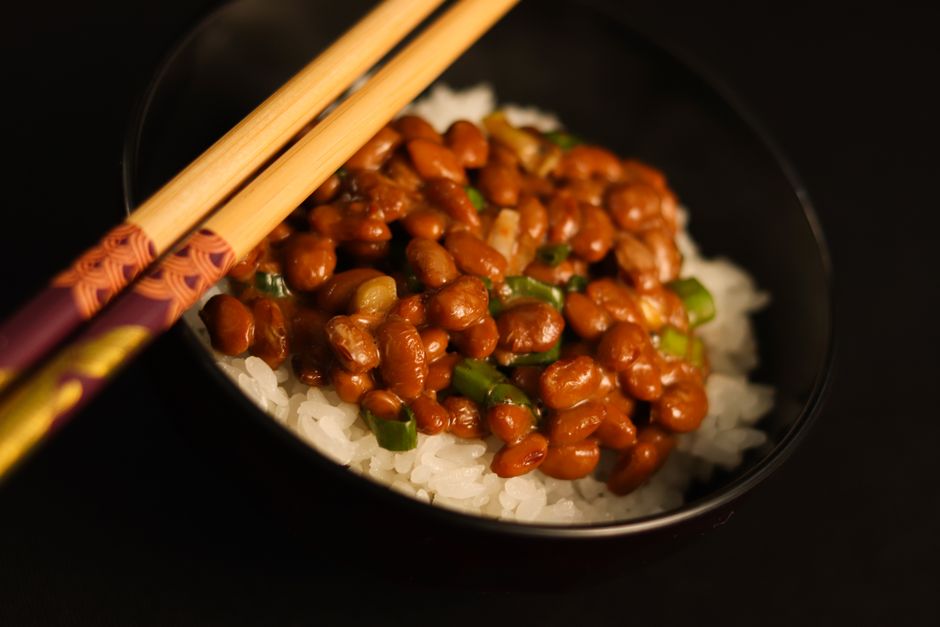
Soybeans often get caught between two stories — one calling them a superfood, the other blaming them for digestive trouble and hormone fears. The truth sits somewhere in the middle, and for weight loss specifically, the evidence points in a surprisingly clear direction.
Are soybeans good for weight loss? Yes — research consistently shows that regular soybean consumption supports weight management through high protein, steady fiber, and a lower calorie density than most protein sources. Studies have found that people who eat soy-based proteins tend to feel fuller longer and consume fewer calories overall. This doesn’t mean soybeans melt fat on their own, but they are one of the more effective whole foods for supporting a calorie deficit.
Most weight loss advice focuses on cutting calories or increasing exercise, and both matter. But the type of protein you choose affects how hungry you feel between meals, which is where soybeans earn their place. This article covers what the research actually says about soy and weight, how to eat it without the common mistakes, and which soy products are worth your grocery money.
Key Points at a Glance
| Point | What It Means | Why It Matters |
|---|---|---|
| Protein content | One cup of cooked soybeans has roughly 31 grams of protein | High protein intake reduces hunger and supports muscle retention during weight loss |
| Fiber profile | About 10 grams of fiber per cooked cup | Fiber slows digestion and stabilizes blood sugar, reducing cravings |
| Calorie density | Roughly 298 calories per cooked cup | You get a large volume of food for moderate calories, which helps portion control |
| Isoflavones | Plant compounds unique to soy | Some research links them to reduced abdominal fat, though results vary |
| Processing matters | Whole soybeans differ from soy protein isolates | Minimally processed soy offers more fiber and fewer additives than shakes or bars |
What Does the Research Actually Say About Soy and Weight Loss?
Several meta-analyses have examined soy protein’s effect on body weight, and the results are fairly consistent. A review of randomized controlled trials found that soy protein interventions led to modest but significant reductions in body weight, body mass index, and waist circumference compared to control diets. The effect size is small — typically a few pounds over several months — but it appears real, not just a statistical fluke.
The mechanism is straightforward. Soy protein is highly satiating, meaning it suppresses hunger hormones more effectively than carbohydrates or fats. One study published in the journal Obesity found that participants who consumed soy protein reported lower hunger ratings and ate less at their next meal compared to those who consumed whey protein or casein. I notice this in my own kitchen — a bowl of edamame with a little salt keeps me satisfied for hours in a way that a handful of crackers never does.
How Many Calories Are in Soybeans and Does It Fit a Diet?
A single cup of cooked soybeans contains roughly 298 calories, 31 grams of protein, 10 grams of fiber, and about 15 grams of fat — most of it the heart-healthy unsaturated kind. Compare that to a cup of cooked chicken breast at roughly 231 calories and 43 grams of protein, and soybeans look less efficient on a per-calorie basis. But the fiber and volume change the equation. You cannot eat a cup of chicken breast and feel the same fullness that a cup of soybeans provides.
For most women aiming to lose weight, a daily serving of soybeans fits comfortably within a calorie deficit. A half-cup serving delivers roughly 149 calories and 15 grams of protein, which works as a side dish, salad topping, or snack. The key is portion control — it is easy to eat two or three cups of edamame while watching television, and that adds up to nearly 600 calories before you realize it.
Are Soybeans Good for Weight Loss Compared to Other Protein Sources?
When researchers compare soy protein directly to animal proteins in weight loss trials, the differences are small but favor soy in some measures. A 2020 meta-analysis in Nutrients found that soy protein produced greater reductions in body weight and waist circumference than animal protein, though the absolute differences were modest. The practical takeaway is that soybeans work at least as well as chicken or beef for weight loss, with the added benefit of fiber that animal proteins lack.
The bigger advantage shows up in long-term adherence. Diets that include a variety of protein sources tend to be more sustainable than monotonous meal plans. Soybeans add texture and flavor variety that keeps people engaged with their eating plan, which matters more than any single nutrient’s effect on metabolism. I keep frozen edamame and canned soybeans in my pantry because they make a meal feel complete without requiring much thought or preparation.
Which Soy Products Are Actually Good for Weight Loss?
Not all soy products carry the same benefits. Whole soybeans, edamame, and tofu retain the fiber and natural protein structure that makes soy satiating. Tempeh, which is fermented whole soybeans, offers similar benefits with the added advantage of probiotics. These minimally processed options are the ones worth building meals around.
Soy protein isolates and shakes are a different story. These concentrated powders remove the fiber and often add sweeteners, gums, and artificial flavors. They still provide protein, but they lack the fullness factor of whole soy and may lead to overeating later in the day. Soy milk varies widely by brand — unsweetened versions have roughly 80 calories per cup and 7 grams of protein, while sweetened versions can double the calories without adding satiety.
What Are the Common Mistakes People Make With Soy and Weight Loss?
The most common mistake is relying on processed soy snacks. Soy crisps, soy protein bars, and flavored soy chips often contain more sugar and refined carbohydrates than protein. A bar marketed as a health food can easily pack 300 calories and 20 grams of sugar, which undermines any weight loss effort. Always read the nutrition label before assuming a soy product is diet-friendly.
The second mistake is ignoring portion sizes. Soybeans are calorie-dense compared to most vegetables, and eating them freely without measuring will stall progress. A serving is a half-cup, not a bottomless bowl. The third mistake is expecting soy alone to produce weight loss. No single food causes fat loss — soybeans work only within an overall calorie deficit, and they work best when paired with regular physical activity and adequate sleep.
Frequently Asked Questions
Related Articles
Can eating soybeans every day help with weight loss?
Yes, daily consumption of whole soybeans can support weight loss by increasing fullness and reducing overall calorie intake. Consistency matters more than quantity — a half-cup serving most days is a reasonable target.
Are roasted soybeans a healthy weight loss snack?
Roasted soybeans are healthy in moderation, but they are calorie-dense — a quarter-cup contains roughly 130 calories and 11 grams of protein. Measure them out rather than eating straight from the bag, since it is easy to overeat them.
Do soy isoflavones affect belly fat specifically?
Some studies suggest isoflavones may help reduce abdominal fat, particularly in postmenopausal women, but the evidence is mixed. The effect appears modest and varies by individual, so it should not be the primary reason to eat soy.
Is soy milk good for weight loss?
Unsweetened soy milk can be helpful for weight loss because it provides protein and calcium for about 80 calories per cup. Sweetened varieties add unnecessary sugar and calories, so always choose the unsweetened version.
Can eating soybeans cause weight gain?
Eating soybeans in excess can contribute to weight gain, since they contain calories like any food. Portion control is key — a half-cup serving supports weight loss, but eating several cups daily will add calories that may exceed your needs.
Are fermented soy products like tempeh better for weight loss than tofu?
Tempeh and tofu are both effective for weight loss, though tempeh has slightly more protein and fiber per serving. Fermentation may also improve nutrient absorption, but the difference is small enough that personal preference should guide your choice.
To track your calorie needs accurately while incorporating soybeans into your diet, use the TDEE Calculator to establish your maintenance calories and create a sustainable deficit.

The TDEECAL Team writes about nutrition, metabolism, and fat loss the way we built our calculator, with real numbers and no hype. We dig into the research so you don’t have to guess.