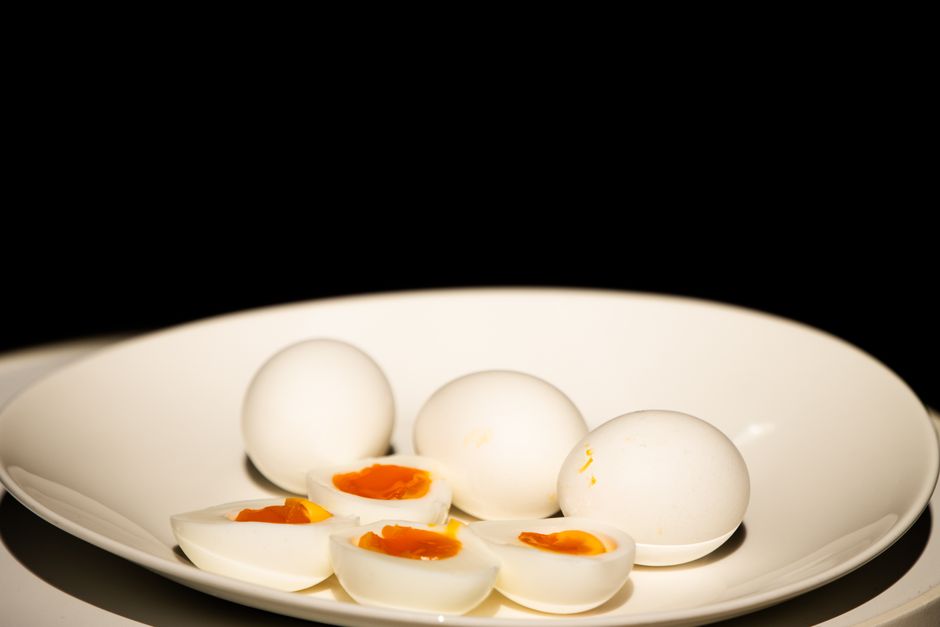
You might have heard that egg whites are the “diet food” everyone swears by. The truth is a bit more interesting than that, and it matters for how you plan your meals.
Yes, boiled egg white is good for weight loss because it delivers high-quality protein for very few calories, which helps with fullness and preserving muscle. A large egg white has about 17 calories and roughly 3.6 grams of protein, making it one of the most efficient protein sources available. This combination supports a calorie deficit without leaving you hungry an hour later.
Most weight loss advice gets tangled in extremes. Some say eat only whites, others say eat the whole egg. The practical answer sits in the middle, and it depends on your total daily calories and how much fat you already eat.
This article covers the actual numbers, how egg whites compare to whole eggs, and the honest limits of what they can do for you. You will also get a clear answer on whether you need to skip the yolk to see results.
Key Points at a Glance
| Point | What It Means | Why It Matters |
|---|---|---|
| Calorie density | One large boiled egg white has about 17 calories | You can eat a high volume of food for very few calories, which supports a deficit |
| Protein quality | Egg whites contain all essential amino acids | Complete protein supports muscle maintenance during weight loss |
| Satiety effect | Protein is the most filling macronutrient | Helps you eat less later in the day without feeling deprived |
| Yolk comparison | The yolk adds about 55 calories and 5 grams of fat | Dropping the yolk saves calories but removes some nutrients like vitamin D and choline |
| Practical role | Egg whites work best as part of a varied diet | No single food drives weight loss; overall patterns matter more |
How Many Calories Are in a Boiled Egg White?
A single large boiled egg white contains roughly 17 calories, less than 0.1 grams of fat, and about 3.6 grams of protein. USDA data confirms these numbers consistently across large eggs. That makes egg whites one of the lowest-calorie protein sources you can prepare in minutes.
I always keep a few boiled eggs in the fridge for busy mornings. Peeling them under cold running water makes the shell come off much easier, and I find that small trick saves me more time than any fancy kitchen tool.
Is Boiled Egg White Good for Weight Loss Compared to Whole Eggs?
Boiled egg white is good for weight loss, but whole eggs are not the enemy. A whole large boiled egg has about 78 calories, 6 grams of protein, and 5 grams of fat. The yolk contains most of the vitamins and minerals, including vitamin D, choline, and antioxidants like lutein.
Research consistently shows that eating eggs at breakfast increases fullness and reduces calorie intake later in the day. Some studies suggest this effect works with whole eggs or whites alone, but the yolk adds nutrients that support overall health. If you are cutting calories strictly, whites help you stretch protein further. If you have room in your daily budget, the yolk is worth keeping.
How Much Protein Do You Need to Lose Weight?
Most research suggests that higher protein intake supports weight loss by preserving muscle and increasing satiety. A common starting point is 0.7 to 1 gram of protein per pound of body weight, though needs vary by age, activity level, and muscle mass. For a 150-pound woman, that means roughly 105 to 150 grams of protein daily.
Egg whites contribute to that goal efficiently. Four large egg whites give you about 14 grams of protein for only 68 calories. That same calorie amount from chicken breast gives you less than half the protein.
No single protein source is mandatory. Egg whites are simply a convenient, low-calorie option that fits into most eating patterns without much effort.
Do You Need to Skip the Yolk to See Results?
No, you do not need to skip the yolk to lose weight. Weight loss comes from being in a calorie deficit, not from avoiding specific foods. The yolk adds roughly 55 calories and 5 grams of fat, which is a modest amount that fits into most daily budgets.
The evidence on egg yolks and cholesterol has also shifted. Most people can eat whole eggs without raising their blood cholesterol significantly. Current dietary guidance no longer limits egg consumption for healthy individuals, though people with diabetes or heart disease should discuss this with their doctor.
If you are eating eggs multiple times a day, alternating whole eggs and whites gives you variety without excess calories. If you are at a very low calorie target, whites let you get more protein for fewer calories.
What Are the Limits of Egg Whites for Weight Loss?
Egg whites alone will not cause weight loss. They are a tool, not a solution. No study has shown that adding egg whites to an otherwise poor diet produces meaningful results.
Some people claim egg whites are a “negative calorie” food, meaning you burn more calories digesting them than they contain. No strong clinical evidence currently supports this claim. The thermic effect of protein is real, roughly 20 to 30 percent of calories burned during digestion, but it does not make any food calorie-free.
Egg whites are also low in several important nutrients. They contain almost no fat-soluble vitamins, iron, or zinc. Relying on them exclusively could leave gaps in your diet over time.
Frequently Asked Questions
Related Articles
Can I eat boiled egg whites every day?
Yes, eating boiled egg whites daily is safe for most healthy people. They are a low-calorie, high-protein food that fits into a balanced diet without issue.
How many egg whites should I eat a day for weight loss?
There is no established clinical guideline for a specific number of egg whites per day. A reasonable approach is to use them as one protein source among several, based on your total daily protein needs.
Are boiled egg whites better than scrambled egg whites for weight loss?
Boiled and scrambled egg whites have similar calories and protein if you do not add fat during cooking. Boiling avoids the need for oil or butter, which can save calories.
Do egg whites help you lose belly fat?
No food targets belly fat specifically. Egg whites support overall weight loss through protein and satiety, and fat loss from the midsection comes with total body fat reduction.
Is it better to eat egg whites or whole eggs for weight loss?
Both work for weight loss if you stay in a calorie deficit. Whole eggs provide more nutrients, while whites offer more protein per calorie, so the best choice depends on your daily calorie and nutrient targets.
Can eating too many egg whites be harmful?
Eating very large amounts of egg whites is unlikely to cause harm for most people, but it could displace other nutritious foods. People with kidney disease should consult their doctor about high protein intake.
Use our TDEE Calculator to find your maintenance calories and set a realistic deficit for weight loss.

The TDEECAL Team writes about nutrition, metabolism, and fat loss the way we built our calculator, with real numbers and no hype. We dig into the research so you don’t have to guess.