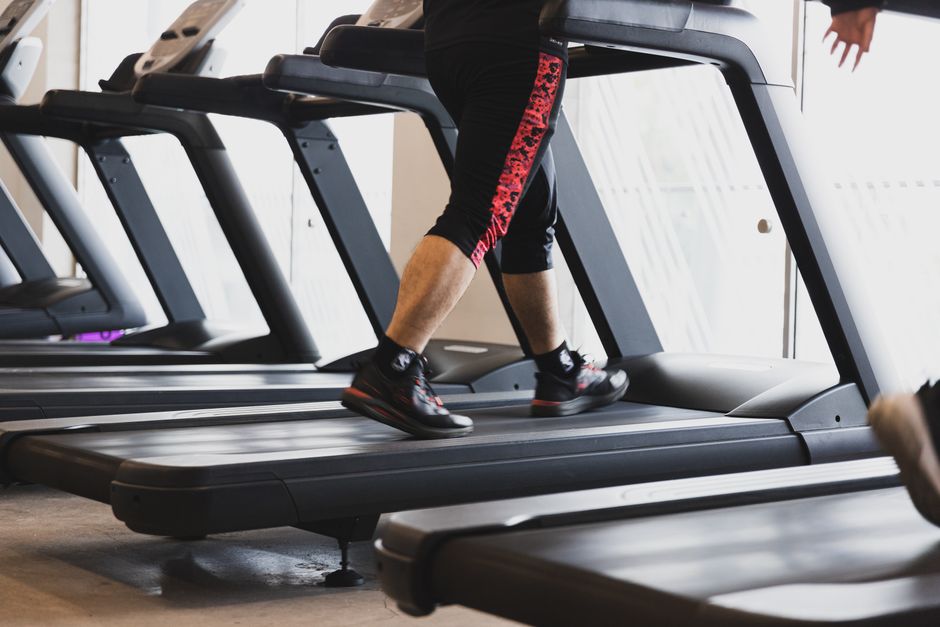
Walking into a gym can feel overwhelming when you’re faced with a wall of machines, each promising to burn calories. You want results from your workout time, not just another piece of equipment you avoid after the first month.
Which is the best cardio for weight loss? The honest answer is that the best machine is the one you will actually use consistently. Research consistently shows that total calorie burn depends more on your effort level and duration than on the specific machine you choose, though some options do offer distinct advantages for different bodies and fitness levels.
Most generic advice tells you to “just pick one,” but that ignores how your body mechanics, joint health, and personal preferences change the equation. This guide breaks down the top machines by their actual calorie-burning potential, impact on your joints, and how easy they are to stick with long-term. You will leave with a clear decision framework, not just a list of options.
Key Points at a Glance
| Point | What It Means | Why It Matters |
|---|---|---|
| Consistency beats intensity | The best machine is the one you use 4-5 times per week | Irregular workouts burn fewer calories over a month than steady effort |
| Rowing machine wins for full-body engagement | Uses arms, legs, and core simultaneously | Burns roughly 400-600 calories per hour at moderate effort |
| Treadmill offers the highest top-end burn | Running burns more calories per minute than other options | Great for experienced exercisers, but harder on joints |
| Recumbent bike is easiest on joints | Low impact with back support | Ideal for beginners or those with knee or back issues |
| Elliptical balances impact and effort | Smooth motion with arm handles | Good middle-ground choice for most people |
Which Cardio Machines Burn the Most Calories?
Calorie burn varies significantly by machine, but your body weight and effort level matter more than the equipment itself. A 155-pound person burns roughly 300 calories in 30 minutes of running at 6 miles per hour, while the same person burns about 260 calories on a rowing machine and 230 calories on an elliptical at moderate effort.
The treadmill offers the highest ceiling because running recruits more muscle mass than seated or supported exercises. But that advantage disappears if you slow down to a walk because your joints hurt or you dread the workout.
I always tell clients to check the machine’s calorie display with skepticism. Most overestimate by 15-20 percent. Use a TDEE Calculator to set your daily targets instead, and treat machine readings as rough estimates.
Is the Treadmill the Best Cardio Machine for Weight Loss?
The treadmill ranks at the top for pure calorie burn because running is a high-impact, high-effort activity. Studies show that vigorous running burns more calories per minute than cycling, rowing, or using an elliptical at comparable perceived effort.
But the treadmill has a real downside: impact. Every stride puts two to three times your body weight through your knees and ankles. If you have joint concerns or carry significant excess weight, this can lead to injury and force you to stop exercising altogether.
Why the Rowing Machine Deserves Serious Consideration
Rowing engages approximately 85 percent of your muscles with every stroke, making it one of the most efficient full-body workouts available. You pull with your arms, push with your legs, and stabilize through your core throughout the motion.
The calorie burn is impressive, but the real advantage is sustainability. Rowing is low-impact, which means you can train more frequently without the joint stress of running. I have found that most beginners can row comfortably for 20 minutes before they build the technique and endurance for longer sessions.
One note from experience: proper form matters enormously on the rower. If you are just using your arms, you will fatigue quickly and burn fewer calories. Push through your legs first, then hinge back, then pull with your arms.
How Do the Elliptical and Stationary Bike Compare?
The elliptical offers a smooth, low-impact motion that feels natural to most people. It burns slightly fewer calories than running at similar effort levels, but the reduced joint strain makes it easier to use for longer sessions.
Stationary bikes, including upright and recumbent models, provide excellent cardiovascular benefits with minimal joint stress. Recumbent bikes are particularly good if you have lower back issues because they offer back support while you pedal. The trade-off is that seated cycling burns fewer calories than standing exercises because it supports your body weight.
Which is the best cardio machine for you depends on your specific constraints. If you have healthy joints and enjoy high-effort workouts, the treadmill or rower gives you the most calorie burn per minute. If you are starting fresh or have joint sensitivity, the elliptical or recumbent bike keeps you moving without pain.
What About the Stair Climber and Assault Bike?
The stair climber deserves more attention than it gets. It burns roughly 300 calories in 30 minutes for a 155-pound person, similar to running, while building leg strength. The continuous stepping motion is harder than most people expect, so start with 10-minute intervals if you are new to it.
The assault bike, also called an air bike, offers a unique challenge because resistance increases as you pedal faster. It is excellent for high-intensity interval training, where you alternate between all-out effort and recovery. This approach burns calories during the workout and continues to elevate your metabolism afterward.
These machines are less forgiving for beginners. I would recommend building a base of 20-30 minute sessions on gentler equipment before tackling the stair climber or assault bike at full effort.
Frequently Asked Questions
Related Articles
How often should I use a cardio machine to lose weight?
Aim for 150-300 minutes of moderate cardio per week, spread across most days. Consistency matters more than any single workout length or intensity level.
Can I lose weight with cardio alone?
Yes, but combining cardio with a modest calorie deficit through diet produces faster results. Research shows that diet and exercise together outperform either approach alone.
Should I choose a machine based on my body type?
Your joint health and current fitness level matter more than body type. Taller users often prefer treadmills or ellipticals, while shorter users may find recumbent bikes more comfortable.
How do I know if I’m working hard enough?
Use the talk test: you should be able to speak in short sentences but not hold a full conversation. This indicates you are in the moderate-to-vigorous zone that supports weight loss.
Is high-intensity interval training better than steady-state cardio?
HIIT burns more calories in less time, but steady-state cardio is easier to sustain and recover from. Both approaches work, so choose the one you can maintain consistently.
Your next step is simple: pick one machine and commit to using it for three weeks. Track your effort, not just your time, and adjust your food intake using a calorie calculator to ensure you are in a sustainable deficit. The best cardio machine is the one that gets you moving today and keeps you coming back tomorrow.
Use the TDEE Calculator to find your maintenance calories and set a realistic deficit that supports steady weight loss without extreme restriction.

The TDEECAL Team writes about nutrition, metabolism, and fat loss the way we built our calculator, with real numbers and no hype. We dig into the research so you don’t have to guess.