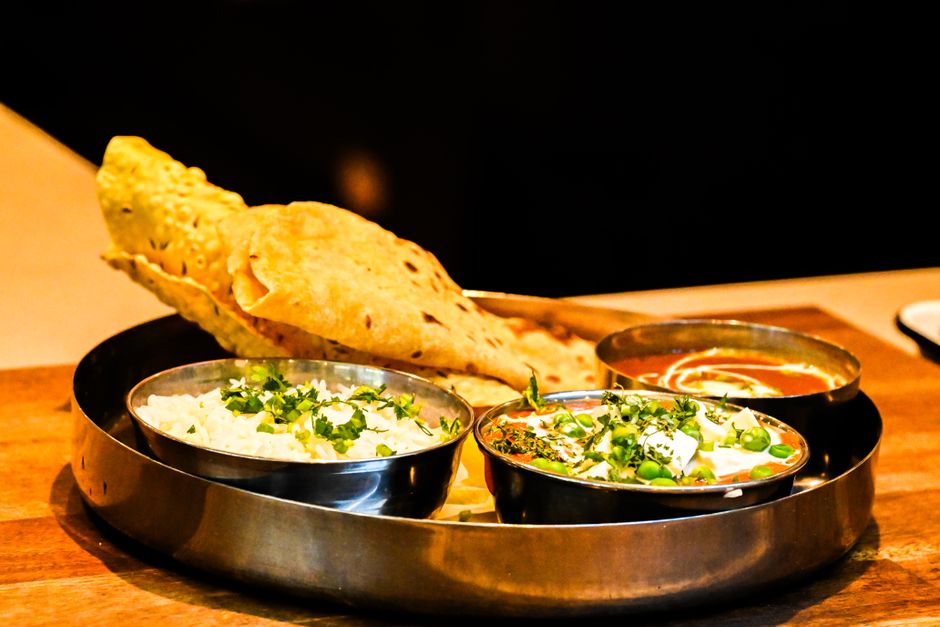
Dal dhokli is a traditional Gujarati comfort food that many people assume is too heavy for weight loss. The truth depends entirely on how it’s made, what you serve with it, and how much you actually eat. The answer to is dal dhokli good for weight loss is: yes, it can be part of a weight loss plan if you control portions and prepare it with minimal oil and ghee. This dish combines protein-rich lentils with whole wheat noodles, giving you a balanced meal that can keep you full for hours. But restaurant versions often swim in oil and sugar, which changes the calorie picture completely. This article breaks down what actually matters when you’re trying to lose weight while still enjoying foods you love.
Most weight loss advice tells you to avoid traditional foods entirely, which sets you up for failure. You end up feeling deprived, then you binge later. Dal dhokli offers a smarter path: a familiar meal that can work with your goals rather than against them. We’ll look at the real calorie counts, the protein and fiber content, and the specific preparation choices that make the difference between a diet-friendly meal and a calorie bomb.
Related Articles
Key Points at a Glance
| Point | What It Means | Why It Matters |
|---|---|---|
| Protein content | Dal provides roughly 9 grams of protein per cup | Protein keeps you full and preserves muscle during weight loss |
| Fiber from wheat | Whole wheat dhokli adds 3-4 grams of fiber | Fiber slows digestion and stabilizes blood sugar |
| Oil and ghee | Each tablespoon adds about 120 calories | This is where most weight loss plans go off track |
| Portion size | A reasonable serving is 1.5 cups total | Even healthy foods cause weight gain in excess |
What Is Dal Dhokli Nutritionally?
Dal dhokli combines two main components: a spiced lentil soup (dal) and flat wheat noodles (dhokli) cooked directly in the dal. The lentils bring protein and fiber, while the wheat flour provides complex carbohydrates for steady energy. A typical home-prepared serving of about 1.5 cups contains roughly 250 to 350 calories, depending on the amount of oil, ghee, and sugar used in the tadka.
I always notice that home cooks who skip the sugar and use just a teaspoon of ghee for the tadka end up with a meal that feels just as satisfying as the heavy restaurant version. The difference is about 100 calories per bowl, which adds up to over a pound per month if you eat it twice a week.
Is Dal Dhokli Good for Weight Loss Compared to Other Meals?
Compared to a typical restaurant meal like butter chicken with naan, dal dhokli is a clear winner. It has more protein per calorie, more fiber, and less saturated fat. Compared to a plain salad with grilled chicken, it has more carbohydrates, which some people find helpful for energy and satiety.
The key advantage is the protein-fiber combination. Research consistently shows that meals combining protein and fiber produce greater fullness than meals with only one of those components. This means you’re less likely to reach for snacks two hours after eating. One bowl of dal dhokli can genuinely hold you for four to five hours, which is rare for a vegetarian dish.
How Should You Prepare Dal Dhokli for Weight Loss?
The preparation method matters more than any single ingredient. Use whole wheat flour instead of refined flour for the dhokli, and roll it thin so it cooks quickly and absorbs less oil. For the tadka, use one teaspoon of ghee or oil instead of the two to three tablespoons many recipes call for. Skip the sugar entirely or replace it with a pinch of jaggery if you need sweetness.
Add extra vegetables to the dal itself. Spinach, tomatoes, or bottle gourd increase the volume without adding many calories, which means you get a bigger bowl for the same calorie count. The vegetables also add micronutrients that support overall health during a calorie deficit.
One thing I always do at home is add a handful of chopped spinach to the dal right before serving. It wilts into the soup and you barely notice it, but it adds a full serving of vegetables without changing the taste.
How Much Dal Dhokli Should You Eat?
Portion control is the single biggest factor in whether dal dhokli helps or hurts your weight loss. A reasonable serving is about 1.5 cups total, which means roughly one cup of dal and one medium-sized dhokli piece. That portion provides enough protein and fiber to keep you full without pushing your calorie intake too high.
If you’re eating dal dhokli as your main meal, pair it with a side salad or a bowl of raw vegetables. This adds volume and crunch without adding significant calories. Avoid serving it with rice or additional bread, which doubles the carbohydrate load and pushes the meal past 500 calories.
For most women aiming to lose weight, a daily calorie target between 1,400 and 1,800 calories is typical. One bowl of dal dhokli at 300 calories fits comfortably into that range, leaving room for two other meals and a snack. If you’re unsure about your specific needs, use a TDEE calculator to get a personalized estimate rather than guessing.
Frequently Asked Questions
Can I eat dal dhokli every day while trying to lose weight?
Eating dal dhokli daily is possible if your portions are controlled and your overall calorie intake stays within your target. However, variety in your protein sources and vegetables is important for long-term nutritional adequacy.
Is dal dhokli high in carbohydrates?
Yes, dal dhokli is a carbohydrate-heavy dish because of the whole wheat noodles. The carbohydrates are complex and come with fiber, which slows digestion and prevents blood sugar spikes.
Does dal dhokli contain enough protein for weight loss?
One serving provides roughly 12 to 15 grams of protein, which is helpful but not enough for your entire daily needs. Pair it with a side of yogurt or a handful of nuts to increase the protein content of the meal.
How many calories are in a bowl of dal dhokli?
A home-prepared bowl of about 1.5 cups contains roughly 250 to 350 calories, depending on the oil and ghee used. Restaurant versions can exceed 500 calories because of added sugar and generous amounts of fat.
Is dal dhokli good for people with diabetes?
The fiber and protein in dal dhokli can help stabilize blood sugar compared to refined carbohydrate meals. However, portion control is essential, and you should monitor your blood sugar response individually.
Can I make dal dhokli in advance for meal prep?
Yes, dal dhokli stores well in the refrigerator for up to three days. The dhokli pieces absorb liquid over time, so add a little water when reheating to restore the consistency.

The TDEECAL Team writes about nutrition, metabolism, and fat loss the way we built our calculator, with real numbers and no hype. We dig into the research so you don’t have to guess.