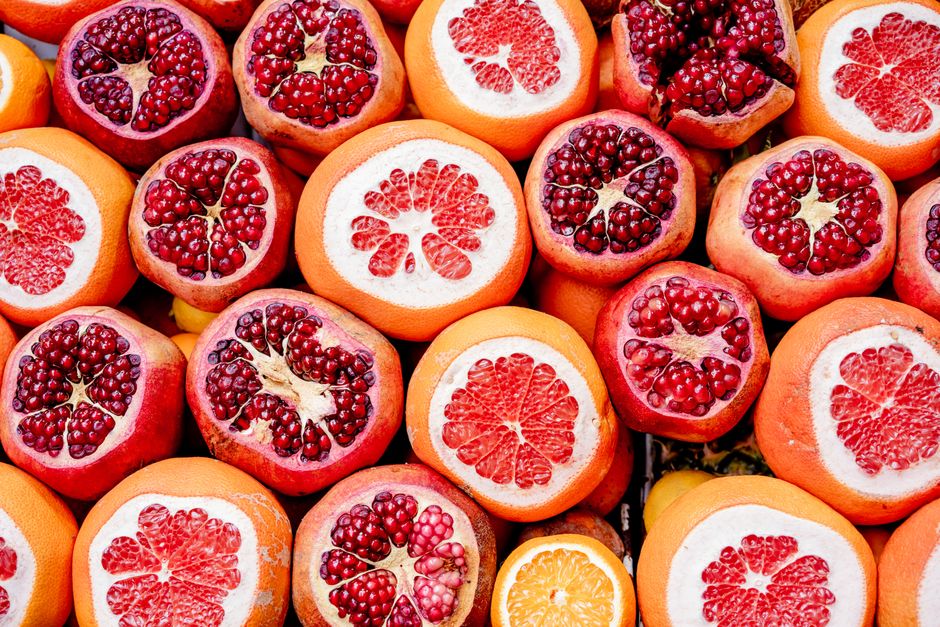
What is Grapefruit Good for Weight Loss?
Grapefruit often shows up in weight loss conversations, but the truth is more measured than the hype. This article explains what is grapefruit good for weight loss, what it actually does, and where the evidence falls short.
What is grapefruit good for in a weight loss plan? Grapefruit is a low-calorie, high-water fruit that can help with weight loss by supporting portion control and adding volume to meals. Research on grapefruit specifically causing weight loss is mixed, but its fiber and water content can help you feel full. It is not a magic fat burner, but it can be a useful part of a balanced diet.
Most online advice either overhypes grapefruit as a miracle food or dismisses it entirely. The reality sits in the middle. We will break down the calories, the evidence, and the practical ways to use it without falling for exaggerated claims.
Key Points at a Glance
| Point | What It Means | Why It Matters |
|---|---|---|
| Calorie content | About 52 calories per half fruit | Easy to fit into a calorie deficit |
| Water and fiber | High water content, about 2 grams of fiber per fruit | Helps with fullness and digestion |
| Blood sugar impact | Low glycemic index | May help steady energy levels |
| Weight loss evidence | Mixed results in clinical studies | Useful but not a guaranteed solution |
Does Grapefruit Actually Help With Weight Loss?
Some studies suggest grapefruit may support weight loss, but the results are not dramatic. Research published in the Journal of Medicinal Food found that eating half a grapefruit before meals was linked to modest weight loss in participants. The effect was small, and the study had limitations, so treat these findings with caution.
The mechanism is simple. Grapefruit is mostly water, which adds volume to your stomach without adding many calories. That can help you eat less at the next meal, but it is not a metabolic trick.
What is grapefruit good for in practical terms? It replaces higher-calorie snacks and adds a tart flavor that can curb sugar cravings. I keep a bowl of segmented grapefruit in the fridge for afternoons when I want something sweet but not heavy.
How Many Calories Are in Grapefruit?
A half grapefruit has roughly 52 calories, depending on the variety. A whole fruit runs about 104 calories. The exact number varies slightly by size and ripeness, so treat these as estimates.
Grapefruit also contains about 2 grams of fiber per fruit. Fiber slows digestion and helps you feel satisfied longer. That combination of low calories and moderate fiber makes it a reasonable choice for weight loss.
The sugar content is worth noting. A whole grapefruit has about 16 grams of natural sugar. That is lower than many other fruits, but it is still sugar, so portion size matters if you are watching total intake.
Does Grapefruit Affect Blood Sugar and Insulin?
Grapefruit has a low glycemic index, meaning it does not spike blood sugar quickly. Some research suggests it may improve insulin sensitivity, though the evidence is not conclusive. One small study found that eating grapefruit was linked to lower insulin levels after meals, but larger trials are needed.
For weight loss, stable blood sugar can reduce cravings and energy crashes. That makes grapefruit a better choice than processed snacks that cause rapid spikes and drops.
What is grapefruit good for when it comes to blood sugar? It offers a sweet taste with less impact than many alternatives. I notice I feel steadier after a grapefruit snack than after a granola bar, though individual responses vary.
Can Grapefruit Interfere With Medications?
Yes. Grapefruit can interact with certain medications, including some statins, blood pressure drugs, and anxiety medications. The fruit blocks an enzyme in the liver that processes these drugs, which can raise their levels in your blood to unsafe amounts.
This is not a rare edge case. The FDA requires warning labels on several medications because of grapefruit interactions. If you take any prescription medication, ask your doctor or pharmacist before adding grapefruit to your routine.
Some people assume grapefruit juice and the fruit are different. They are not. Both contain the same compounds that cause interactions, so the fruit carries the same risk as the juice.
Frequently Asked Questions
Related Articles
Can eating grapefruit at night help with weight loss?
No specific evidence supports nighttime grapefruit for weight loss. The timing matters less than the total calories you eat all day.
Is grapefruit better than oranges for weight loss?
Grapefruit and oranges are similar in calories and fiber, so neither is clearly better. Grapefruit is slightly lower in sugar, but the difference is small.
How much grapefruit should I eat per day for weight loss?
No established guideline exists for grapefruit intake specifically. Half a fruit as a snack or before a meal is a reasonable starting point.
Does grapefruit burn belly fat?
No food targets belly fat specifically. Grapefruit can support overall weight loss through fullness and calorie control, but spot reduction is not possible.
Can I eat grapefruit if I take blood pressure medication?
Check with your doctor first. Grapefruit can interact with some blood pressure medications and cause dangerously high drug levels.
Is grapefruit juice as good as the whole fruit for weight loss?
Whole grapefruit is better because it contains fiber that juice lacks. Juice delivers the same calories with less fullness and a bigger blood sugar spike.
Grapefruit fits into a weight loss plan as a low-calorie, filling snack, not as a cure. Use it to replace higher-calorie options and add variety to your diet. Track your overall intake with a TDEE calculator to see where grapefruit fits into your daily calorie needs.

The TDEECAL Team writes about nutrition, metabolism, and fat loss the way we built our calculator, with real numbers and no hype. We dig into the research so you don’t have to guess.