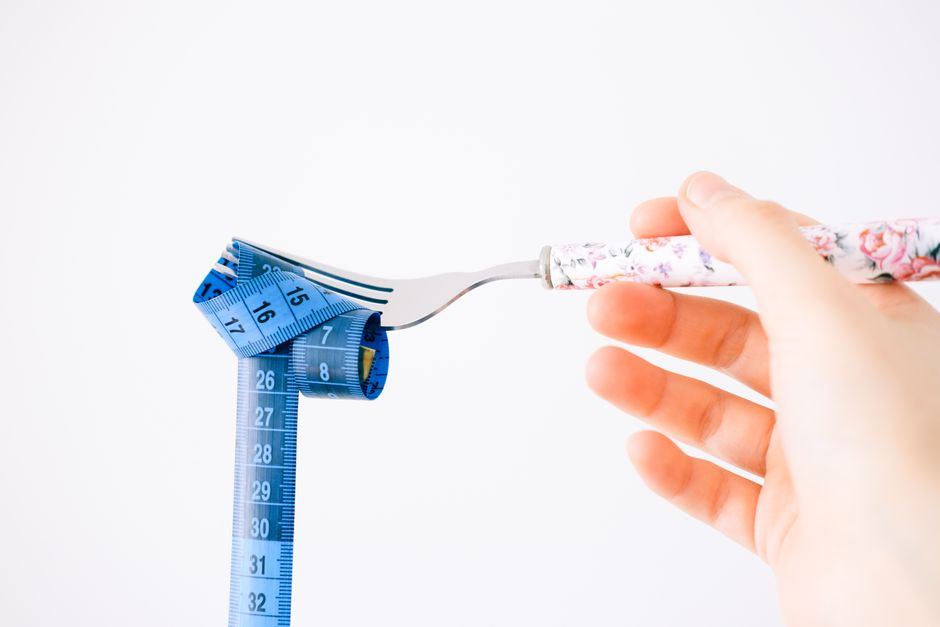
Is Diet Better Than Exercise for Weight Loss
You can outrun a bad diet, but only if you are willing to run for hours every single day. That is the reality most people discover after months of gym sessions with no scale movement. The truth is that for most women, what you eat plays a bigger role in weight loss than how much you move.
The direct answer is yes, is diet better than exercise for weight loss? For the vast majority of people, dietary changes produce faster and more reliable fat loss than exercise alone. Research consistently shows that it is far easier to cut 500 calories from your daily intake than to burn 500 calories through physical activity. This does not mean exercise is unimportant—it is critical for your health and for keeping the weight off long-term.
The confusion usually comes from fitness marketing that sells the idea of “earning” your food through sweat. That mindset sets most women up for frustration because the math rarely works in your favor. This article breaks down exactly how diet and exercise compare, what the evidence actually says, and how to combine both without burning out.
Key Points at a Glance
| Point | What It Means | Why It Matters |
|---|---|---|
| Calorie deficit drives weight loss | You must burn more calories than you consume | Diet controls intake; exercise only controls a fraction of output |
| Exercise burns fewer calories than expected | A 30-minute workout burns roughly 150–300 calories | One snack can erase an entire workout in minutes |
| Diet is more time-efficient | Cutting portions takes seconds; burning calories takes hours | Sustainable habits matter more than willpower |
| Exercise preserves muscle | Strength training protects lean mass during weight loss | Muscle keeps your metabolism higher over time |
| Combination prevents regain | Diet alone often leads to muscle loss and rebound | Exercise helps you maintain the weight you lose |
Why Is Diet Better Than Exercise for Weight Loss?
Weight loss comes down to a calorie deficit—consuming fewer calories than your body burns. Diet controls the “calories in” side of that equation with surgical precision. Exercise controls the “calories out” side, but only partially, and the numbers are often disappointing.
Consider this: a 150-pound woman walking briskly for 30 minutes burns roughly 150 calories. That same woman could skip a single granola bar and achieve the exact same deficit in about ten seconds. Studies show that exercise alone typically produces modest weight loss of about 2–3 pounds over several months, while dietary changes alone can produce 10 or more pounds in the same period. I always tell friends that portion control at the dinner plate does more for their jeans size than any treadmill session.
Practical tip: Start by tracking your food for three days without changing anything. Most women are surprised to find that liquid calories and snack portions are adding 300–500 calories they never accounted for. Cutting those alone creates a deficit without any workout required.
How Much Does Exercise Actually Contribute to Weight Loss?
Exercise matters for health, but its contribution to weight loss is smaller than most people assume. A 2011 analysis published in the Journal of Strength and Conditioning Research found that exercise-only interventions produced an average weight loss of about 2 kilograms, or roughly 4.4 pounds, over several months. That is meaningful but far less than what most people expect from a dedicated workout routine.
Part of the problem is compensation. When you exercise, your body often responds by increasing hunger or reducing spontaneous movement later in the day. You might burn 300 calories in a spin class, then unconsciously sit longer at your desk or eat a slightly larger dinner. Research on this compensation effect suggests it can cancel out a significant portion of exercise calories for some people.
I have seen this pattern countless times in my own kitchen and my own body. After a long run, I crave heartier portions. If I do not plan for that hunger in advance, my workout becomes a net zero for weight loss. Exercise still improves my mood and my heart, but I never count on it to create the deficit itself.
What Are the Real Calorie Differences Between Diet and Exercise?
The numbers make the comparison stark. One pound of fat equals roughly 3,500 calories. To lose one pound per week through exercise alone, you would need to burn 500 calories every single day—that is about 45–60 minutes of vigorous activity, seven days a week. Through diet alone, you simply need to reduce your intake by 500 calories daily, which could be as simple as skipping a large latte and a snack.
Exercise also becomes less efficient over time. As you lose weight, your body requires fewer calories to move, so the same workout burns less than it did when you started. Your diet needs change too, but the adjustment is smaller and easier to manage. For long-term success, most women find that a food-first approach is simply more sustainable than trying to out-exercise their eating habits.
This is not a license to stop moving. Exercise provides benefits that diet cannot touch—heart health, bone density, mood, and muscle preservation. But if your primary goal is seeing the scale move, your fork is a more powerful tool than your sneakers. Use a TDEE calculator to find your maintenance calories, then reduce that number by 300–500 calories to create a realistic deficit.
How Should You Combine Diet and Exercise for Best Results?
The most effective approach treats diet as the engine and exercise as the stabilizer. Focus your primary effort on creating a modest calorie deficit through food choices, then add exercise to preserve muscle and support your metabolism. Strength training is particularly valuable because muscle tissue burns more calories at rest than fat tissue does.
A realistic weekly plan looks like this: track your food intake and stay in a 300–500 calorie deficit most days. Add two to three strength training sessions and two to three moderate cardio sessions per week. This combination produces steady weight loss while protecting your muscle mass and keeping your energy levels stable.
One habit that helps me personally is prepping my meals before the week starts. When healthy food is already portioned and ready, the decision fatigue disappears. I do not have to negotiate with myself at 6 PM when I am tired and hungry. That preparation is what makes the diet side of the equation actually stick.
Practical tip: Aim for a protein-rich meal within two hours after your workout. This supports muscle repair and helps you feel fuller longer, which reduces the likelihood of overeating later in the day.
Frequently Asked Questions
Related Articles
Is diet better than exercise for weight loss?
Yes, for most people, diet produces faster and more reliable weight loss than exercise alone. This is because creating a calorie deficit through food is far easier and more time-efficient than burning the same number of calories through physical activity.
Can I lose weight with exercise only?
You can, but the results are typically modest—around 2–4 pounds over several months. Exercise alone often fails because it increases hunger and reduces spontaneous movement, which can cancel out a significant portion of the calories you burn.
How many calories does a 30-minute workout burn?
A 30-minute moderate workout burns roughly 150–300 calories depending on your weight and the intensity of the activity. That is easily erased by a single snack or a sugary drink, which is why diet plays a larger role in weight loss.
What is the best exercise for weight loss?
Strength training is the best exercise for preserving muscle mass while losing fat, and it keeps your metabolism higher over time. Combining it with regular cardio gives you the best overall results for both weight loss and health.
How much of weight loss is diet versus exercise?
Most experts agree that weight loss is roughly 80 percent diet and 20 percent exercise. The exact split varies by person, but the principle holds: you cannot outrun a poor diet consistently.
Why is my diet not working even though I exercise?
You are likely consuming more calories than you realize, or your body is compensating for exercise by reducing movement elsewhere. Track everything you eat for a week, including drinks and condiments, and compare it to your maintenance calories.

The TDEECAL Team writes about nutrition, metabolism, and fat loss the way we built our calculator, with real numbers and no hype. We dig into the research so you don’t have to guess.