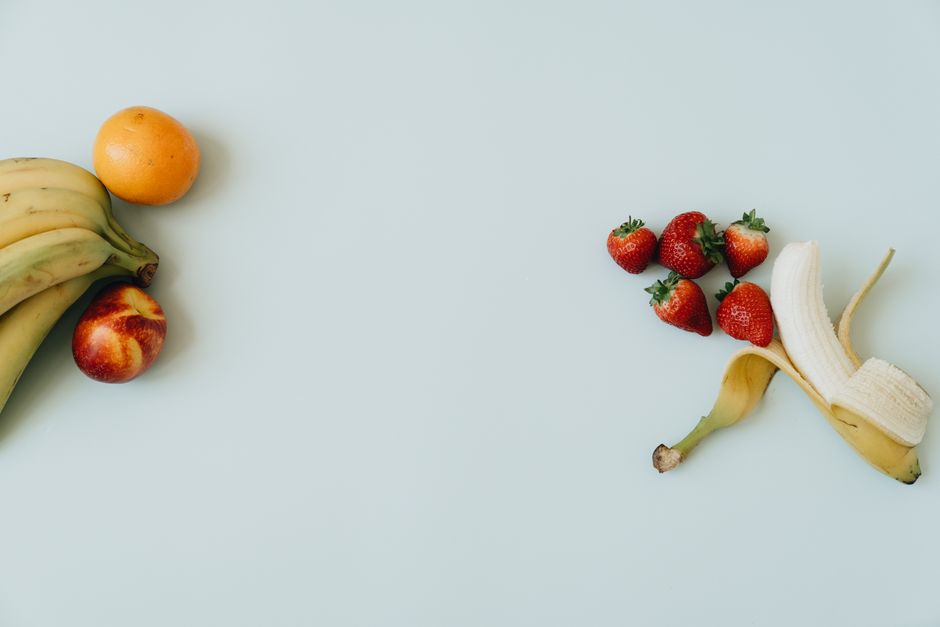
You’ve stood in the produce aisle weighing the same two options for weeks. Both are cheap, easy to grab, and fit in your bag. But when the scale won’t budge, the choice between these two fruits suddenly feels more important than it should.
Are bananas or apples better for weight loss? Apples are the stronger choice for weight loss because they have fewer calories per serving and a higher water content that increases fullness. A medium apple has roughly 95 calories while a medium banana has about 105, and the difference in fiber and density means apples keep you satisfied longer on fewer calories.
This comparison gets repeated in diet circles constantly, but most of the advice you’ll read misses the bigger picture. The real question is not which fruit is “better” in some absolute sense, but how each one fits into your daily calorie pattern and your personal eating habits. Your brain, your blood sugar, and your cravings all respond differently to these two fruits.
In this article, you’ll get the actual nutrition breakdown, the honest science on fullness and blood sugar, and practical guidance on when each fruit makes sense. No cherry-picked studies, no fear-mongering about sugar — just the facts that help you decide.
Key Points at a Glance
| Point | What It Means | Why It Matters |
|---|---|---|
| Calories | Apple: ~95 kcal, Banana: ~105 kcal | Small difference, but it adds up over weeks |
| Fiber | Apple: 4g, Banana: 3g | Fiber slows digestion and supports fullness |
| Water content | Apple: ~86%, Banana: ~75% | Higher water increases volume without calories |
| Blood sugar impact | Banana raises glucose faster, especially when ripe | Can trigger cravings in some people |
| Practical fit | Banana is portable; apple takes more chewing | Satisfaction and convenience drive consistency |
What Does the Calorie Difference Actually Mean for Weight Loss?
Weight loss comes down to a consistent calorie deficit, and fruit choices contribute to that equation. A medium apple provides about 95 calories while a medium banana provides about 105, according to USDA data. That ten-calorie gap is small, but over a month of daily consumption, it equals roughly 300 calories — about a third of a pound of fat.
The more meaningful difference is volume. An apple takes up more space in your stomach for fewer calories because it contains more water and air. This is called energy density, and research consistently shows that foods with lower energy density promote greater fullness and lower overall calorie intake at the next meal.
Practical note: I weigh my fruit when I’m tracking closely. The difference between a small and large banana can be 60 calories — that’s the kind of gap that quietly derails a weekly deficit.
How Do Fiber and Blood Sugar Compare Between These Fruits?
Fiber is the nutrient that makes fruit worth eating during weight loss. An apple contains about 4 grams of fiber, while a banana contains about 3 grams. Apples also contain pectin, a soluble fiber that forms a gel in your gut and slows stomach emptying, which extends the feeling of fullness.
The blood sugar story is more complex. Bananas have a higher glycemic index, meaning they raise blood glucose faster than apples, particularly when the banana is ripe and spotted. For people who experience energy crashes or cravings after sweet foods, that rapid rise and fall can make sticking to a calorie deficit harder. Apples produce a gentler glucose response, which some studies suggest helps with appetite control.
Here is the honest part: the evidence on glycemic index and weight loss is mixed. Some studies show benefits for lower-glycemic foods, while others find no meaningful difference when calories are matched. What matters more is whether the fruit you choose keeps you satisfied without triggering a snacking spiral later.
Are Bananas or Apples Better for Weight Loss When You Factor in Satiety?
Are bananas or apples better for weight loss when you compare how full each fruit keeps you? The research leans toward apples. One well-known study had participants eat apple slices, applesauce, or apple juice before a meal, and the whole apples led to significantly lower calorie intake at that meal. The fiber and structure of the whole fruit triggered stronger fullness signals.
Bananas have their own satiety advantage, though. They contain resistant starch when slightly green, which acts like fiber and feeds beneficial gut bacteria. A firmer banana also takes more chewing, which gives your brain time to register fullness. The catch is that most people eat bananas fully ripe, when resistant starch has converted to simple sugars.
My honest observation from working with clients: apples work better as a snack between meals, while bananas work better as a pre-workout fuel or blended into a meal replacement smoothie. The context of how you eat the fruit matters as much as the fruit itself.
What About Portion Control and Practical Eating Habits?
Portion control is where bananas can trip people up. A “medium” banana is about 7 inches long, but grocery stores routinely stock bananas that are 9 inches or longer, packing 130 to 150 calories. An apple is easier to gauge by eye, and its volume naturally limits how much you can eat in one sitting.
That said, the best fruit for weight loss is the one you will actually eat consistently. If you despise apples and love bananas, an apple that goes uneaten provides zero benefit. The research on dietary adherence is clear: sustainable habits beat perfect choices.
Practical note: If you’re a banana person, buy the smaller bunches and choose ones that are still slightly green at the tips. That keeps resistant starch higher and slows the sugar spike.
How Should You Choose Between Apples and Bananas for Your Goals?
Choose apples if your main struggle is between-meal hunger or if you tend to eat quickly without feeling satisfied. The higher water content and pectin fiber make apples the stronger appetite suppressant for most people. Choose bananas if you need quick energy before a workout or if you’re building a smoothie that needs creaminess and natural sweetness.
Neither fruit will make or break your weight loss by itself. The total calories you eat across the day, your protein intake, and your sleep and activity levels all matter far more than which fruit lands in your lunch bag. Use the fruit you enjoy as part of a deficit, and the results will follow.
If you want to know exactly how many calories you need each day to lose weight at a healthy pace, use our TDEE Calculator to get your personalized number. That daily target matters more than any single food choice you make.
Related Articles
Frequently Asked Questions
Which fruit has more sugar, an apple or a banana?
A medium banana contains about 14 grams of sugar while a medium apple contains about 19 grams. However, the banana’s sugar is absorbed faster because it contains less fiber and water to slow digestion.
Can eating apples at night interfere with weight loss?
No, eating an apple at night will not interfere with weight loss as long as you stay within your daily calorie target. The timing of fruit consumption matters far less than your total daily intake.
Are green bananas better for weight loss than ripe ones?
Green bananas contain more resistant starch, which acts like fiber and may increase fullness. Ripe bananas taste sweeter and raise blood sugar faster, which can trigger cravings in some people.
Is apple juice as good as a whole apple for weight loss?
No, apple juice is not comparable to a whole apple because juicing removes most of the fiber. Research shows whole apples reduce calorie intake at the next meal significantly more than applesauce or juice.
How many apples or bananas can I eat per day while losing weight?
Most people can eat one to two servings of fruit per day within a healthy weight loss diet. Focus on total calories rather than limiting fruit, since fruit intake is associated with better weight management.
Do bananas cause belly fat specifically?
No food, including bananas, causes fat storage in a specific body area. Excess calories from any source contribute to overall fat gain, and spot reduction is not supported by research.

The TDEECAL Team writes about nutrition, metabolism, and fat loss the way we built our calculator, with real numbers and no hype. We dig into the research so you don’t have to guess.