Is How to Prepare Matcha Tea for Weight Loss Good for Weight Loss?
Matcha is more than a trendy green drink. It contains a specific type of antioxidant called catechins, and one in particular, EGCG, gets most of the attention. The honest answer is that matcha alone will not cause weight loss, but it can be a helpful part of a calorie-controlled diet. The key is how you prepare it, because adding milk, sugar, and syrups can turn a low-calorie drink into a dessert.
The real benefit of matcha for weight management comes from swapping it for high-calorie beverages like lattes or sodas. A plain cup of matcha made with just water has roughly 2 to 4 calories. Research on matcha and metabolism shows a small increase in calorie burning, but the effect is modest and not enough to overcome a poor diet. The most practical way to use matcha for weight loss is as a satisfying, warm drink that helps you stick to your daily calorie target.
Most generic advice online tells you to whisk powder and hot water, but that often leads to a bitter, clumpy drink. This guide covers the exact water temperature, the right whisking technique, and the best add-ins that keep calories low without sacrificing taste. You will also learn how to avoid the common preparation mistakes that add hidden calories.
Key Points at a Glance
| Point | What It Means | Why It Matters |
|---|---|---|
| Calories | Plain matcha with water has about 2 to 4 calories per serving. | It replaces high-calorie drinks without adding to your daily total. |
| Metabolism | Matcha may slightly increase calorie burn, but the effect is small. | Do not expect weight loss from matcha alone. |
| Preparation | Water temperature and whisking affect taste and texture. | Proper technique makes plain matcha drinkable without sweeteners. |
| Add-ins | Milk, sugar, and honey add significant calories. | Keep add-ins minimal to preserve the calorie advantage. |
| Caffeine | Matcha contains about 30 to 50 mg of caffeine per teaspoon. | It can replace coffee and may help control appetite for some people. |
Does Matcha Actually Boost Metabolism?
Some studies suggest that green tea catechins, especially EGCG, can increase energy expenditure slightly. The effect is real but small, often around 3 to 4 percent of daily calorie burn. That translates to roughly 50 to 80 extra calories per day for an average woman, which is not enough to create significant weight loss on its own.
The research on this topic is mixed. Some studies show a modest benefit, while others find no meaningful difference. The strongest results appear when matcha is combined with caffeine, which is why the natural caffeine in matcha matters. But the evidence does not support the idea that drinking matcha will melt fat while you sit still.
I always tell my readers to think of matcha as a tool, not a solution. If you replace a 300-calorie caramel latte with a plain matcha, you save 300 calories. That is where the real weight loss power comes from.
What Is the Best Way to Prepare Matcha Tea?
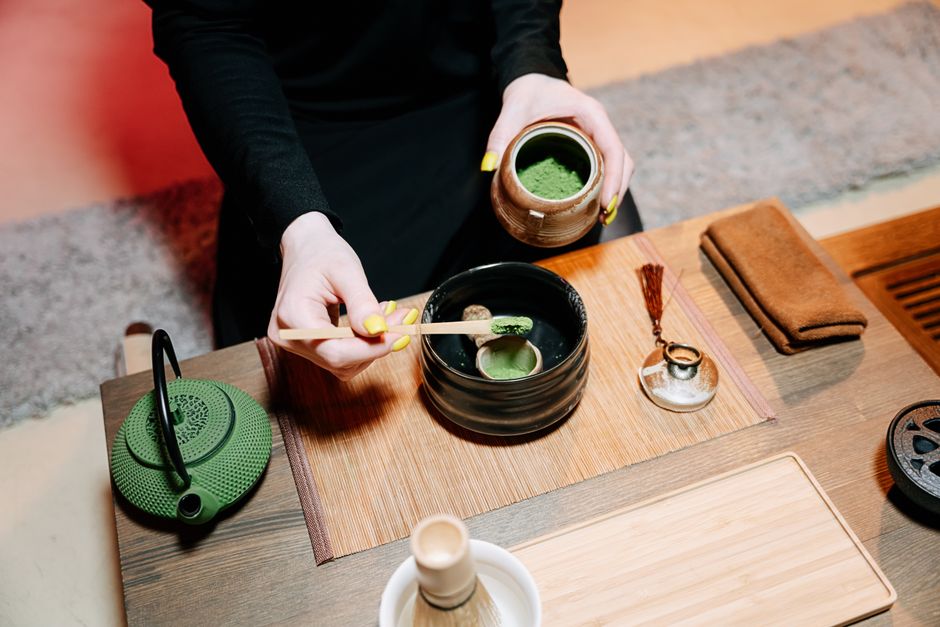
The traditional method produces the smoothest, least bitter cup. Start with one teaspoon of matcha powder, about 2 grams, in a bowl or mug. Add two ounces of hot water at 160 to 175 degrees Fahrenheit, not boiling. Boiling water scorches the powder and creates a harsh, bitter flavor.
Whisk the mixture in a zigzag motion using a bamboo whisk, or use a small electric frother if you have one. The goal is a smooth, frothy layer on top with no lumps at the bottom. After the paste is smooth, add six to eight ounces of hot or cold water, depending on your preference.
Which Add-Ins Keep Matcha Low in Calories?
Plain matcha is an acquired taste, and many people add sweeteners to make it palatable. That is fine, but be aware of the calorie cost. One tablespoon of honey adds about 60 calories. A cup of whole milk adds roughly 150 calories. These additions can quickly turn your weight loss drink into a weight gain drink.
If you need sweetness, consider a zero-calorie sweetener like stevia or monk fruit. For a creamier texture, a splash of unsweetened almond milk adds only about 15 calories per two tablespoons. The goal is to keep the total drink under 50 calories so it fits easily into any weight loss plan.
I have found that a pinch of cinnamon or a drop of vanilla extract adds perceived sweetness without any calories. These small tweaks make plain matcha much more enjoyable without undermining your calorie budget.
How Much Matcha Should You Drink for Weight Loss?
Most research on green tea catechins uses doses of 200 to 300 mg of EGCG per day. One teaspoon of matcha provides roughly 60 to 80 mg of EGCG, so you would need three to four teaspoons per day to match those study doses. That is a lot of matcha and may cause jitteriness from the caffeine.
A more realistic approach is one to two cups per day. This provides a moderate caffeine boost and a reasonable amount of catechins without overdoing it. No established clinical guideline exists for a specific matcha dose for weight loss, so treat these numbers as general guidance, not a prescription.
Listen to your body. If you feel anxious, have trouble sleeping, or experience stomach upset, reduce your intake. Matcha contains more caffeine than regular green tea, and sensitivity varies widely from person to person.
Frequently Asked Questions
Related Articles
How to prepare matcha tea for weight loss without sugar?
Whisk one teaspoon of matcha powder with two ounces of hot water at 160 to 175 degrees Fahrenheit until frothy, then add six to eight ounces of hot or cold water. Use a zero-calorie sweetener like stevia or a pinch of cinnamon instead of sugar to keep the drink under 50 calories.
Does matcha burn belly fat specifically?
No strong clinical evidence supports the claim that matcha targets belly fat specifically. Weight loss from matcha comes from replacing higher-calorie drinks and the small metabolic boost from catechins and caffeine.
Is it better to drink matcha hot or cold for weight loss?
Temperature does not change the calorie content or the metabolic effects of matcha. Choose hot or cold based on your preference, but avoid adding sugary syrups or sweetened milk to either version.
Can matcha replace coffee for weight loss?
Yes, matcha can replace coffee, and it provides a smoother caffeine release due to the amino acid L-theanine. The weight loss benefit comes from avoiding the cream and sugar often added to coffee drinks.
How many calories are in a matcha latte from a coffee shop?
A typical 16-ounce matcha latte with whole milk and sweetener contains 200 to 300 calories. Making matcha at home with water or unsweetened almond milk reduces that to under 50 calories.
Should you drink matcha before or after exercise?
Some evidence suggests caffeine before exercise can improve performance and fat burning during the workout. Drinking matcha 30 to 60 minutes before exercise is a reasonable approach, though results vary by individual.
Remember to calculate your personal calorie needs with our TDEE calculator to see how matcha fits into your daily target.

The TDEECAL Team writes about nutrition, metabolism, and fat loss the way we built our calculator, with real numbers and no hype. We dig into the research so you don’t have to guess.