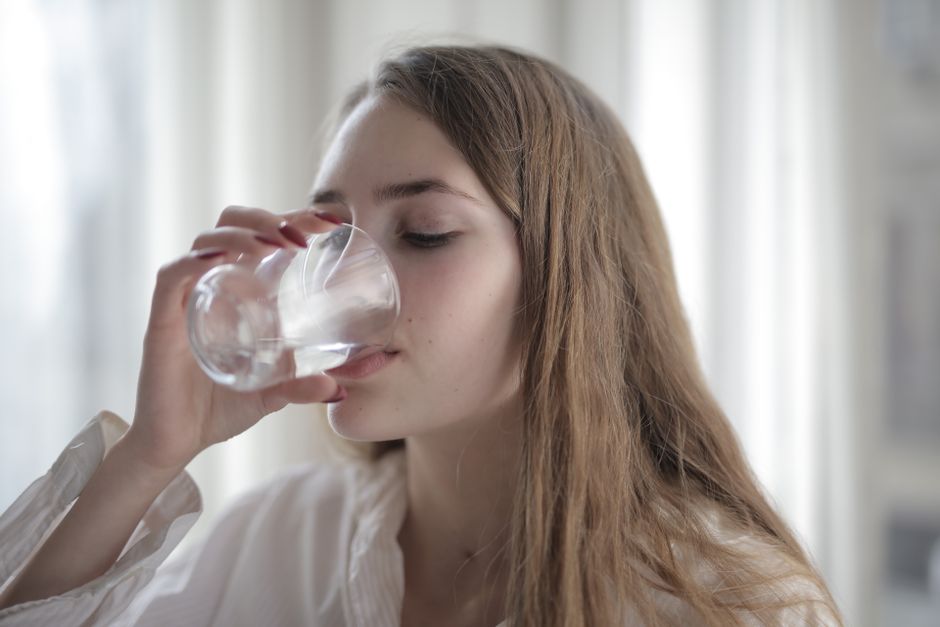
Most people trying to lose weight don’t realize that thirst is often mistaken for hunger, which leads to unnecessary snacking throughout the day. For anyone focused on weight loss, the direct answer is that you should drink roughly half your body weight in ounces of water daily, with most women needing between 64 and 80 ounces. This means a 150-pound woman should aim for about 75 ounces of water per day, though activity level, climate, and overall health can shift that number up or down. The science on how much water to drink centers on water’s role in metabolism, appetite control, and the simple fact that replacing sugary drinks with water cuts hundreds of calories from your weekly intake.
This article breaks down the actual research behind hydration and weight loss, without the hype you see on social media. You will learn why the “8 glasses a day” rule is a starting point, not a finish line, and how your individual body size changes the math. We will also cover practical signs of dehydration, how to time your water intake around meals, and honest answers to the most common hydration questions women ask during weight loss.
Key Points at a Glance
| Point | What It Means | Why It Matters |
|---|---|---|
| Base Water Intake | Half your body weight in ounces daily | Provides a personalized starting target that beats generic advice |
| Appetite Control | Drinking water before meals reduces calorie intake | Helps you eat less without feeling deprived at mealtime |
| Metabolic Effect | Water temporarily increases resting energy expenditure | Supports a modest boost in daily calorie burn |
| Beverage Swaps | Replacing soda and juice with water cuts liquid calories | Eliminates the easiest source of hidden calories in most diets |
| Hydration Signals | Dark urine and dry mouth mean you are already dehydrated | Helps you adjust intake before fatigue and cravings set in |
Does Drinking Water Actually Help You Lose Weight?
Yes, but the effect is modest and works best alongside a calorie-controlled diet. Research consistently shows that drinking water before meals leads to reduced food intake, particularly in middle-aged and older adults. One study found that participants who drank water before each meal lost more weight over 12 weeks than those who did not, and the difference came down to eating fewer calories at mealtime.
Water also plays a role in lipolysis, the process where your body breaks down stored fat for energy. Some studies suggest that adequate hydration supports this process, though the effect is small compared to diet and exercise. The practical takeaway is that water is a useful tool in your weight loss plan, not a standalone solution.
How Much Water to Drink Everyday for Weight Loss
The most reliable formula for weight loss is to drink half your body weight in ounces of water daily. A 160-pound woman would target 80 ounces, which equals ten standard 8-ounce glasses. This baseline assumes moderate activity and a temperate climate, so you need more on hot days or when you exercise.
Your total fluid intake includes water from food and other beverages, but plain water should make up the majority. Coffee and tea count toward your total, though their caffeine content has a mild diuretic effect that does not cancel out their hydrating benefits. If you are struggling to hit your target, add a glass of water with each meal and one between meals as a starting structure.
When Should You Drink Water for the Best Results?
Timing matters more than most people think. Drinking 16 ounces of water about 30 minutes before each meal helps you feel fuller and naturally eat less at that meal. This pre-meal habit is one of the most consistent findings in hydration research for weight management.
Spreading your intake across the day is better than chugging large amounts at once. Your kidneys can only process about 27 to 34 ounces per hour, so drinking too much too quickly just leads to frequent bathroom trips without added benefit. Aim for a glass of water every couple of hours, and always drink extra after exercise or time spent outdoors in heat.
What Are the Signs You Are Not Drinking Enough?
Thirst is actually a late signal, meaning you are already mildly dehydrated by the time you feel it. Earlier signs include fatigue, headaches, dry skin, and difficulty concentrating, all of which can be mistaken for hunger or low energy. Many women report that their sugar cravings drop noticeably when they consistently meet their water target.
Constipation and dark urine are more obvious indicators that your intake is too low. If you notice these signs, increase your water gradually over a few days rather than trying to catch up all at once. Your body will adapt, and the frequent urination that comes with increasing intake typically settles within a week.
Does Water Temperature or Type Matter for Weight Loss?
Temperature has a minor effect. Drinking cold water burns a few extra calories because your body warms it to core temperature, but the amount is negligible for weight loss purposes. Choose whatever temperature makes you drink more consistently.
Plain water is the best choice because it has zero calories. Flavored sparkling waters are acceptable, but be cautious with any beverage containing artificial sweeteners, as research on their effect on appetite is mixed. Some studies suggest sweetened drinks, even zero-calorie ones, may keep your preference for sweet flavors active, which can undermine healthy eating habits.
Related Articles
Frequently Asked Questions
Can drinking more water really suppress my appetite?
Yes, particularly when you drink water 30 minutes before meals. Studies show this leads to reduced calorie intake at that meal, though the effect is stronger in adults over 40.
Is it possible to drink too much water while trying to lose weight?
Yes, though it is rare. Drinking excessive amounts in a short period can cause hyponatremia, a dangerous drop in blood sodium, so keep your intake spread across the day.
Does tea or coffee count toward my daily water goal?
Yes, both count toward your total fluid intake. Their caffeine content has a mild diuretic effect, but they still provide net hydration.
How quickly will I see results from increasing my water intake?
You may notice reduced bloating and fewer cravings within a few days. Weight loss from water alone is modest, so expect changes to show up over several weeks.
Should I drink more water on days I exercise?
Yes, add roughly 8 to 16 ounces for each hour of moderate exercise. Sweat losses need to be replaced to maintain performance and recovery.
Does drinking water speed up my metabolism?
Drinking water temporarily increases the calories your body burns at rest, but the effect is small. It supports weight loss but does not replace a calorie deficit.
To get a more precise daily calorie target for your weight loss plan, use our TDEE Calculator to see how your hydration and nutrition goals fit together.

The TDEECAL Team writes about nutrition, metabolism, and fat loss the way we built our calculator, with real numbers and no hype. We dig into the research so you don’t have to guess.