Which Fruits Actually Help With Weight Loss?
Most people assume all fruit is equally good for weight loss, but that’s not quite true. The best choices are fruits with high water content, plenty of fiber, and a lower sugar load per serving.
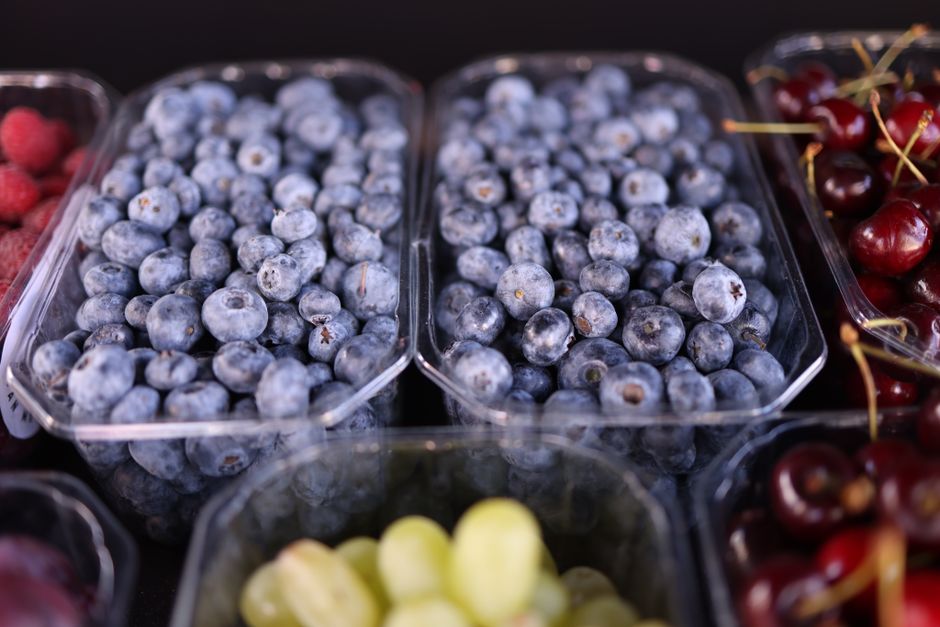
So what fruit is healthy for weight loss? Berries, apples, pears, and citrus fruits lead the pack. These options deliver the most volume and fiber for the fewest calories, which helps you feel full longer. That fullness is the real key—not some special fat-burning property in the fruit itself.
This article breaks down which fruits work best, why they work, and how to eat them without accidentally overdoing the sugar. Most lists just tell you “eat fruit” without explaining the differences. You’ll get the practical details here, including portion sizes and the one mistake people make most often with dried fruit.
Key Points at a Glance
| Point | What It Means | Why It Matters |
|---|---|---|
| Berries are the top choice | Strawberries, blueberries, raspberries have the most fiber per calorie | Fiber slows digestion and keeps you satisfied longer |
| Whole fruit beats juice | Juice removes fiber and concentrates sugar | A glass of orange juice has double the sugar of a whole orange |
| Portion size still matters | Fruit calories add up even with healthy choices | A cup of grapes and a cup of berries differ by about 40 calories |
| Dried fruit is a trap | Drying removes water and shrinks volume | You can eat 300 calories of raisins before feeling full |
What Makes a Fruit Good for Weight Loss?
Three factors determine how well a fruit supports weight loss: fiber content, water content, and sugar density. Fiber and water add bulk without calories. Sugar adds calories without bulk. The ratio between these determines how filling a fruit is per calorie.
Berries average about 60 calories per cup with 8 grams of fiber. Bananas run about 105 calories each with only 3 grams of fiber. Both are healthy, but berries give you more satiety for the same calorie cost. That difference matters when you’re managing a calorie deficit.
My personal observation after years of tracking food: people who swap bananas for berries in their morning oatmeal report feeling equally full while cutting roughly 50 calories. Small swaps like this add up over a week to real progress.
How Many Calories Are in the Best Weight Loss Fruits?
Here are the calorie and fiber numbers for the fruits that consistently show up in weight management research. These are approximate values based on USDA data and vary slightly by size and variety.
- Strawberries: roughly 50 calories per cup, 3 grams fiber
- Blueberries: roughly 85 calories per cup, 4 grams fiber
- Raspberries: roughly 65 calories per cup, 8 grams fiber
- Apple (medium): roughly 95 calories, 4 grams fiber
- Pear (medium): roughly 100 calories, 6 grams fiber
- Orange (medium): roughly 65 calories, 3 grams fiber
- Grapefruit (half): roughly 50 calories, 2 grams fiber
The pattern is clear. Fruits with edible skins and seeds—apples, pears, berries—deliver more fiber than fruits you peel. That fiber is what slows sugar absorption and extends fullness.
One thing I tell everyone: eat the apple skin. I see people peel apples out of habit, and they’re throwing away half the fiber benefit. The skin also contains compounds that some research suggests support metabolic health.
Is What Fruit is Healthy for Weight Loss Different From What’s Healthy Overall?
Not really. The fruits that help with weight loss are the same fruits that support general health. The difference is emphasis. For weight loss, you prioritize lower-calorie, higher-fiber options. For general health, you want variety across all fruit types.
Bananas and mangoes are perfectly healthy. They just pack more calories per serving than berries or melon. If you love bananas, keep eating them—just account for the calories in your daily total. No fruit is “bad.” Some are just more efficient for weight loss than others.
What fruit is healthy for weight loss also depends on how you eat it. A whole apple with peanut butter is a balanced snack. The same apple juiced with added sugar becomes a calorie bomb. Preparation matters as much as the fruit itself.
What About Fruit Sugar and Blood Sugar Spikes?
Fruit contains natural sugar called fructose. Unlike added sugar, it comes packaged with fiber, water, and various plant compounds. That packaging changes how your body processes it. The fiber slows absorption, which prevents the rapid blood sugar spike you get from soda or candy.
Some research suggests that whole fruit consumption is associated with lower diabetes risk, even though fruit contains sugar. The key phrase there is “whole fruit.” Fruit juice shows the opposite pattern—higher consumption links to increased diabetes risk.
The glycemic index of fruit varies widely. Watermelon and pineapple rank higher. Berries and apples rank lower. If you have diabetes or prediabetes, choose lower-glycemic options more often. If you’re generally healthy, the differences are minor compared to your overall diet quality.
Frequently Asked Questions
Related Articles
Frequently Asked Questions
What fruit is healthy for weight loss?
Berries, apples, pears, and citrus fruits are the best choices because they offer the most fiber and water per calorie. These fruits keep you full longer than higher-sugar options like bananas or grapes.
How much fruit should I eat per day for weight loss?
Most dietary guidelines suggest 1.5 to 2 cups of fruit daily for adults. For weight loss, aim for the lower end and choose mostly lower-calorie options like berries and melon.
Is eating fruit at night bad for weight loss?
No strong clinical evidence supports the claim that evening fruit causes weight gain. Your total daily calorie intake matters far more than the timing of your fruit consumption.
Are bananas too high in sugar for weight loss?
A medium banana contains about 14 grams of natural sugar and 105 calories, which fits into most weight loss plans. The issue is portion control, not the banana itself.
Does fruit juice count as a serving of fruit?
Juice loses most of the fiber and concentrates the sugar, so it doesn’t provide the same satiety benefits as whole fruit. Nutrition guidelines recommend whole fruit over juice whenever possible.
Can I eat unlimited fruit when trying to lose weight?
No food is unlimited when you’re managing calories. Fruit is nutrient-dense, but calories still count. A pound of grapes has roughly 300 calories, which is a substantial snack.
Before you go, check your daily calorie needs with our TDEE calculator. Knowing your maintenance calories makes it much easier to plan fruit portions that fit your goals rather than guessing.

The TDEECAL Team writes about nutrition, metabolism, and fat loss the way we built our calculator, with real numbers and no hype. We dig into the research so you don’t have to guess.