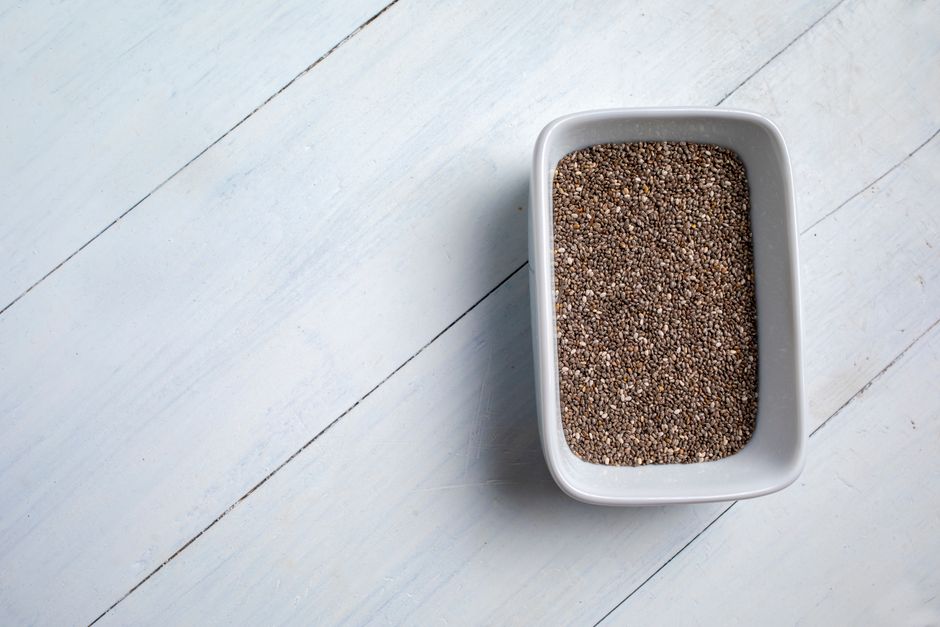
How and When to Eat Chia Seeds for Weight Loss
Most people make the same chia seed mistake: they sprinkle them on yogurt and expect results. The real benefit comes from how you prepare them and when you time them around your meals.
The direct answer to how and when to eat chia seeds for weight loss is this: eat one to two tablespoons daily, always soaked in liquid for at least 15 minutes, and time them 20 to 30 minutes before meals to help control appetite. The soluble fiber in soaked chia seeds forms a gel that slows digestion and keeps you fuller longer. Consistency matters more than timing perfection.
Chia seeds are one of the most fiber-dense foods you can add to a weight loss plan. A single ounce delivers about 10 grams of fiber, which is roughly a third of the daily recommended intake for most women. That fiber is why chia seeds work for appetite control — but only if you prepare them correctly.
Key Points at a Glance
| Point | What It Means | Why It Matters |
|---|---|---|
| Portion size | 1–2 tablespoons per day | More than this adds calories without extra benefit |
| Soaking time | Minimum 15 minutes in liquid | Unsoaked seeds can absorb fluid in your throat and cause choking risk |
| Best timing | 20–30 minutes before meals | Gives the gel time to form and signal fullness before you eat |
| Calorie content | Roughly 60–70 calories per tablespoon | Still counts toward your daily calorie budget |
| Liquid pairing | Water, milk, or yogurt all work | Liquid type changes the texture but not the fiber benefit |
Does Soaking Chia Seeds Actually Matter for Weight Loss?
Yes, soaking changes everything about how chia seeds work in your body. Dry chia seeds pass through your digestive system mostly intact, which means you absorb less of their fiber and nutrients. Soaked seeds form a gel that slows stomach emptying and extends the feeling of fullness after eating.
The texture difference is noticeable. I always soak mine for at least 20 minutes in almond milk with a pinch of cinnamon — the longer soak creates a pudding-like consistency that feels more like a meal than a sprinkle. That texture change is exactly what makes them useful for appetite control.
The practical rule is simple: never eat dry chia seeds. The gel that forms in your stomach from dry seeds can expand in your esophagus and cause choking, especially in older adults. Soaking for 15 to 30 minutes eliminates that risk entirely.
When Is the Best Time to Eat Chia Seeds for Appetite Control?
The most evidence-backed timing is 20 to 30 minutes before your main meals. This gives the soluble fiber time to absorb liquid and form the gel that signals fullness to your brain. Some research suggests this pre-meal strategy helps people eat fewer calories at the following meal, though results vary by individual.
A second option that works well is eating chia seeds as a breakfast pudding. Starting your day with a fiber-dense meal can reduce hunger throughout the morning and prevent mid-morning snacking. This approach works best when you pair chia seeds with protein, like Greek yogurt or milk.
How Much Chia Seeds Should You Eat Per Day for Weight Loss?
One to two tablespoons per day is the amount most often studied in weight management research. That equals roughly 60 to 140 calories depending on whether you use one or two tablespoons. Some studies suggest two tablespoons may offer slightly better appetite control, but the difference is small.
Start with one tablespoon daily for the first week. This lets your digestive system adjust to the sudden increase in fiber, which can cause bloating and gas if you add too much too quickly. Increase to two tablespoons only if you tolerate the first week well.
The calories in chia seeds still count toward your daily total. They are not a free food. Adding chia seeds to an already balanced diet without cutting anything else will not produce weight loss on its own.
What Is the Best Way to Prepare Chia Seeds for Weight Loss?
The simplest preparation is mixing one to two tablespoons with eight to ten ounces of liquid and letting it sit for 15 to 30 minutes. Water works fine, but milk, almond milk, or yogurt add protein that improves satiety. Stir once after five minutes to break up any clumps.
Chia pudding is the most popular preparation: combine chia seeds with milk, a sweetener of your choice, and flavorings like vanilla or cocoa, then refrigerate overnight. The result is a thick pudding that works as breakfast or a snack. I find that adding a tablespoon of Greek yogurt to my overnight pudding makes it noticeably more filling.
You can also add soaked chia seeds to smoothies, oatmeal, or soups. The key is always the same: let them soak before eating. Blending chia seeds into a smoothie counts as soaking because the liquid surrounds each seed during blending.
Frequently Asked Questions
Related Articles
Can chia seeds help you lose belly fat specifically?
No food targets belly fat specifically, and chia seeds are no exception. Weight loss from chia seeds comes from overall calorie reduction through appetite control, not spot reduction.
Is it better to eat chia seeds in the morning or at night?
Morning consumption helps control appetite throughout the day, which most research supports for weight management. Night consumption offers no proven advantage for weight loss.
Can you eat chia seeds dry without soaking them?
No, eating dry chia seeds is unsafe because they can expand in your throat and cause choking. Always soak them in liquid for at least 15 minutes before eating.
How many calories are in a tablespoon of chia seeds?
One tablespoon of chia seeds contains roughly 60 to 70 calories depending on the brand. Two tablespoons provide about 120 to 140 calories.
Do chia seeds suppress appetite for everyone?
No, the appetite-suppressing effect varies by person and depends on your overall diet. Some people notice significant fullness, while others see little change.
Can chia seeds replace a meal for weight loss?
Chia seeds alone do not provide enough protein, fat, or calories to replace a balanced meal. Using them as a meal replacement without other nutrients can lead to nutrient deficiencies.
Calculate your personal calorie needs for weight loss with our TDEE calculator to see where chia seeds fit into your daily budget.

The TDEECAL Team writes about nutrition, metabolism, and fat loss the way we built our calculator, with real numbers and no hype. We dig into the research so you don’t have to guess.