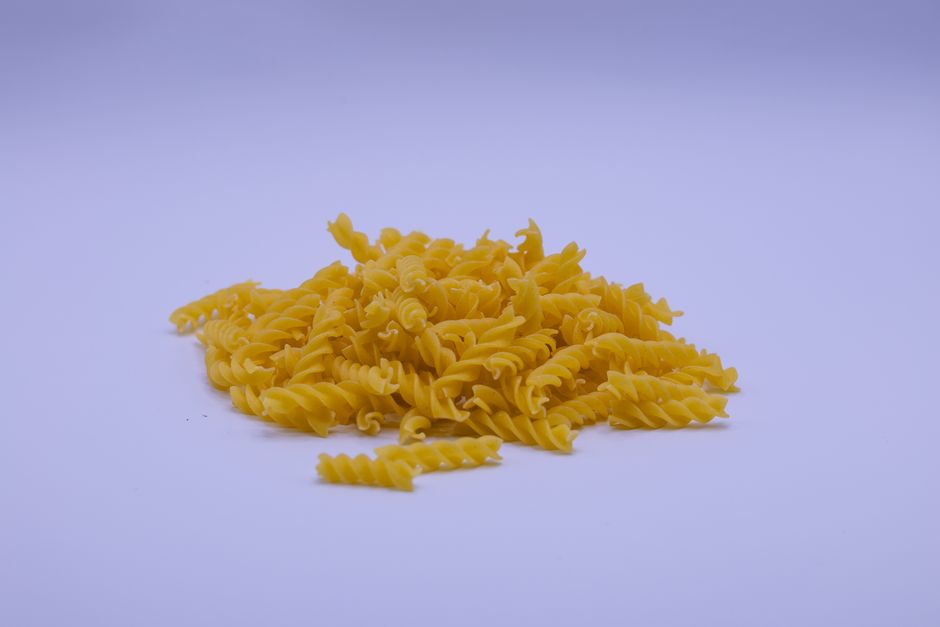
Most people assume pasta is the first food to cut when trying to lose weight. But the type of pasta you choose can change how full you feel and how your blood sugar responds after a meal.
When it comes to weight loss, the best choice is a legume-based pasta made from chickpeas, lentils, or black beans. These pastas are higher in protein and fiber than traditional wheat pasta, which helps you feel full longer and keeps your appetite in check. Research consistently shows that higher protein and fiber intake supports weight management by reducing overall calorie intake at subsequent meals.
This matters because weight loss success often comes down to managing hunger, not just counting calories. Most people who struggle with pasta-based meals report feeling hungry an hour or two after eating. Swapping your regular noodles for a legume version addresses that problem directly without asking you to give up pasta altogether.
This article covers which specific types of pasta perform best, how to read nutrition labels correctly, and practical ways to make the switch without feeling like you are eating diet food. You will also learn why portion size still matters even with the healthier options.
Key Points at a Glance
| Point | What It Means | Why It Matters |
|---|---|---|
| Legume pasta wins | Chickpea, lentil, and black bean pastas have more protein and fiber | Keeps you full longer and reduces snacking later |
| Protein content | Legume pastas have 2-3 times more protein than wheat pasta | Protein is the most satiating macronutrient |
| Fiber difference | Legume pastas have 2-4 times more fiber per serving | Slows digestion and stabilizes blood sugar |
| Portion control still matters | All pasta is calorie-dense by volume | Even healthy pasta can stall weight loss if portions are too large |
What Makes One Pasta Better Than Another for Weight Loss?
The key difference comes down to three numbers on the nutrition label: protein, fiber, and calories per serving. Traditional white pasta has roughly 7 grams of protein and 2-3 grams of fiber per 2-ounce dry serving. Legume-based pastas typically provide 11-14 grams of protein and 5-8 grams of fiber in the same serving size.
That difference changes how your body processes the meal. Higher protein and fiber slow down digestion, which means glucose enters your bloodstream more gradually. Some studies suggest this steadier blood sugar response reduces cravings and helps you feel satisfied with fewer calories overall.
I always check the label for the protein-to-calorie ratio. A pasta that gives you at least 10 grams of protein per 200 calories is a solid choice for weight loss.
Which Type of Pasta Is Best for Weight Loss: Legume, Whole Wheat, or Regular?
Legume-based pasta is the clear winner for weight loss purposes. Chickpea pasta, lentil pasta, and black bean pasta all outperform whole wheat and regular semolina pasta on protein and fiber content. They also have a lower glycemic response, meaning they do not spike your blood sugar as dramatically after eating.
Whole wheat pasta is a reasonable middle ground. It has about double the fiber of white pasta but still falls short on protein. Regular white pasta is the weakest option because it is mostly refined starch that digests quickly and leaves you hungry sooner.
One honest drawback: legume pastas have a different texture. They are slightly firmer and can taste earthier than traditional pasta. If you are used to soft white noodles, the first few meals will feel different. Most people adapt within a week.
In my experience, cooking legume pasta for one to two minutes less than the package suggests keeps the texture closer to al dente and prevents it from turning mushy.
How Much Pasta Can You Eat and Still Lose Weight?
Portion size determines whether any pasta helps or hurts your weight loss efforts. A standard serving is 2 ounces of dry pasta, which cooks to about 1 cup. That serving provides roughly 180-200 calories for wheat pasta and 190-210 calories for legume pasta, depending on the brand.
For weight loss, most women do well with one serving of pasta as the base of a meal, not the main event. Fill half your plate with vegetables, add a palm-sized portion of lean protein, and keep the pasta to about one cup cooked. This creates a balanced meal that is satisfying without being calorie-heavy.
Use a food scale at least once to see what 2 ounces of dry pasta actually looks like. Most people are surprised — it is significantly smaller than the heaping plate they are used to serving.
No established clinical guideline exists for a specific pasta portion for weight loss, but the USDA defines a standard grain serving as 1 ounce equivalent, which is about half a cup of cooked pasta.
How to Make Pasta Meals More Filling Without Adding Calories
The biggest mistake people make is treating pasta as the whole meal. A bowl of plain noodles with sauce is mostly carbohydrates, which digests quickly and leaves you hungry soon after. Adding vegetables and protein changes the meal completely.
Try adding a cup of roasted vegetables like zucchini, bell peppers, or broccoli to your pasta dish. These add volume and fiber for very few calories. Add a protein source like grilled chicken, shrimp, or tofu to boost satiety further.
Another effective strategy is to use less pasta and more vegetables. Half the amount of pasta you normally cook, then bulk the dish with vegetables. You get the same visual volume on your plate with significantly fewer calories.
One trick I use regularly: spiralized zucchini or butternut squash mixed half-and-half with regular pasta. You still get the noodle experience, but the vegetable content increases the fiber and water volume substantially.
Some research suggests that eating vegetables before the carbohydrate portion of a meal can improve blood sugar control. This is an easy habit to adopt — start your meal with a salad or vegetable side dish.
What About Low-Carb or Konjac Noodles?
Konjac noodles, sometimes called shirataki noodles, are made from glucomannan fiber and contain almost zero digestible carbohydrates. They are extremely low in calories, around 10-15 calories per serving. However, they have a very different texture that many people find difficult to enjoy.
Konjac noodles can be a useful tool for people who want the volume of a large pasta meal without the calories. But they lack protein and most nutrients, so they need to be paired with substantial protein and vegetables to make a complete meal.
There is no strong clinical evidence showing konjac noodles are superior to legume pasta for weight loss. The evidence is mixed on whether glucomannan supplements meaningfully reduce body weight. Some studies show modest effects, while others show no significant difference.
If you enjoy the texture of konjac noodles, they can work for you. If not, legume pasta is a more realistic long-term choice because it tastes closer to traditional pasta.
Frequently Asked Questions
Related Articles
Is chickpea pasta actually good for weight loss?
Yes, chickpea pasta is one of the best options for weight loss. It provides roughly 11-14 grams of protein and 5-8 grams of fiber per serving, which helps control appetite and reduce overall calorie intake.
Can you eat pasta every day and still lose weight?
You can eat pasta daily and still lose weight if you control portions and balance the meal with protein and vegetables. The key is staying within your overall daily calorie target, which you can calculate using the TDEE Calculator.
Is whole wheat pasta better than regular pasta for weight loss?
Whole wheat pasta is better than regular white pasta because it has about twice the fiber. However, it still has less protein than legume-based pastas, making it a middle-ground option.
How many calories are in a serving of legume pasta?
A standard 2-ounce dry serving of legume pasta contains roughly 190-210 calories, depending on the brand. This is similar to wheat pasta but comes with significantly more protein and fiber.
Do konjac noodles help with weight loss?
Konjac noodles are extremely low in calories and can help some people feel full due to their high fiber content. However, the evidence on their effectiveness for weight loss is mixed, and many people find their texture difficult to enjoy.
What is the best way to portion pasta for weight loss?
Measure 2 ounces of dry pasta per serving, which cooks to about 1 cup. Fill half your plate with vegetables and add a protein source to create a balanced, satisfying meal.
Use the TDEE Calculator to find your daily calorie target, then plan your pasta meals to fit within that number.

The TDEECAL Team writes about nutrition, metabolism, and fat loss the way we built our calculator, with real numbers and no hype. We dig into the research so you don’t have to guess.