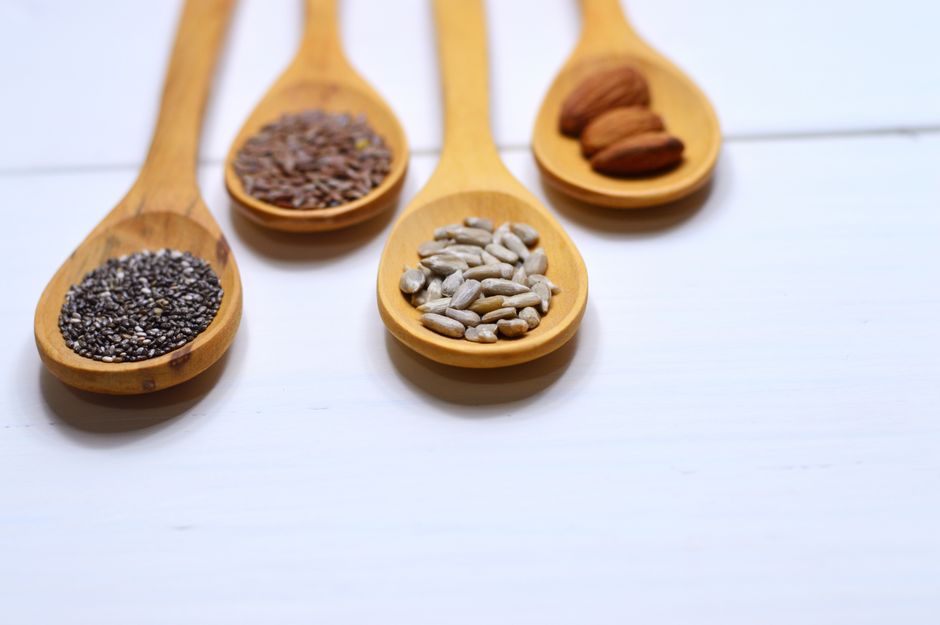
You have probably stood in the grocery aisle staring at a wall of tiny brown and white seeds, wondering if they are actually worth the price tag.
Seeds are good for weight loss because they combine protein, fiber, and healthy fats in a small package that slows digestion and keeps you full for hours. The best choices are chia seeds, flaxseeds, pumpkin seeds, and hemp seeds, each offering a slightly different nutritional profile. Adding a one-ounce serving to a meal or snack can help control hunger without adding excessive calories to your daily total.
Most generic advice tells you to “eat more seeds” without explaining which ones matter or how to use them without wrecking your calorie budget. This guide breaks down the specific evidence behind each seed, gives you honest portion sizes, and shows you how to work them into meals you already cook.
Key Points at a Glance
| Seed | What It Means | Why It Matters |
|---|---|---|
| Chia | Soaks up liquid and forms a gel | Slows stomach emptying, so you feel full longer |
| Flaxseed | Rich in lignans and soluble fiber | Supports digestion and may blunt blood sugar spikes |
| Pumpkin | High protein and zinc content | Builds satiety and supports metabolism with a crunchy texture |
| Hemp | Complete plant protein source | Provides all essential amino acids without dairy or soy |
| Sesame | Contains calcium and phytosterols | Adds flavor and nutrients to stir-fries and salads |
What Seeds are Good for Weight Loss and How They Work
Seeds work through three mechanisms that directly support weight management. The fiber in seeds absorbs water and expands in your stomach, triggering stretch receptors that signal fullness to your brain. The protein content requires more energy to digest than carbohydrates, slightly raising your metabolic rate after eating.
The healthy fats in seeds slow gastric emptying, which keeps blood sugar stable and prevents the crash that leads to afternoon snacking. A study published in the journal Nutrients found that participants who added chia seeds to their diet for 12 weeks experienced greater reductions in waist circumference compared to a control group, though total weight loss was modest.
Practical tip: I always keep a small jar of mixed seeds on my counter next to the coffee maker. Adding a tablespoon to morning oatmeal takes five seconds and makes a noticeable difference in how long I stay full before lunch.
Which Seeds Have the Strongest Evidence for Weight Loss?
Chia seeds and flaxseeds have the most clinical research behind them for weight management. Both are exceptionally high in soluble fiber, with chia containing about 10 grams of fiber per ounce and flaxseed providing 8 grams per ounce. That fiber ferments in your gut, producing short-chain fatty acids that may influence appetite-regulating hormones.
Pumpkin seeds and hemp seeds offer a different advantage because they are higher in protein and lower in carbohydrates. An ounce of pumpkin seeds delivers about 9 grams of protein, while hemp seeds provide 10 grams. Some studies suggest that protein-rich snacks reduce subsequent food intake more effectively than carbohydrate-rich snacks of equal calories.
Research on sesame seeds is less extensive, but their phytosterol content may support cholesterol management, which matters because metabolic health influences weight regulation. The evidence is mixed on whether any single seed outperforms the others, so variety is the smarter strategy.
How Many Calories Are in Seeds and What Portion Size Works?
Seeds are calorie-dense, which surprises many people who assume “healthy” means “low calorie.” A standard one-ounce serving contains roughly 150 to 180 calories depending on the seed, with chia at about 138 calories and pumpkin seeds closer to 180 calories per ounce.
The portion size matters more than the seed choice. A single ounce is about two tablespoons for most seeds, which looks surprisingly small when measured out. Weighing your portion for the first week helps you calibrate your eye, because it is easy to double the serving without noticing.
Adding seeds to a meal works better than eating them alone as a snack. Sprinkling them on yogurt, salad, or roasted vegetables adds texture and satiety without requiring you to change the rest of your meal plan. This approach fits into a calorie deficit without feeling restrictive.
Cooking note: Ground flaxseed disappears into smoothies and baked goods without changing the texture, while whole chia seeds work better in puddings and overnight oats. I always grind my flaxseed fresh because whole seeds pass through your system undigested, meaning you miss the fiber benefits.
Seeds vs. Nuts: Which Is Better for Weight Loss?
Both seeds and nuts support weight loss when eaten in appropriate portions, but seeds have a slight edge in fiber content per calorie. Nuts generally contain more monounsaturated fat and vitamin E, while seeds often provide more fiber and minerals like magnesium and zinc.
The practical difference comes down to calorie density. Nuts average about 170 to 200 calories per ounce, while seeds range from 138 to 180 calories. That difference is small, but it adds up if you eat them daily.
Your choice should depend on texture preference and how you plan to use them. Nuts work better as a standalone snack because they are more satisfying to chew. Seeds integrate more easily into cooking because they are smaller and less intrusive in texture.
How to Add Seeds to Your Diet Without Blowing Your Calorie Budget
Start with one seed and one meal. Adding a tablespoon of chia seeds to your morning yogurt or oatmeal is the easiest entry point because it requires no recipe changes and adds only about 69 calories.
Use seeds as a replacement, not an addition. Swap croutons on your salad for pumpkin seeds, or replace half the breadcrumbs in a meatloaf recipe with ground flaxseed. This keeps your total calorie intake stable while improving the nutritional profile of the meal.
Track your seed intake for the first two weeks. Most people underestimate portion sizes by half, so logging what you actually eat gives you accurate data about your calorie intake. Our TDEE calculator can help you determine your maintenance calories, which makes it easier to see where seeds fit into your daily budget.
Storage note: Seeds go rancid quickly because of their unsaturated fat content. I keep mine in the refrigerator in airtight glass jars and replace them every three months. Rancid seeds taste bitter and lose some of their nutritional value.
Are There Any Downsides to Eating Seeds for Weight Loss?
Seeds can cause digestive discomfort if you increase your fiber intake too quickly. Bloating, gas, and cramping are common when people jump from low fiber to high fiber overnight, so increase your intake gradually over one to two weeks.
Phytic acid in seeds can reduce mineral absorption, though this is rarely a problem in a varied diet. Soaking or roasting seeds reduces phytic acid content, and the vitamin C in fruits and vegetables eaten at the same meal improves iron and zinc absorption.
People with diverticulitis were once told to avoid seeds, but current evidence does not support that restriction for most patients. If you have a digestive condition, talk to your doctor before significantly increasing your seed intake.
Related Articles
Frequently Asked Questions
Can seeds alone cause weight loss?
No seed causes weight loss by itself. Seeds support weight loss by increasing fullness and improving meal quality, but you still need a calorie deficit to lose weight.
How many seeds should I eat per day for weight loss?
One ounce per day is a reasonable target for most people, which is about two tablespoons. That provides meaningful fiber and protein without adding excessive calories.
Are roasted or raw seeds better for weight loss?
Raw seeds are slightly lower in calories because roasting often adds oil and salt. Dry-roasted seeds without added oil are a close second and taste better to many people.
Can I eat seeds at night without gaining weight?
Eating seeds at night does not cause weight gain unless it pushes you over your daily calorie target. Total daily calories matter more than timing.
Do seeds interfere with weight loss medications?
High-fiber foods can slow medication absorption, so take medications as directed and eat seeds with meals rather than alone. Talk to your doctor if you have concerns about specific interactions.

The TDEECAL Team writes about nutrition, metabolism, and fat loss the way we built our calculator, with real numbers and no hype. We dig into the research so you don’t have to guess.