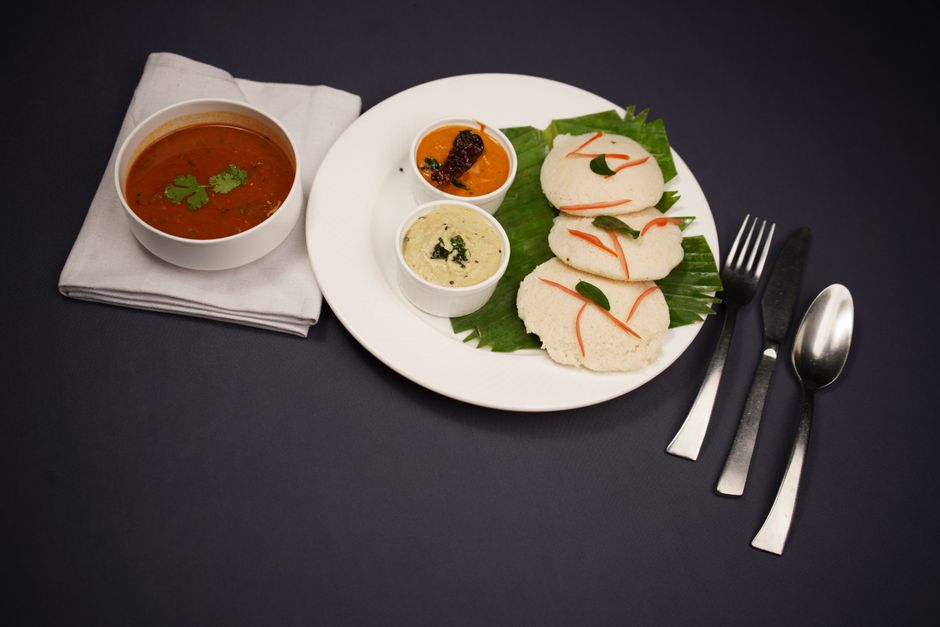
Idli is one of the most common breakfast foods in South India, yet many dieters wonder if this steamed rice cake fits into a weight loss plan. The answer matters because idli is often eaten daily by millions of people, and small dietary choices add up over time.
Is idli healthy for weight loss? Yes, idli can be a healthy choice for weight loss when eaten in proper portions, because it is steamed rather than fried, relatively low in calories, and easy to digest. A single plain idli contains roughly 40 to 60 calories depending on size and preparation, which makes it a reasonable option for a balanced meal plan. However, portion control and what you eat with the idli determine whether it truly supports your weight loss goals.
Most generic advice about idli either praises it as a perfect diet food or dismisses it as pure carbs. Neither extreme is accurate. This article breaks down the actual nutritional numbers, how idli compares to other breakfast staples, and the specific mistakes that turn a healthy breakfast into a calorie trap.
You will also learn how to build a satisfying idli meal that keeps you full until lunch, which is the real key to weight loss success.
Key Points at a Glance
| Point | What It Means | Why It Matters |
|---|---|---|
| Calorie count | One plain idli has about 40–60 calories | Easy to fit into a calorie deficit |
| Cooking method | Steamed, not fried | No added oil or butter needed |
| Protein content | Low at roughly 2 grams per idli | Pair with dal or chutney for satiety |
| Glycemic impact | Fermentation lowers glycemic response | Better blood sugar control than white rice alone |
| Portion trap | Easy to eat 4–6 idlis without noticing | Calories add up quickly beyond 3 idlis |
How Many Calories Are in Idli and Does It Support Weight Loss?
A standard idli made from rice and urad dal contains roughly 40 to 60 calories, depending on its size and the exact batter ratio. The USDA lists fermented rice and lentil cakes as a moderate-calorie food, with most of the energy coming from carbohydrates. Because idli is steamed, it avoids the extra fat that comes with frying or roasting in oil.
That calorie range matters because weight loss ultimately depends on maintaining a calorie deficit. Three idlis with a small bowl of sambar and coconut chutney typically comes to 250 to 350 calories, which is comparable to many other light breakfasts. The challenge is that idlis are easy to eat quickly, and five or six of them can quietly double your breakfast calories.
I always count my idlis before serving rather than eating from the steamer directly. It takes ten seconds and prevents the mindless second helping that derails the whole meal.
Use a TDEE calculator to find your daily maintenance calories, then plan your idli breakfast to fit within your target deficit.
Is Idli Healthy for Weight Loss Compared to Other Breakfast Foods?
Compared to common breakfast options like paratha, puri, or bread with butter, idli is clearly lower in calories and fat. A single plain paratha can contain 200 to 300 calories because of the oil used in cooking, while one idli stays under 60 calories. That difference makes idli a smarter choice for anyone watching their daily energy intake.
However, idli is not as protein-dense as eggs or Greek yogurt, which typically provide 12 to 20 grams of protein per serving. The protein in idli comes mostly from the urad dal in the batter, giving you about 2 grams per piece. Some studies suggest that higher-protein breakfasts improve satiety, so pairing idli with a protein source helps you feel full longer.
The evidence on fermented foods and digestion is promising but not conclusive. Some research indicates that fermentation may improve nutrient absorption, though the practical effect on weight loss is small compared to portion control.
What Makes Idli Good or Bad for Your Weight Loss Plan?
The main strength of idli is its cooking method. Steaming requires no added fat, which keeps the calorie density low and preserves the natural nutrients of the rice and lentils. Idli is also naturally low in sodium when eaten plain, which helps avoid the water retention that comes with salty processed foods.
The main weakness is the carbohydrate load. A typical serving of three idlis contains roughly 30 to 40 grams of carbohydrates, which can spike blood sugar if eaten alone. The fermentation process does lower the glycemic response compared to plain white rice, but the effect is modest. Adding sambar with vegetables and a protein side helps slow digestion and keeps your energy steady.
Another concern is the coconut chutney that usually accompanies idli. A generous serving of coconut chutney can add 100 to 150 calories from coconut fat, which many people do not account for. I measure my chutney with a tablespoon rather than scooping freely, and it makes a noticeable difference over a week of breakfasts.
How Many Idlis Should You Eat to Lose Weight?
For most women aiming for weight loss, two to three idlis with sambar and a small amount of chutney is a reasonable portion that fits a 1,400 to 1,600 calorie daily plan. This serving provides roughly 200 to 300 calories and enough carbohydrates to fuel your morning without leaving you hungry. Men or more active individuals may need three to four idlis to maintain energy levels throughout the day.
There is no established clinical guideline for idli portions specifically, so the right number depends on your total daily calorie target. If you are unsure what your body needs, calculating your maintenance calories gives you a starting point, then you subtract 300 to 500 calories for weight loss. The key is to treat idli as one part of a balanced meal, not the entire meal by itself.
Pair your idlis with a bowl of sambar for extra protein and fiber, and keep the coconut chutney to one tablespoon to control calories.
What Are the Best and Worst Ways to Eat Idli for Weight Loss?
The best way to eat idli for weight loss is with a protein-rich side like sambar, a boiled egg, or a small bowl of curd. The vegetables in sambar add fiber, which slows digestion and improves fullness. Eating idli with your hands and chewing slowly also gives your brain time to register fullness before you reach for another piece.
The worst way to eat idli is with butter, ghee, or a heavy coconut chutney, which can double the calorie count without adding meaningful nutrition. Fried idli or idli soaked in sugary chutneys also removes most of the weight loss advantage. Some people also make the mistake of eating idlis as a snack between meals, which adds calories they do not plan for.
I find that reheating leftover idlis in a dry pan rather than adding oil keeps them soft without extra calories. It takes one minute and preserves the texture well.
Related Articles
Frequently Asked Questions
Can I eat idli every day while trying to lose weight?
Yes, you can eat idli daily if you control portions and pair it with protein and vegetables. The key is keeping your total daily calories within your weight loss target.
Is idli better than rice for weight loss?
Idli is generally better than plain white rice because it is fermented and steamed, which may improve digestion and reduce glycemic response. Both are similar in calories per serving, so portion size still matters most.
Does idli cause belly fat?
No food causes belly fat on its own, and idli is not specifically linked to abdominal fat gain. Excess calories from any food, including idli, contribute to overall weight gain when eaten beyond your needs.
How many calories are in one idli?
One plain idli contains roughly 40 to 60 calories depending on its size and the batter recipe. A larger restaurant-style idli may be closer to 70 calories.
Is sambar with idli good for weight loss?
Sambar is good for weight loss because it adds vegetables, fiber, and protein without many calories. A half-cup serving of sambar adds about 50 to 80 calories to your meal.
Can I eat idli at night for dinner?
Yes, idli can work for dinner if you keep the portion moderate and balance it with protein. Eating it earlier in the evening rather than right before bed supports better digestion.
Idli is a practical, low-calorie breakfast that can absolutely fit into a weight loss plan when you manage portions and choose your sides wisely. The evidence does not support treating idli as a miracle food, but it also does not require cutting it out entirely. Focus on the meal as a whole, track your calories, and let your own results guide your choices.
If you are unsure about your daily calorie needs, a TDEE calculator gives you a reliable starting point to plan your portions.

The TDEECAL Team writes about nutrition, metabolism, and fat loss the way we built our calculator, with real numbers and no hype. We dig into the research so you don’t have to guess.