Most people assume all vegetables are equal when it comes to weight loss. That assumption is wrong, and it matters more than you think.
The short answer is yes — is bell pepper good for weight loss? Yes, it is. Bell peppers are low in calories, high in water, and contain fiber that helps with fullness. A whole medium bell pepper has roughly 24 to 30 calories, making it one of the least calorie-dense vegetables you can add to a plate.
But the real story is about what bell peppers do instead of other foods. Swapping a higher-calorie snack for bell peppers can create a calorie deficit without leaving you hungry. That is the actual mechanism behind weight loss — not any single food acting alone.
This article covers the specific numbers, the evidence behind the claims, and the practical ways to use bell peppers so they actually help. Most search results stop at “they’re healthy.” We go further and look at portion sizes, preparation methods, and what the research really says.
Key Points at a Glance
| Point | What It Means | Why It Matters |
|---|---|---|
| Calorie content | 24–30 calories per medium pepper | Very low calorie density supports deficit |
| Water content | About 92–94% water | Increases fullness without adding calories |
| Fiber per pepper | Roughly 1.5–2 grams | Slows digestion and reduces hunger |
| Vitamin C | Higher than most citrus fruits | Supports metabolism but does not burn fat directly |
| Best preparation | Raw or lightly sautéed | Heavy oils and sauces erase the calorie advantage |
How Many Calories Are in Bell Peppers?
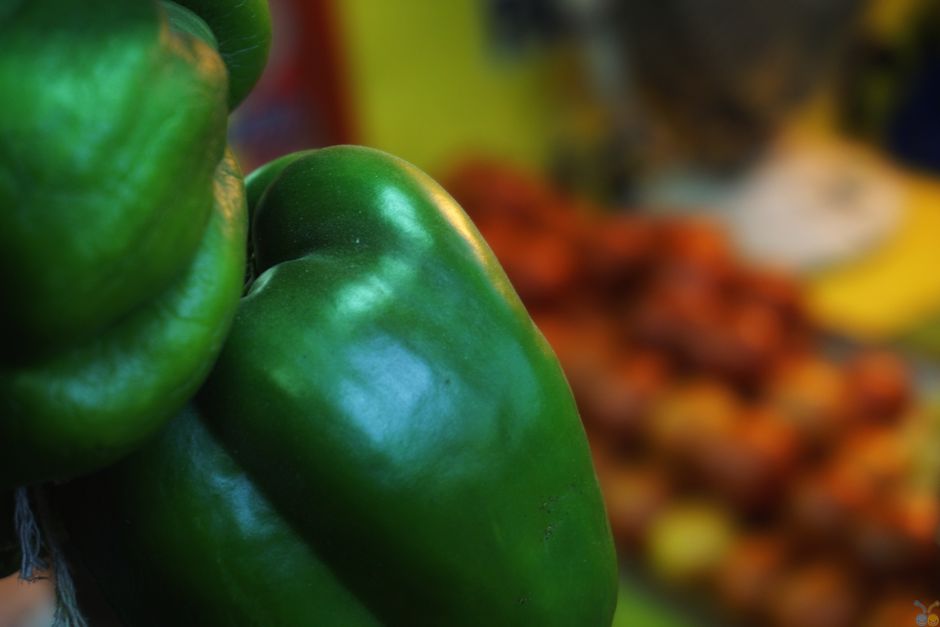
A medium bell pepper — about 120 grams — contains roughly 24 to 30 calories depending on the color. Red peppers are slightly higher in sugar and calories than green ones, but the difference is small. Green peppers run closer to 24 calories, while red peppers land near 30.
That calorie count changes fast with preparation. A tablespoon of olive oil adds about 120 calories. Sautéing peppers in oil can triple or quadruple the total calorie load of the dish. This is where most people unintentionally undo the benefit.
Practical tip: I always measure oil with a teaspoon rather than pouring straight from the bottle. That single habit keeps pepper dishes in the 50-calorie range instead of the 200-calorie range.
Roasting peppers without oil, steaming them, or eating them raw keeps the calorie count nearly identical to the fresh state. The water content stays high, which is a large part of why they fill you up.
Is Bell Pepper Good for Weight Loss Compared to Other Vegetables?
Bell peppers sit in the same calorie range as broccoli, cauliflower, and zucchini. A cup of chopped bell pepper is about 26 calories, while a cup of broccoli is roughly 31 calories. The difference is negligible for weight loss purposes.
What sets bell peppers apart is versatility. They are crunchy when raw, sweet when roasted, and mild enough to pair with almost anything. That versatility makes them easier to eat consistently than vegetables with stronger flavors. Consistency matters more than any small calorie difference between vegetables.
Some research suggests that high-water, high-fiber vegetables like bell peppers increase satiety more than their calorie count alone would predict. The mechanism is straightforward: water adds volume without calories, and fiber slows stomach emptying. Both signals help you feel full sooner.
But bell peppers are not a fat-burning food. No vegetable is. Weight loss still comes down to total calorie intake versus total calorie expenditure. Bell peppers help because they replace higher-calorie options and add volume to meals.
Does the Color of the Pepper Matter for Weight Loss?
Green, red, yellow, and orange bell peppers all have nearly identical calorie counts. The color difference comes from ripeness — green peppers are harvested earlier, while red peppers stay on the plant longer. Red peppers have slightly more sugar and vitamin C, but neither difference is significant for weight loss.
If you are choosing based on nutrition alone, red peppers have the edge on vitamin C and beta-carotene. A medium red pepper provides over 150% of the daily value for vitamin C. But for calorie control, any color works equally well.
The practical advice is to buy whichever color you will actually eat. A pepper that gets eaten is better than one that rots in the crisper drawer. I personally buy red and orange because their sweetness works better in salads, but green peppers hold up better in cooked dishes.
Practical tip: Slice peppers into strips and store them in a glass container with a paper towel. They stay crisp for up to five days, which makes grabbing them as a snack much easier.
What Is the Best Way to Eat Bell Peppers for Weight Loss?
Raw bell peppers are the most reliable choice because they require no added fat. Slice them into strips and use them as a vehicle for hummus, guacamole, or Greek yogurt dip. The dip adds calories, but portion control becomes easier because the pepper volume fills you up first.
Roasted peppers are a close second. Roasting concentrates the natural sugars and changes the texture, which can satisfy cravings for something sweet without added sugar. The key is roasting without oil — a sheet pan, high heat, and patience do the job.
Stuffed peppers can work, but they are a trap for hidden calories. A bell pepper stuffed with ground beef, rice, and cheese easily reaches 400 to 500 calories. That is not a problem if it is your main meal, but it stops being a “diet food” at that point. Use lean protein, cauliflower rice, and a modest amount of cheese to keep it around 250 calories.
One caution: bell pepper is not a weight loss shortcut. Some studies indicate that capsaicin — the compound that makes chili peppers hot — may slightly increase metabolism. Bell peppers are not hot and contain negligible capsaicin. The metabolic effect of bell peppers themselves is too small to measure in real-world settings.
Can Eating Bell Peppers Help You Feel Full?
Yes, and this is the strongest evidence-based benefit. The combination of water and fiber in bell peppers triggers stretch receptors in the stomach, which send fullness signals to the brain. A 2018 review in the journal Nutrients found that low-calorie, high-volume foods consistently increase satiety compared to calorie-dense alternatives.
But the effect depends on how you eat them. Adding bell peppers to a meal only helps if they replace something else. Layering them on top of a pasta dish without reducing the pasta portion adds volume but does not create a calorie deficit. The benefit comes from substitution, not addition.
One practical pattern that works: eat a cup of raw bell pepper strips about ten minutes before your main meal. That small pre-load of volume can reduce how much you eat at the meal itself. Some research on vegetable pre-loading supports this approach, though results vary by individual.
Frequently Asked Questions
Related Articles
Is bell pepper good for weight loss every day?
Yes, eating bell peppers daily is safe and can support weight loss. They are low in calories and high in water, so they add volume without adding meaningful calories.
How many bell peppers can I eat a day for weight loss?
There is no established limit, but two to three medium peppers per day is reasonable. Eating more than that is unlikely to cause problems, though the fiber may cause digestive discomfort in some people.
Are bell peppers better raw or cooked for weight loss?
Raw peppers are slightly better because cooking can add oil or butter. If you cook them without added fat, the difference is negligible.
Do bell peppers burn belly fat?
No food burns belly fat specifically. Bell peppers support weight loss by replacing higher-calorie foods, but spot reduction is not supported by evidence.
Which color bell pepper is healthiest for weight loss?
All colors are nearly identical in calories and fiber. Red peppers have more vitamin C, but any color works equally well for weight loss.
Can bell peppers cause bloating?
Some people experience bloating from the fiber, especially if they are not used to high-fiber foods. Start with half a pepper and increase gradually to avoid discomfort.
If you want to track how bell peppers fit into your daily calorie target, use our TDEE Calculator to find your maintenance calories first. Then subtract 300 to 500 calories for a sustainable deficit.

The TDEECAL Team writes about nutrition, metabolism, and fat loss the way we built our calculator, with real numbers and no hype. We dig into the research so you don’t have to guess.