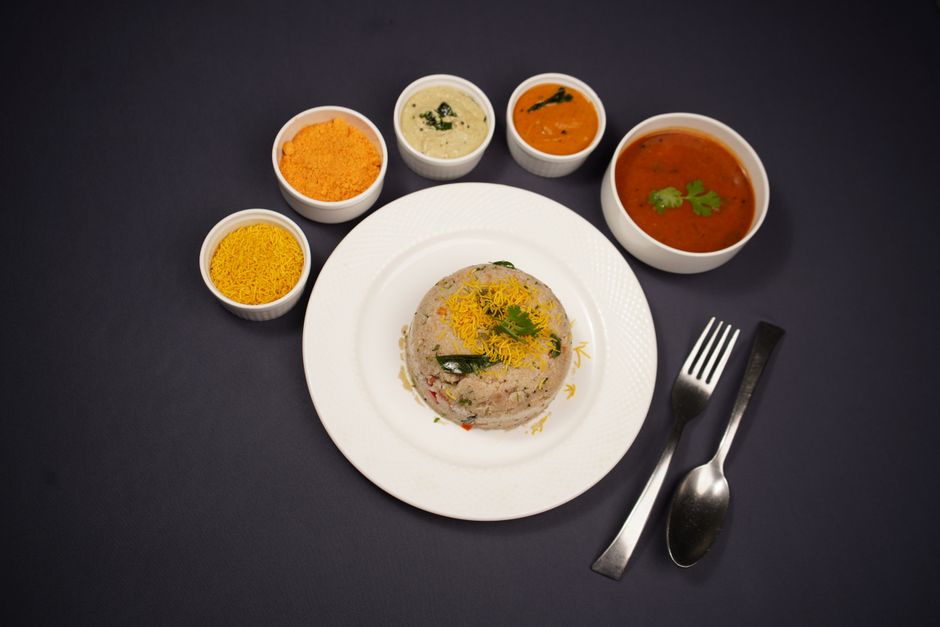
Is Sambar Rice Good for Weight Loss?
Sambar rice is a staple in many South Indian homes, and its reputation for being healthy is well-earned. Yes, sambar rice can be a good choice for weight loss when you control your portions and balance it with vegetables. It offers a solid mix of complex carbohydrates, plant-based protein, and fiber, which helps keep you full.
But the answer isn’t a simple yes or no. The way sambar rice is prepared, the size of your serving, and what you eat alongside it all play a major role in whether it helps or hinders your weight loss efforts. Most generic advice misses these crucial details, which is exactly what we will break down here.
We’ll cover the real nutritional breakdown, how to build a weight-loss-friendly plate, and common mistakes that turn a good meal into a calorie bomb. You’ll leave with a clear, practical plan for making sambar rice work for you, not against you.
Key Points at a Glance
| Point | What It Means | Why It Matters |
|---|---|---|
| Calorie Density | Sambar rice is moderate in calories, roughly 250-350 per typical serving. | It’s not a low-calorie food, so portion control is essential for a deficit. |
| Fiber & Protein | The lentils and vegetables provide fiber and plant protein. | These nutrients increase satiety, helping you feel full and eat less overall. |
| Fat Content | Fat comes mainly from the tempering (oil, mustard seeds, curry leaves). | Using too much oil can quickly add significant calories to the dish. |
| Glycemic Impact | White rice has a high glycemic index, causing a rapid blood sugar spike. | A large spike can lead to a crash and cravings shortly after eating. |
| Portion Size | A standard restaurant serving is often double or triple a healthy portion. | Controlling your portion is the single most important factor for weight loss. |
What Is the Nutritional Profile of Sambar Rice?
The nutritional value of sambar rice depends almost entirely on the ingredients. A home-cooked version with brown rice or millet is very different from a restaurant version made with white rice and generous amounts of oil. Generally, a single serving of sambar rice (about one cup of rice with one cup of sambar) provides roughly 250 to 350 calories.
That same serving offers around 8-10 grams of protein from the toor dal (pigeon peas) and about 5-7 grams of fiber from the dal and vegetables. It is also naturally low in saturated fat, with most of the fat content coming from the oil used for tempering. The primary nutrient of concern is the simple carbohydrate from white rice, which can affect blood sugar levels.
How Does Sambar Rice Affect Weight Loss?
The effect of sambar rice on weight loss comes down to how well it manages your hunger and energy. The combination of protein and fiber in the sambar helps slow down digestion, keeping you feeling fuller for longer than a plain rice dish. This can naturally lead to eating fewer calories throughout the day, which is the foundation of weight loss.
However, the high carbohydrate load from a large serving of white rice can cause a rapid rise in blood sugar. This is followed by a quick drop, which often triggers hunger and cravings a few hours later. So, while the sambar is helpful, the rice component can work against your goals if you don’t manage it carefully.
Some studies suggest that replacing white rice with brown rice or millets can improve blood sugar control and increase satiety. This is because these whole grains retain more fiber and nutrients, which are stripped from white rice. Making this simple swap is one of the most effective ways to make sambar rice a better meal for weight loss.
How to Make Sambar Rice for Weight Loss
To make sambar rice truly weight-loss friendly, you need to focus on both the ingredients and the method. First, use a 1:3 ratio of rice to sambar. This means you have a much larger volume of the low-calorie, high-fiber sambar compared to the calorie-dense rice. This simple change dramatically reduces the calorie density of the entire meal.
Second, be mindful of the oil. A traditional tempering uses a tablespoon or more of oil, which adds over 100 calories. You can cut this down to a teaspoon and still get the flavor. Third, load the sambar with vegetables like pumpkin, carrots, okra, and drumsticks. They add volume, fiber, and micronutrients without significantly adding to the calorie count.
Here is a simple guide to building a balanced plate:
- Start with 1 cup of cooked rice (about 200 calories).
- Top it with 1.5 to 2 cups of vegetable-heavy sambar (about 150-200 calories).
- Add a side salad of cucumber, onion, and tomato with a squeeze of lemon.
- Include a small bowl of curd (yogurt) for added protein and probiotics.
What Are the Common Mistakes to Avoid?
The biggest mistake people make is treating sambar rice as a single, uniform dish and ignoring portion sizes. A typical restaurant serving can easily be 700-800 calories, which is a large portion of your daily energy needs. Even at home, it is easy to over-serve rice, especially when it tastes good.
Another common mistake is pairing it with fried sides like vada or papad, which add significant fat and calories. Skipping the vegetables and eating the sambar rice as a mostly-carbohydrate meal will not keep you full for long. This leaves you feeling hungry and more likely to snack on something unhealthy later.
Finally, don’t rely on sambar rice as your only meal source for weight loss. A balanced diet with a variety of proteins, vegetables, and healthy fats is crucial. Sambar rice can be a great part of that plan, but it shouldn’t be the only thing you eat.
How Many Calories Are in a Serving of Sambar Rice?
The calorie count for sambar rice varies widely depending on whether it’s homemade or from a restaurant. A single home-cooked serving of one cup of rice with one cup of sambar is typically around 250 to 350 calories. This estimate assumes a moderate amount of oil and a good portion of vegetables in the sambar.
Restaurant versions are a different story. They often use more oil, more rice, and may include added sugar or ghee, pushing the calorie count to 500 or even 600 calories per serving. If you’re eating out, it’s wise to treat the portion as a full meal and be mindful of what else you order. To get a precise number for your specific recipe, you can use a nutrition calculator to add up the individual ingredients.
Is Sambar Rice Good for Weight Loss Compared to Other Foods?
Compared to other common South Indian breakfast or lunch options like idli, dosa, or fried rice, sambar rice is a moderate choice. It’s better than fried rice because the sambar provides more protein and fiber than the simple accompaniments to fried rice. It is similar to idli in that both offer a good balance of carbs and protein, but sambar rice has a higher calorie density than a plain idli.
The key difference is the rice itself. White rice is a refined grain, which means it has been stripped of its fiber and many nutrients. This makes it less filling and more likely to cause blood sugar spikes compared to eating a bowl of dal with vegetables and a side of whole-grain roti. So, while sambar rice is a good option, it isn’t the absolute best possible choice for weight loss when compared to lower-carb, higher-fiber alternatives.
Frequently Asked Questions
Related Articles
Can I eat sambar rice every day for weight loss?
Yes, you can eat sambar rice daily if you control portions and use whole grains. It’s a balanced meal that provides energy, protein, and fiber, making it sustainable for a weight loss diet.
Is it better to eat sambar rice for lunch or dinner?
Lunch is often a better choice because you have the rest of the day to burn off the carbohydrates. Eating it for dinner is fine, but you may want to reduce the rice portion to avoid a large energy intake before going to sleep.
How much sambar rice should I eat to lose weight?
A good starting portion is one cup of cooked rice with two cups of sambar. This keeps the meal around 300-350 calories, which fits well into a standard weight loss calorie budget.
Does sambar rice cause weight gain?
Sambar rice only causes weight gain if you consistently eat more calories than you burn. Large portions, especially from restaurants, can easily push you into a calorie surplus.
Can I use brown rice instead of white rice for sambar rice?
Yes, brown rice is an excellent substitute. It has more fiber and a lower glycemic index, which helps you feel fuller for longer and keeps blood sugar levels more stable.
To get a more personalized calorie goal for your weight loss journey, you can use our TDEE Calculator to find out exactly how many calories you need each day.

The TDEECAL Team writes about nutrition, metabolism, and fat loss the way we built our calculator, with real numbers and no hype. We dig into the research so you don’t have to guess.