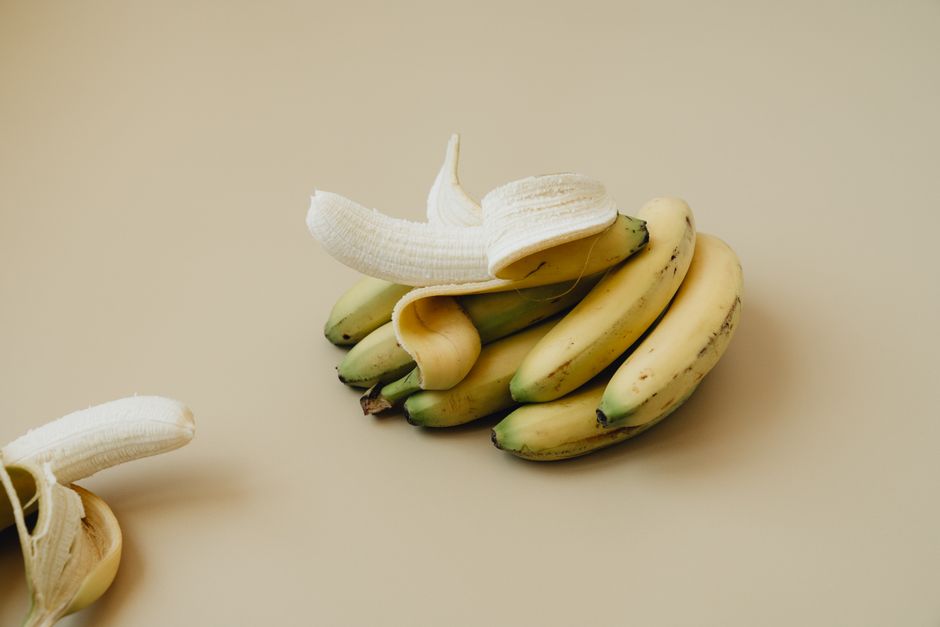
Potassium rarely gets the spotlight in weight loss conversations, yet it plays a quiet role in how your body manages water balance and energy. Most women I talk to are tracking protein and calories but have no idea if their potassium intake is even close to adequate.
For weight loss purposes, the general target is 2,600 to 3,400 mg of potassium per day for adult women, though most American women get only about half that amount. This matters because potassium helps counterbalance sodium, which can reduce water retention and bloating that masks your true progress on the scale. While potassium does not directly burn fat, getting enough of it supports normal muscle function and blood pressure, which makes consistent exercise and healthy eating easier to maintain.
Most generic search results tell you to eat a banana and move on. That advice misses the bigger picture. This article breaks down how much potassium for weight loss actually looks like in real food portions, not abstract milligrams. You will also learn which common mistakes keep women from absorbing the potassium they do eat, and what to do if you suspect your levels are low.
Key Points at a Glance
| Point | What It Means | Why It Matters |
|---|---|---|
| Daily target | 2,600–3,400 mg for adult women | Most women eat only half this amount |
| Water retention | Potassium balances sodium in the body | Reduces bloating that hides real weight loss |
| Food sources | Beans, potatoes, leafy greens, yogurt | Whole foods beat supplements for absorption |
| Blood pressure | Potassium supports normal BP regulation | Supports heart health during weight loss |
| Kidney caution | Too much can be dangerous with kidney disease | Check with a doctor before supplementing |
How Much Potassium for Weight Loss Should You Aim For?
The Dietary Guidelines for Americans set the daily potassium target at 3,400 mg for adult men and 2,600 mg for adult women. This is the number to aim for when your goal includes weight loss, because it supports the metabolic and muscle functions that make your efforts effective. The average American woman consumes roughly 2,000 to 2,200 mg daily, which leaves a noticeable gap.
I have seen clients get discouraged when the scale does not move for a week, only to lose three pounds the next week after adjusting their potassium-rich food intake. That pattern usually reflects water balance shifting, not fat loss speeding up. Potassium helps your kidneys flush excess sodium, and that flushing effect reduces the fluid retention that can make you feel puffy and heavier than you actually are.
Practical tip: Track your potassium for three days using a food app to see where you actually land. Most women discover they are closer to 1,800 mg than 2,600 mg, which explains stubborn bloating.
What Does 2,600 mg of Potassium Look Like on a Plate?
One medium baked potato with the skin gives you about 925 mg, which is over a third of your daily target. A cup of cooked white beans delivers roughly 1,000 mg, and a medium banana adds another 420 mg. These three foods alone nearly hit your daily goal, which surprises most women who assumed potassium meant eating bananas all day.
Leafy greens like Swiss chard and spinach are also strong sources, with cooked Swiss chard providing about 960 mg per cup. Yogurt, salmon, and avocado each contribute meaningful amounts as well. I always tell clients to keep a bag of frozen spinach on hand because it is cheap, easy to add to eggs or pasta sauce, and does not spoil before you use it.
One caution: potassium from food is safe for healthy people because your kidneys regulate what your body does not need. Potassium from supplements is a different situation, and that is where problems can arise.
Can Potassium Supplements Help With Weight Loss?
No strong clinical evidence currently supports potassium supplements as a weight loss tool. The research that links potassium to lower blood pressure and reduced stroke risk comes from dietary intake, not from pills. Whole foods also provide magnesium, fiber, and other nutrients that work alongside potassium in ways supplements cannot replicate.
Over-the-counter potassium supplements are limited to 99 mg per tablet in the United States, which is a tiny fraction of your daily need. Taking handfuls of these pills is not a practical strategy, and high-dose potassium supplements require a prescription because they carry real cardiac risks. If you have kidney disease, take blood pressure medication, or use NSAID pain relievers regularly, talk to your doctor before increasing potassium in any form.
Why Your Potassium Might Not Be Working Even if You Eat Enough
High sodium intake is the biggest thief of potassium’s benefits. For every 1,000 mg of sodium you eat, your body loses roughly 40 to 60 mg of potassium through urine. If you are eating a typical American diet with 3,400 mg of sodium daily, you are essentially canceling out a large portion of your potassium intake.
Alcohol and caffeine both increase potassium loss through urine as well. Women who drink coffee all day and wine in the evening may need more potassium than their food provides. I have noticed that clients who cut back on processed foods and restaurant meals often see their bloating resolve within a week, even without adding any new potassium sources.
Practical tip: Swap one processed snack for a potassium-rich whole food daily. A small baked potato with salsa beats a bag of pretzels for both potassium and satiety.
Frequently Asked Questions
Related Articles
Can potassium alone cause weight loss?
No, potassium does not burn fat or directly cause weight loss. It helps reduce water retention and supports normal muscle function, which makes your diet and exercise efforts show up more clearly on the scale.
How quickly does potassium reduce bloating?
Some women notice less bloating within a few days of increasing potassium and reducing sodium. The full effect usually appears within one to two weeks of consistent intake.
Is it possible to get too much potassium from food?
Healthy kidneys remove excess potassium from food, so toxicity from diet alone is extremely rare. People with chronic kidney disease or those on certain medications should ask their doctor about safe limits.
What is the best time of day to eat potassium-rich foods?
There is no evidence that timing matters for potassium’s effects on water balance. Spreading potassium-rich foods across meals helps with consistent intake and avoids digestive discomfort.
Does cooking destroy potassium in vegetables?
Boiling vegetables can leach potassium into the cooking water, so steaming or roasting preserves more of the mineral. If you boil greens, the cooking liquid still contains the potassium and can be used in soups or sauces.
Are bananas the best source of potassium for weight loss?
Bananas are convenient but not the most concentrated source. A medium banana has about 420 mg, while a cup of cooked white beans provides roughly 1,000 mg, making beans a stronger choice for hitting your daily target.
Potassium is one piece of the weight loss puzzle, not a magic solution. Getting 2,600 to 3,400 mg daily from whole foods, while cutting back on sodium, can help you see truer progress on the scale and feel less bloated. Use a TDEE calculator to set your calorie target, then build your meals around potassium-rich whole foods to support that effort.

The TDEECAL Team writes about nutrition, metabolism, and fat loss the way we built our calculator, with real numbers and no hype. We dig into the research so you don’t have to guess.