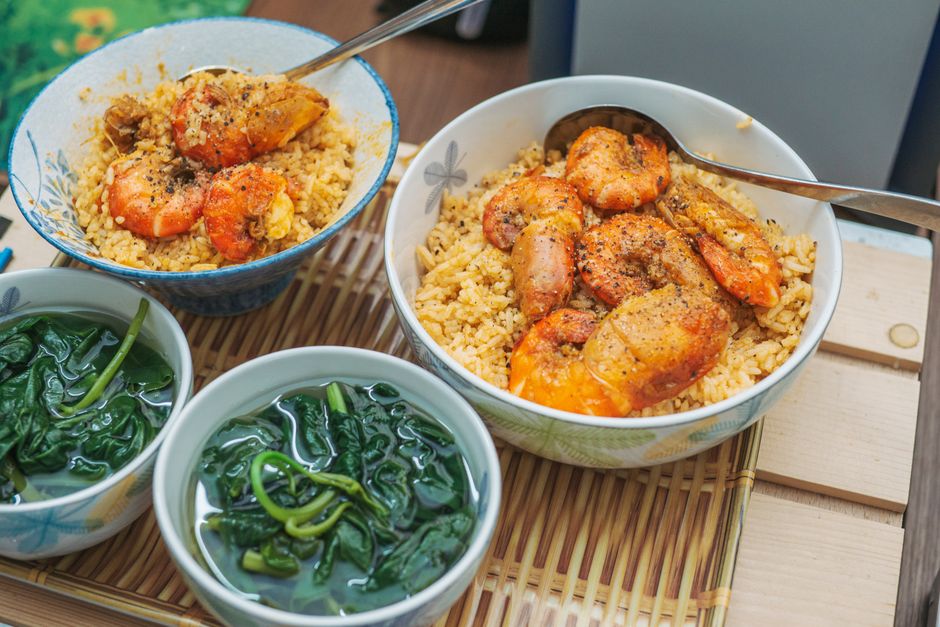
Is Shrimp and Rice Healthy for Weight Loss?
You have probably seen shrimp and rice on countless diet menus, but you might still wonder if it actually helps or hurts your progress. The truth is that this classic combination can be a solid choice for weight loss when you build it the right way. So, is shrimp and rice healthy for weight loss? Yes, it can be, because the pairing naturally offers a strong protein-to-calorie ratio that supports fullness and steady energy.
A standard serving of shrimp and rice is roughly 300 to 400 calories, depending on portion size and how you prepare it. Shrimp is one of the leanest protein sources available, with a 3-ounce serving providing about 20 grams of protein for only 84 calories. White rice provides quick energy, while brown rice adds fiber that slows digestion and keeps you satisfied longer. The key is controlling your portions and being mindful of added fats like butter or oil.
Many generic search results focus only on calorie counts, but they miss the bigger picture. This article covers the actual nutritional breakdown, the best ways to prepare this dish for weight loss, and the common mistakes that turn a healthy meal into a diet setback. You will also get practical tips you can use tonight, not vague advice.
Key Points at a Glance
| Point | What It Means | Why It Matters |
|---|---|---|
| Calorie range | 300-400 calories per standard meal | Fits easily into most weight loss plans |
| Protein content | Shrimp delivers 20g protein per 3oz | Supports muscle retention while losing fat |
| Rice choice | Brown rice adds fiber, white rice digests faster | Fiber increases fullness between meals |
| Preparation method | Grilled or steamed beats fried | Avoids unnecessary added calories |
How Many Calories Are in Shrimp and Rice?
The calorie count for shrimp and rice varies widely based on how you prepare it. A simple version with 4 ounces of shrimp and one cup of cooked white rice comes to roughly 300 calories. Add a tablespoon of olive oil for cooking and that number climbs to about 420 calories.
Brown rice changes the math slightly. One cup of cooked brown rice has about 218 calories compared to 205 for white rice. The difference is small, but brown rice offers 3.5 grams of fiber while white rice has less than 1 gram. That extra fiber makes a real difference in how long you feel full after eating.
The biggest calorie trap comes from preparation. Shrimp fried in butter or oil can double the fat content of the meal. A simple lemon-garlic preparation with a small amount of olive oil keeps the dish lean while still adding flavor.
What Is the Nutritional Breakdown of Shrimp?
Shrimp is remarkably nutrient-dense for its calorie content. A 3-ounce serving provides about 20 grams of protein, less than 1 gram of fat, and almost no carbohydrates. It also delivers significant amounts of selenium, vitamin B12, and iodine.
The cholesterol content of shrimp often confuses people. A 3-ounce serving contains about 166 milligrams of cholesterol, which is higher than some other proteins. However, research indicates that dietary cholesterol has less impact on blood cholesterol levels than saturated fat does. For most healthy adults, shrimp can be part of a balanced diet without concern.
The protein in shrimp is complete, meaning it contains all essential amino acids your body needs. This makes it an excellent choice for preserving muscle mass while you are in a calorie deficit. Muscle preservation is important because it keeps your metabolism from slowing down during weight loss.
Is Shrimp and Rice Healthy for Weight Loss Compared to Other Meals?
When you compare shrimp and rice to other common weight loss meals, it holds up very well. A grilled chicken breast with rice is similar in calories and protein. Shrimp offers a slight edge in protein density because it has fewer calories per gram of protein than most cuts of chicken.
The combination works well because it balances macronutrients effectively. You get protein from the shrimp for satiety and muscle support, carbohydrates from the rice for energy, and minimal fat to keep calories in check. This balance helps stabilize blood sugar, which reduces cravings between meals.
The main weakness of this meal is the lack of vegetables. Adding a serving of broccoli, spinach, or bell peppers increases the fiber and micronutrient content significantly. A meal with shrimp, rice, and vegetables provides a more complete nutritional profile than shrimp and rice alone.
What Is the Best Way to Prepare Shrimp and Rice for Weight Loss?
The healthiest preparation methods are grilling, baking, or sautéing shrimp with minimal oil. A small amount of olive oil, about one teaspoon, is enough to prevent sticking and add flavor. Avoid butter, heavy sauces, and breaded shrimp, which add significant calories.
For the rice component, consider using brown rice or cauliflower rice to increase fiber and reduce calories. Cauliflower rice contains about 25 calories per cup compared to 205 for white rice. Many people find that mixing half white rice with half cauliflower rice creates a satisfying texture with fewer calories.
Seasoning makes the difference between a bland diet meal and something you will actually want to eat regularly. Garlic, lemon juice, paprika, chili flakes, and fresh herbs add flavor without adding calories. Soy sauce and teriyaki sauce add sodium and sugar, so use them sparingly.
How Much Shrimp and Rice Should You Eat for Weight Loss?
Portion control is the single most important factor in whether this meal helps or hurts your weight loss. A standard serving is 4 ounces of shrimp, which is about 6 to 8 medium shrimp, paired with one cup of cooked rice. This portion provides roughly 350 calories, which fits well into most weight loss plans.
If you are highly active, you may need a larger portion. A 6-ounce serving of shrimp with one and a half cups of rice adds about 150 calories. If you are sedentary or have a smaller frame, you might do better with 3 ounces of shrimp and three-quarters of a cup of rice.
The best approach is to use a food scale for the first few weeks. Most people underestimate their portion sizes by 30 to 50 percent. Once you learn what correct portions look like, you can estimate more accurately without measuring every meal.
Frequently Asked Questions
Related Articles
Is shrimp and rice good for losing belly fat?
No single food targets belly fat specifically, but shrimp and rice supports overall fat loss. The high protein content helps preserve muscle and keeps you full, which supports the calorie deficit needed to lose fat everywhere.
Can I eat shrimp and rice every day for weight loss?
Yes, you can eat this meal daily as long as you vary your vegetables and protein sources. Eating the same meal repeatedly can lead to boredom, which sometimes triggers cravings for less healthy options.
Is white rice or brown rice better for weight loss?
Brown rice is slightly better because it has more fiber and nutrients. The difference is modest, so choose whichever you will actually enjoy eating consistently.
How much protein is in shrimp and rice?
A standard serving provides about 25 to 30 grams of protein total. Shrimp contributes roughly 20 grams, and rice adds about 4 to 5 grams depending on the type and portion.
Does shrimp cause weight gain?
Shrimp is very unlikely to cause weight gain because it is low in calories and high in protein. Weight gain happens when you eat more calories than you burn, regardless of the food source.
Is fried shrimp and rice still healthy?
Fried shrimp adds significant calories and unhealthy fats, making it a less healthy choice. Grilled, baked, or sautéed shrimp keeps the meal in weight loss territory.
Calculating your personal calorie needs makes portion decisions easier. You can use the TDEE Calculator to find your maintenance calories and then adjust your shrimp and rice portions accordingly. This tool removes the guesswork from weight loss planning.

The TDEECAL Team writes about nutrition, metabolism, and fat loss the way we built our calculator, with real numbers and no hype. We dig into the research so you don’t have to guess.