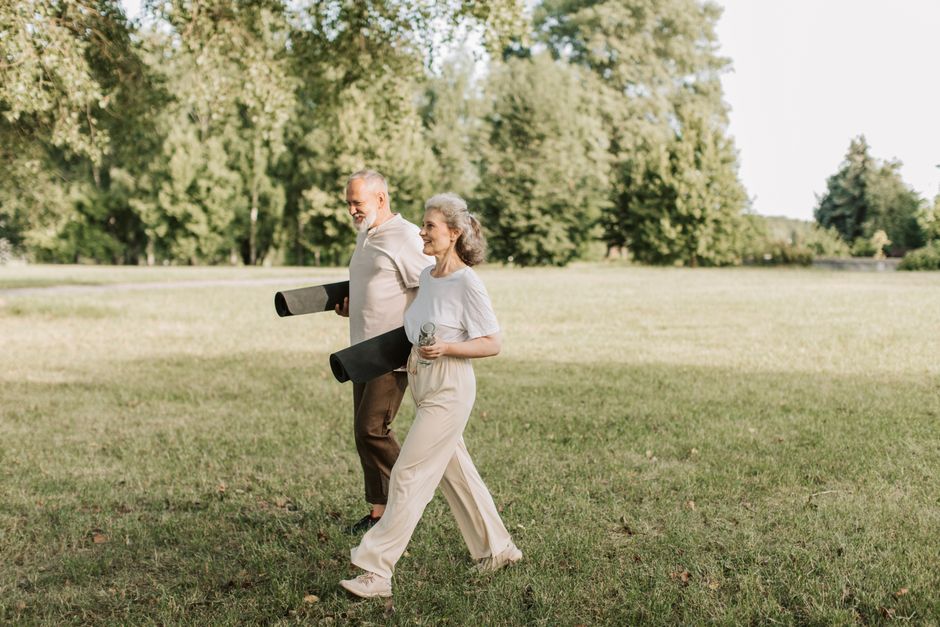
Walking yoga for weight loss is a hybrid exercise method that alternates between walking intervals and yoga poses, such as lunges, warriors, and standing balances. This approach helps you burn more calories than walking alone by adding resistance and muscle engagement, while the yoga portion lowers stress hormones that can drive belly fat storage. It works for weight loss because it increases total daily energy expenditure and builds lean muscle, which supports a faster metabolism over time. You can do it anywhere with just a mat and a pair of walking shoes.
Most generic search results describe walking yoga as a vague wellness trend. This article breaks down the actual calorie burn, the specific poses that matter, and how to structure a session that fits a busy schedule. You will also get honest answers about whether this method outperforms traditional walking or strength training.
Key Points at a Glance
| Point | What It Means | Why It Matters |
|---|---|---|
| Calorie burn | Roughly 250 to 350 calories per 45-minute session | Comparable to brisk walking, with added muscle benefits |
| Muscle engagement | Yoga poses activate core, glutes, and legs | More muscle means a slightly higher resting metabolism |
| Stress reduction | Deep breathing lowers cortisol levels | Lower cortisol can reduce abdominal fat storage |
| Accessibility | No gym equipment required | Easy to start at home or outdoors |
| Recovery impact | Low joint stress compared to running | Can be done daily without overuse injuries |
How Many Calories Does Walking Yoga Actually Burn?
Calorie burn depends on your body weight, intensity, and how long you hold each pose. A 150-pound woman walking at a moderate pace of 3.5 miles per hour burns roughly 150 calories in 30 minutes. Adding yoga poses like chair pose, warrior II, and low lunges increases that number to about 200 to 250 calories in the same timeframe.
Heavier individuals burn more because moving a larger body requires more energy. A 200-pound person can expect to burn roughly 270 to 330 calories in a 45-minute walking yoga session. I always tell my clients to wear a heart rate monitor for the first few sessions — it gives you a real number instead of a guess.
What is Walking Yoga for Weight Loss — The Core Poses That Matter
Not all yoga poses are equal for weight loss. The ones that matter most are standing poses that require balance and strength, because they raise your heart rate while building lean muscle. Warrior I and II, triangle pose, chair pose, and crescent lunge are the most effective choices.
Hold each pose for 30 to 60 seconds before flowing into the next one. The transition between poses is where the cardio effect happens. I have found that moving quickly between warrior II and reverse warrior creates a burn in the thighs that feels like a squat session at the gym.
End each session with a slower sequence of forward folds and child’s pose to bring your heart rate down. This cooldown phase is not wasted time — it signals your body to shift from stress mode to recovery mode, which helps with fat loss over the long term.
How to Structure a Walking Yoga Session for Fat Loss
A well-designed session lasts 40 to 50 minutes and follows a simple pattern. Start with a 10-minute brisk walk to warm up your muscles and elevate your heart rate. Then alternate between 5 minutes of walking and 5 minutes of yoga poses for the next 30 minutes.
Finish with 5 to 10 minutes of slower stretching and deep breathing. This structure keeps your heart rate elevated while giving your muscles enough variety to stay challenged. Beginners should start with three sessions per week and gradually add a fourth or fifth day as their fitness improves.
One mistake I see often is making the walking portion too slow. The walking intervals should feel like you are slightly late for an appointment — purposeful and steady. If you can hold a full conversation without breathing harder, pick up the pace.
Does Walking Yoga Beat Traditional Walking or Strength Training?
The evidence is mixed on whether walking yoga outperforms other forms of exercise for weight loss. Some studies suggest that combining aerobic exercise with resistance training produces better body composition changes than either alone. Walking yoga does exactly that by merging both into one session.
However, traditional strength training with heavier weights builds more muscle mass over time. That means a higher resting metabolism compared to walking yoga alone. The advantage of walking yoga is sustainability — it feels less intimidating than a gym workout and is easier to stick with for months.
Research published in the Journal of Obesity found that consistent moderate exercise combined with dietary changes produced the most reliable long-term weight loss. Walking yoga qualifies as moderate exercise for most people. The key is consistency rather than intensity.
Common Mistakes That Slow Down Weight Loss Results
The biggest mistake is treating walking yoga as a passive activity. If you are not breathing harder during the walking intervals and feeling your muscles shake during the poses, you are not working hard enough. Weight loss requires an energy deficit, and that means your body needs to work.
Another mistake is skipping the yoga portion entirely and just walking longer. That turns the session into regular walking, which is fine but does not provide the muscle-building benefits that support long-term metabolic health. The yoga poses are not optional — they are what makes this method different.
I also see people holding their breath during challenging poses. Breathing is not just relaxation — it delivers oxygen to working muscles and helps your body burn fat more efficiently. Exhale as you move into a pose, and inhale as you hold it.
Related Articles
Frequently Asked Questions
What is walking yoga for weight loss?
Walking yoga is a hybrid exercise that alternates between brisk walking intervals and standing yoga poses. It raises your heart rate while building muscle, which supports calorie burn and fat loss.
How often should I do walking yoga to see results?
Most people see changes with three to five sessions per week. Consistency matters more than intensity for long-term weight loss.
Do I need any special equipment for walking yoga?
You only need comfortable walking shoes and a non-slip mat for the yoga portion. No gym membership or heavy weights are required.
Can walking yoga replace my regular gym workout?
It can replace moderate cardio sessions, but not heavy strength training. If your goal is maximum muscle growth, add traditional resistance training one or two days per week.
How soon will I notice weight loss from walking yoga?
Most people notice a difference in clothing fit within four to six weeks when combined with a balanced diet. The scale may not move much early because muscle weighs more than fat.
Is walking yoga safe for beginners with joint pain?
Yes, it is low-impact and gentler on knees and hips than running. Start with shorter sessions and modify poses by using a chair for balance if needed.
Walking yoga offers a practical middle ground between cardio and strength training. It fits into a busy schedule, requires no equipment, and works your whole body. Pair it with a consistent calorie deficit using our TDEE calculator to understand your daily energy needs, and you have a sustainable plan for weight loss.

The TDEECAL Team writes about nutrition, metabolism, and fat loss the way we built our calculator, with real numbers and no hype. We dig into the research so you don’t have to guess.