Which Fruit is Best for Weight Loss?
Most people assume all fruit is equally helpful when you’re trying to lose weight. That assumption costs you results.
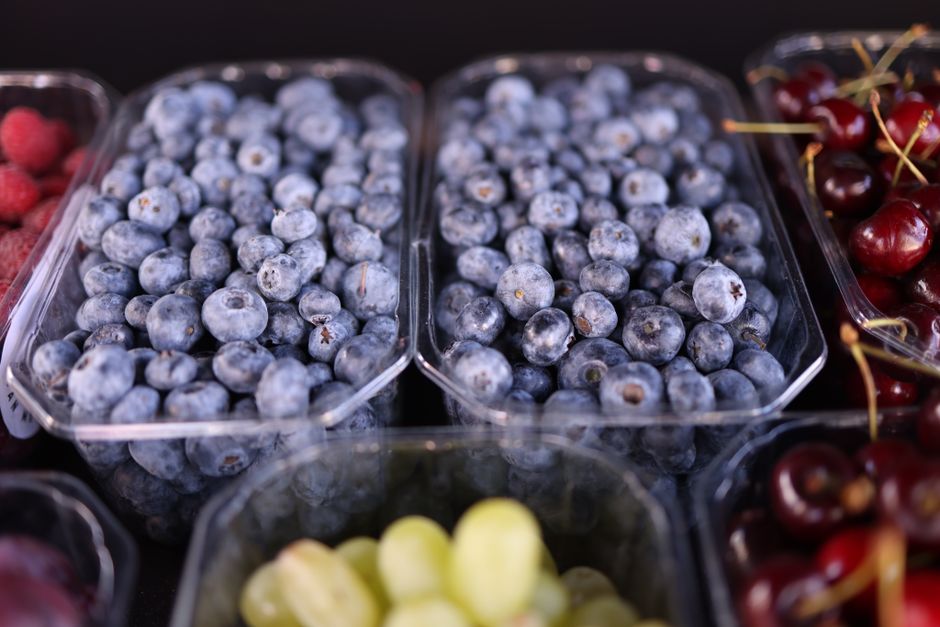
When asking which fruit is best for weight loss, the honest answer is berries—specifically blueberries and strawberries. Berries deliver the most fiber and water per calorie of any common fruit, which means they fill you up for very few calories. A full cup of strawberries has about 50 calories and 3 grams of fiber, making it one of the most filling options you can choose.
This article breaks down the science behind fruit and weight loss, compares the top contenders, and gives you a practical way to think about fruit that doesn’t require giving up your favorites. Most generic advice tells you to “eat more fruit” without explaining why some fruits work better than others for satiety and calorie control.
You’ll also learn which fruits to limit—not avoid—and how to fit them into a calorie deficit without feeling deprived. The goal here is clarity, not perfection.
Key Points at a Glance
| Point | What It Means | Why It Matters |
|---|---|---|
| Berries lead for weight loss | Highest fiber-to-calorie ratio | Keeps you full longer per calorie eaten |
| Whole fruit beats juice | Juice removes fiber and concentrates sugar | Liquid calories don’t trigger fullness |
| Portion size still counts | Even healthy fruit has calories | Overeating any food stalls weight loss |
| Frozen is as good as fresh | Nutrients are preserved at peak ripeness | Lets you eat berries year-round affordably |
What Makes a Fruit Good for Weight Loss?
Three factors determine how well a fruit supports weight loss: calorie density, fiber content, and water content. Fruits that score high on fiber and water but low on calories keep you satisfied without blowing your daily budget.
Fiber is the key player here. It slows digestion, stabilizes blood sugar, and sends fullness signals to your brain. Water adds volume without adding calories, so you can eat a larger portion for fewer calories.
Practical tip: When I’m building a fruit salad for clients, I always make berries the base and treat higher-calorie fruits like mango or banana as a topping, not the main event. That one swap changes the calorie count dramatically.
Sugar content matters too, but not the way you might think. All fruit contains natural sugar, but the fiber in whole fruit slows how fast that sugar hits your bloodstream. That’s why a whole apple affects your body differently than apple juice with the same sugar content.
Which Fruit Is Best for Weight Loss Compared to Others?
If you’re asking which fruit is best for weight loss, the comparison comes down to calories per cup and fiber per serving. Berries win on both counts. A cup of raspberries has about 65 calories and 8 grams of fiber—that’s a third of many women’s daily fiber needs in a single serving.
Apples and pears are strong runners-up. A medium apple has about 95 calories and 4 grams of fiber, plus a high water content that adds volume. Grapefruit also performs well, with about 52 calories per half fruit and a solid fiber punch.
At the other end of the spectrum, fruits like bananas, grapes, and cherries pack more calories per cup because they’re denser and higher in sugar. That doesn’t make them bad—it just means portions need to be smaller. A banana is about 105 calories, which is fine, but it won’t fill you up the way two cups of strawberries will for the same calories.
I keep a bag of frozen mixed berries in my freezer at all times. When I want something sweet at night, I microwave a cup with a sprinkle of cinnamon. It tastes like dessert and costs about 70 calories.
How Much Fruit Should You Eat for Weight Loss?
Most dietary guidelines suggest about 1.5 to 2 cups of fruit per day for adult women. That amount fits comfortably into a weight loss calorie budget without crowding out other important foods.
Within that range, the distribution matters more than the total. Aim for at least half of your fruit servings to come from berries, apples, or citrus. Save the higher-calorie fruits for days when you’re more active or when you specifically crave them.
One common mistake is treating fruit as “free food” that doesn’t count. It does count. Two cups of grapes have about 120 calories, and it’s easy to eat three times that amount in one sitting without noticing.
Practical tip: Pre-portion your fruit when you buy it. Put one cup of berries in small containers so you grab a serving, not a bag. This single habit prevents the mindless overeating that derails many weight loss efforts.
If you’re tracking calories, use our TDEE Calculator to find your maintenance number, then subtract 300 to 500 calories for weight loss. Fruit fits into that plan easily when you know your numbers.
Does Fruit Timing Matter for Weight Loss?
Some popular advice claims you should only eat fruit in the morning or on an empty stomach. The evidence doesn’t support that claim. Your body handles fruit the same way regardless of when you eat it.
What matters more is what you eat alongside fruit. Pairing fruit with protein or fat—like apple slices with peanut butter or berries with Greek yogurt—slows digestion further and keeps you full longer. That combination works better for weight loss than eating fruit alone.
Eating fruit after a meal can help satisfy a sweet craving without reaching for processed desserts. This substitution strategy is one of the most effective ways to reduce overall calorie intake without feeling deprived.
Frequently Asked Questions
Related Articles
Is Which Fruit is Best for Weight Loss Different for Everyone?
Yes, individual preferences and tolerances matter, but the general ranking stays consistent. Berries, apples, and citrus outperform bananas, grapes, and mangoes for most people in terms of fullness per calorie.
Can I Eat Fruit at Night and Still Lose Weight?
Yes, eating fruit at night does not prevent weight loss. Total daily calories matter far more than the time of day you eat fruit.
Are Dried Fruits Okay for Weight Loss?
Dried fruits are much higher in calories per serving because water is removed. A quarter cup of raisins has about 120 calories, while a full cup of grapes has about 104.
Is Fruit Juice as Good as Whole Fruit?
No, fruit juice lacks the fiber that makes whole fruit filling. Even 100 percent juice concentrates sugar and calories without the satiety benefit.
How Many Servings of Fruit Should I Eat Daily?
Most guidance suggests 1.5 to 2 cups of fruit per day for adult women. This amount fits well within a weight loss calorie deficit.
Does Frozen Fruit Lose Its Weight Loss Benefits?
No, frozen fruit retains its fiber and most of its nutrients. It’s often picked at peak ripeness, making it a smart and affordable choice year-round.
When you’re deciding which fruit is best for weight loss, remember that consistency beats perfection. Choose berries most often, keep portions reasonable, and pair fruit with protein when you can. These small choices add up to real results over time.
Start with one change this week: swap one higher-calorie fruit snack for a cup of berries. Track how you feel and how your progress responds. That single swap might be the shift you needed.

The TDEECAL Team writes about nutrition, metabolism, and fat loss the way we built our calculator, with real numbers and no hype. We dig into the research so you don’t have to guess.