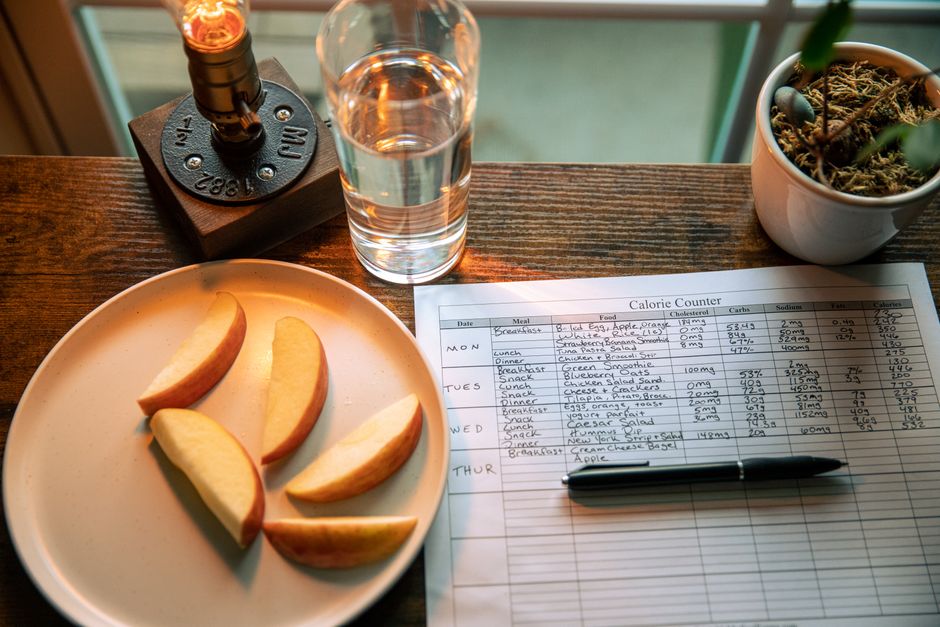
How Much Calories Should Take for Weight Loss
Most women overestimate how many calories they burn and underestimate what they eat. That gap is usually why the scale stops moving.
To answer how much calories should take for weight loss: most women need between 1,400 and 1,800 calories per day to lose weight safely. This number depends on your age, height, current weight, and activity level. A calorie deficit of about 500 calories per day leads to roughly one pound of weight loss per week. The exact figure varies, so calculating your personal maintenance number first is the smartest approach.
Generic advice like “eat less and move more” fails most people because it ignores individual metabolic differences. Two women of the same age and weight can have very different calorie needs. This article breaks down how to find your number, what happens when you cut too aggressively, and why protein matters more than most people realize.
You will not find a one-size-fits-all magic number here. You will find a clear method for calculating your own target, plus honest guidance on what the evidence actually supports.
Key Points at a Glance
| Point | What It Means | Why It Matters |
|---|---|---|
| Calorie deficit | Eating fewer calories than you burn | This is the only proven way to lose weight |
| Deficit size | 500 calories below maintenance | Leads to about one pound lost per week |
| Minimum intake | 1,200 calories for women | Going lower requires medical supervision |
| Protein intake | Roughly 0.7 grams per pound of body weight | Preserves muscle while losing fat |
| Adjustment period | Recheck after 4-6 weeks | Weight loss slows as your body adapts |
How Do You Calculate Your Personal Calorie Target?
Your total daily energy expenditure, or TDEE, is the number of calories your body burns each day. This includes your resting metabolism, digestion, and physical activity. To lose weight, you eat less than this number.
You can find your TDEE using a calculator that factors in your age, sex, height, weight, and activity level. A TDEE calculator does this math in seconds. Once you have that number, subtract 300 to 500 calories for a sustainable deficit.
I have seen women use the “sedentary” activity setting when they actually walk 8,000 steps a day. That mistake makes their target too low, which leads to hunger and eventually quitting. Be honest about your activity level when you calculate.
What Happens If You Eat Too Few Calories?
Cutting calories too low backfires for most women. Research consistently shows that severe restriction slows your metabolism and increases muscle loss. Your body also raises hunger hormones, making it harder to stick with the plan.
For women, 1,200 calories per day is the clinical minimum. Below that, you risk nutrient deficiencies, hair loss, and disrupted sleep. Some studies indicate that chronic undereating can also affect thyroid hormone levels.
One thing I notice with clients who eat under 1,200 calories: they lose weight fast at first, then plateau hard. Their bodies adapt, their energy drops, and the weight comes back quickly when they resume normal eating. Slow and steady genuinely works better here.
No established clinical guideline supports very low-calorie diets without medical supervision. These diets, often under 800 calories, are only used in supervised clinical settings for specific cases.
How Much Protein Do You Need While Losing Weight?
Protein is the most important macronutrient during weight loss. It preserves lean muscle, keeps you full longer, and has a higher thermic effect than carbs or fat. That means your body burns more calories digesting protein.
Evidence indicates that roughly 0.7 grams of protein per pound of body weight is effective for most women. For a 160-pound woman, that is about 112 grams per day. This is higher than the standard recommendation because it specifically supports muscle preservation during a deficit.
I always tell women to start with protein at breakfast. Most people eat very little protein in the morning, then try to catch up at dinner. A 30-gram breakfast sets you up for an easier day.
Good sources include eggs, Greek yogurt, chicken, fish, tofu, and legumes. Spreading protein across three to four meals works better than eating it all at once.
How Much Calories Should Take for Weight Loss by Activity Level?
Sedentary women generally need 1,400 to 1,600 calories per day for weight loss. Women who exercise three to five times per week can often eat 1,600 to 1,800 calories and still lose weight. Very active women may need 1,800 to 2,000 calories.
These ranges assume an average-height woman in her 40s or 50s. Taller women and those with more muscle mass need more calories. Shorter women often need fewer.
The ranges also assume you are accurately tracking what you eat. Most people underestimate their intake by 200 to 400 calories per day. Using a food scale for at least two weeks helps correct this.
Your activity level matters more than you might think. A 45-minute walk five days a week adds roughly 1,000 to 1,500 calories of expenditure per week. That can mean an extra half-pound of loss each week without eating less.
How Fast Should You Expect to Lose Weight?
A safe, sustainable rate is one to two pounds per week. Anything faster usually means you are losing water weight and muscle, not just fat. Rapid loss also increases your risk of gallstones and other complications.
Some studies indicate that slower weight loss leads to better long-term maintenance. Women who lose weight gradually are more likely to keep it off. This matters because most weight regain happens within two years.
Your first week may show a larger drop due to water loss. That is normal and not a sign that your calorie target is working better than expected. After the first two weeks, aim for the steady one-to-two-pound pattern.
If you have not lost anything after three weeks, reduce your intake by 100 to 150 calories per day or add more movement. Small adjustments beat drastic cuts every time.
Frequently Asked Questions
Related Articles
Is 1,200 calories a day safe for weight loss?
1,200 calories is the minimum clinical threshold for women, but it is not right for everyone. Going below this requires medical supervision and risks nutrient deficiencies.
How do I know my maintenance calories?
Your maintenance calories are what you need to keep your weight stable. Use a TDEE calculator and track your food for two weeks to confirm the number is accurate.
Do I need to count calories forever?
No, most women count calories for 4-8 weeks to learn proper portions. After that, many switch to intuitive eating or meal templates based on what they learned.
Why am I not losing weight at 1,500 calories?
You may be underestimating portions, overestimating activity, or your metabolism has adapted to a previous low-calorie diet. Track everything for one week, including oils and drinks, to find the gap.
Can I lose weight without counting calories?
Yes, some women succeed with portion control, higher protein, and more vegetables. This approach works best for those who never had a serious overeating problem.
What is the best calorie deficit for women over 50?
Women over 50 often need a smaller deficit of 300-400 calories because their maintenance is lower. Strength training becomes more important to preserve muscle and bone density.
Finding your personal calorie target takes some trial and error. Start with a TDEE calculator, choose a moderate deficit, and adjust based on your results after a few weeks.

The TDEECAL Team writes about nutrition, metabolism, and fat loss the way we built our calculator, with real numbers and no hype. We dig into the research so you don’t have to guess.