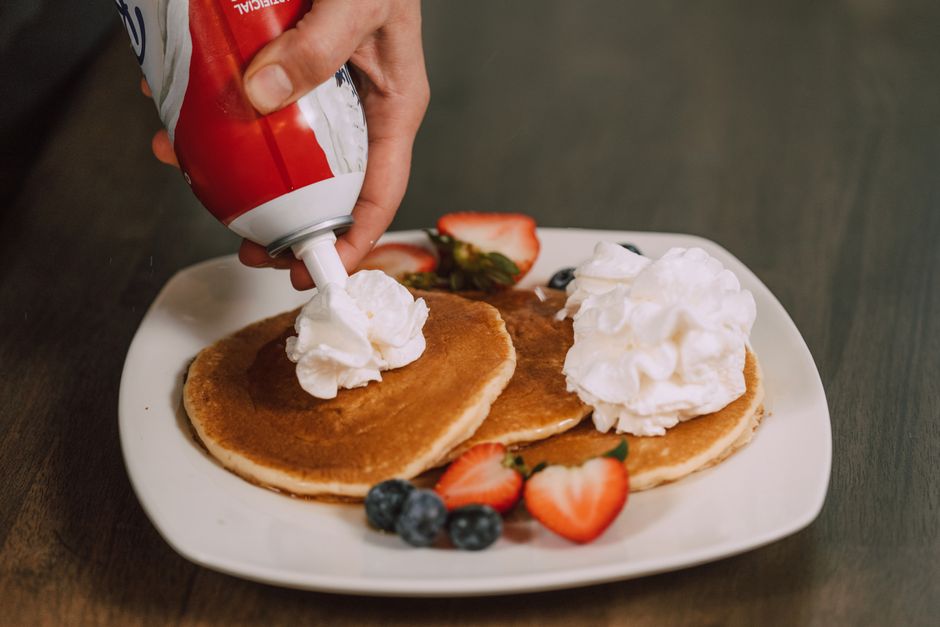
Is Whipped Cream Good for Weight Loss?
Whipped cream often feels like a forbidden food when you’re watching your weight. But the real answer might surprise you.
The short answer is yes, whipped cream can fit into a weight loss plan, but only when you treat it as a controlled indulgence rather than a free-for-all. A typical two-tablespoon serving of regular whipped cream contains roughly 15 to 30 calories, depending on the brand and whether it’s homemade or store-bought. That makes it one of the lower-calorie dessert toppings available, especially when compared to chocolate syrup, caramel sauce, or a scoop of ice cream.
Most people don’t fail at weight loss because of whipped cream. They fail because they eat it straight from the can or pile it onto desserts that are already high in sugar and calories. This article covers what the research actually says about whipped cream and weight management, how to portion it sensibly, and which types are worth choosing at the grocery store.
Key Points at a Glance
| Point | What It Means | Why It Matters |
|---|---|---|
| Calorie content | About 15–30 calories per 2-tablespoon serving | Low enough to fit into most daily calorie budgets |
| Sugar content | Sweetened versions add 1–2 grams of sugar per serving | Small amounts won’t spike blood sugar significantly |
| Satiety value | Fat provides some fullness, but air means low volume | Helps curb sweet cravings without derailing progress |
| Portion control | Hard to measure when eating straight from the can | Pre-portioned servings prevent accidental overeating |
| Nutrition quality | Minimal protein, vitamins, or fiber | Treat it as a topping, not a food group |
What Does the Research Say About Whipped Cream and Weight Loss?
Research consistently shows that restrictive diets fail when people feel deprived. A 2018 study published in the journal Nutrients found that flexible dietary approaches, which allow small indulgences, lead to better long-term adherence than rigid rules that ban entire food categories. Whipped cream fits into that flexible model because its calorie cost is relatively low.
The bigger concern isn’t the whipped cream itself. It’s what you put it on. A dollop of whipped cream on fresh strawberries is a smart dessert choice. The same dollop on a slice of cheesecake adds calories to an already calorie-dense food. Some studies suggest that eating satisfying foods in small amounts can reduce overall cravings, which may help prevent binge episodes later.
One thing to watch is the type of whipped cream you buy. Many aerosol cans contain hydrogenated oils or high-fructose corn syrup. These ingredients add calories without adding any nutritional benefit. Reading the label takes ten seconds and makes a real difference.
How Many Calories Are in Whipped Cream?
The calorie count depends entirely on the type and how much you use. A standard two-tablespoon serving of regular sweetened whipped cream from an aerosol can contains about 15 to 20 calories. Homemade whipped cream made with heavy cream and sugar runs closer to 50 to 60 calories per two-tablespoon serving because it contains more actual cream per volume.
Light whipped cream products cut calories to roughly 10 to 15 calories per serving by whipping in more air and using skim milk. But they often add thickeners and stabilizers to maintain texture. Sugar-free versions use artificial sweeteners, which some people prefer to avoid.
The math works in your favor if you keep portions honest. A quarter-cup of whipped cream adds only 30 to 40 calories to a bowl of berries. That’s a trade most people can afford within a standard 1,500 to 1,800 calorie weight loss plan. The problem is that a “serving” from a can is easy to double or triple without thinking about it.
Is Whipped Cream Good for Weight Loss Compared to Other Dessert Toppings?
Yes, whipped cream is good for weight loss when compared to most common alternatives. Let’s look at the numbers for a standard two-tablespoon serving:
- Whipped cream (regular): 15–20 calories
- Chocolate syrup: 100–110 calories
- Caramel sauce: 110–130 calories
- Honey: 120 calories
- Sugar: 90 calories
- Ice cream topping (hot fudge): 130–150 calories
Whipped cream wins because it’s mostly air. You get a generous-looking portion for very few calories. That visual volume matters for satisfaction. Research on food psychology suggests that people feel more satisfied when their plate looks full, even if the actual calorie content is lower.
The catch is added sugar. Many commercial whipped creams list sugar as the second or third ingredient. The actual sugar content per serving is small, usually one to two grams, but it adds up if you’re using whipped cream daily. Unsweetened versions exist, but they taste noticeably different. Most people prefer a lightly sweetened product.
What Type of Whipped Cream Should You Buy?
The grocery store aisle offers more options than ever, and the differences matter more than you might expect. Here’s a breakdown of what to look for:
Regular aerosol whipped cream: This is the classic red can. It contains cream, sugar, and stabilizers. At roughly 15–20 calories per serving, it’s a reasonable choice for most people. The main downside is the stabilizers and the fact that the serving size is easy to overshoot.
Light whipped cream: These products cut calories to about 10–15 per serving. They achieve this by using less cream and more air or skim milk. The texture is slightly thinner, but most people can’t tell the difference on top of coffee or fruit. This is a solid option if you use whipped cream daily.
Homemade whipped cream: Made from heavy cream, sugar, and vanilla, this version runs 50–60 calories per two-tablespoon serving. It tastes richer and contains fewer additives. But the calorie cost is higher, and the serving size tends to creep up because it’s easy to take “just one more spoonful.”
Non-dairy whipped toppings: These are often the worst choice for weight loss. Many contain hydrogenated oils and more sugar than dairy versions. They also tend to have a higher calorie count per serving, sometimes 25–35 calories. The taste is noticeably artificial to most people.
Practical Ways to Use Whipped Cream for Weight Loss
Using whipped cream strategically can actually help your weight loss efforts. The key is pairing it with foods that add nutritional value rather than empty calories. Here are some combinations that work:
Whipped cream and berries: A cup of strawberries or blueberries with two tablespoons of whipped cream makes a satisfying dessert for under 100 calories. The berries provide fiber and vitamin C. The whipped cream adds a creamy texture that makes the dessert feel indulgent.
Whipped cream on coffee: A small dollop on top of black coffee adds creaminess without the calories of milk and sugar. This works especially well for people transitioning from sugary coffee drinks, which can pack 200–400 calories per serving.
Whipped cream on sugar-free gelatin: This combination gives you a dessert that feels much more decadent than its calorie count suggests. A half-cup of sugar-free gelatin with whipped cream totals about 25–30 calories.
Whipped cream as a fruit dip: Mix a tablespoon of whipped cream with plain Greek yogurt for a high-protein fruit dip. The yogurt adds protein and fullness, while the whipped cream adds sweetness and a lighter texture.
Frequently Asked Questions
Related Articles
Can I eat whipped cream every day while losing weight?
Yes, you can eat whipped cream daily if you keep portions to one or two tablespoons. The key is staying within your overall calorie budget for the day.
Is sugar-free whipped cream better for weight loss?
Sugar-free whipped cream saves about 5–10 calories per serving, which is minimal. Some people prefer it to avoid added sugar, but the calorie difference is unlikely to affect weight loss outcomes.
Does whipped cream cause blood sugar spikes?
A standard serving of whipped cream contains only 1–2 grams of sugar, so it has minimal effect on blood sugar. The bigger concern is what you put it on, not the whipped cream itself.
Is homemade whipped cream healthier than store-bought?
Homemade whipped cream has fewer additives but more calories per serving, roughly 50–60 calories versus 15–20. It’s a trade-off between ingredient quality and calorie density.
How much whipped cream is too much for weight loss?
More than a quarter-cup per day starts to add noticeable calories without providing meaningful fullness. Stick to one or two tablespoons for daily use and save larger portions for occasional treats.
Can whipped cream help curb sugar cravings?
Some research suggests that small amounts of satisfying sweets can reduce overall cravings. The fat in whipped cream provides more satiety than pure sugar, which may help you feel satisfied with less.
To figure out exactly how whipped cream fits into your personal calorie budget, use our TDEE Calculator to find your maintenance calories and plan your deficit accordingly.

The TDEECAL Team writes about nutrition, metabolism, and fat loss the way we built our calculator, with real numbers and no hype. We dig into the research so you don’t have to guess.