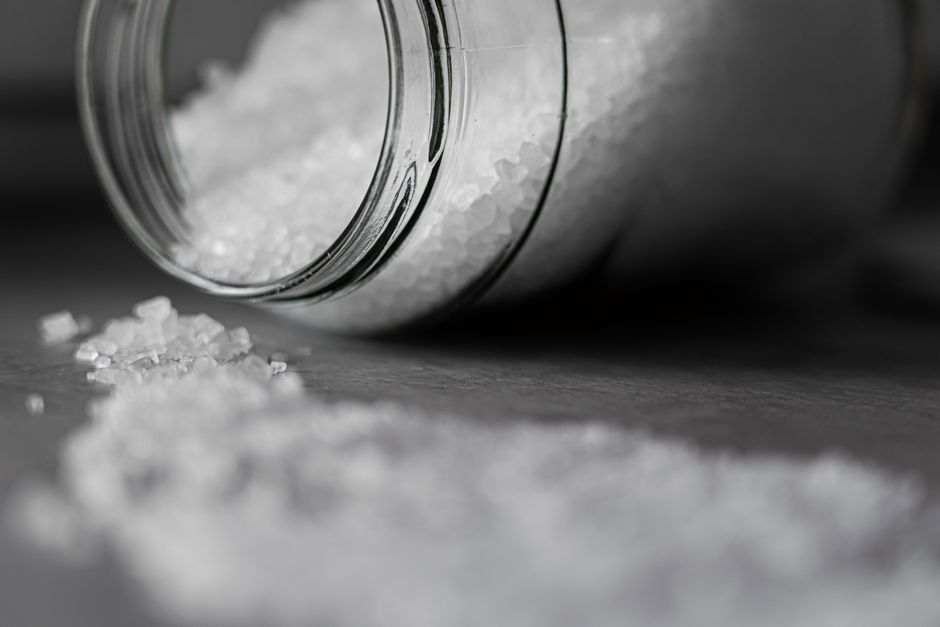
Sodium gets blamed for a lot of things at the scale — water weight, bloating, that puffy feeling after a restaurant meal — and most of the blame is misplaced. The real story is more useful than the myth.
Yes, sodium is okay for weight loss — your body needs it to function. Sodium itself does not cause fat gain; it causes temporary water retention. The key is managing high-sodium foods, since most of them are also calorie-dense processed foods that can stall fat loss. So when you ask “is sodium ok for weight,” the answer is yes — but the source and amount matter.
Here is what gets lost in most search results. Sodium is an essential mineral. Your nerves and muscles cannot work without it. Cutting it to near zero is not a weight-loss strategy — it is a way to feel awful.
But there is a real link between sodium and the scale. It is just not the link most people assume. This article separates water weight from fat loss, explains how much sodium is actually reasonable, and shows you how to keep salt in your food without sabotaging your progress.
One quick note before we go further. If you have high blood pressure, kidney disease, or heart failure, talk to your doctor about sodium. General guidance does not replace medical advice for those conditions.
Key Points at a Glance
| Point | What It Means | Why It Matters |
|---|---|---|
| Sodium does not create fat | Extra sodium pulls water into your tissues, not fat onto your body | A 2-pound jump overnight is usually water, not fat |
| Most sodium comes from packaged food | Roughly 70% of dietary sodium in the US comes from processed and restaurant foods | Those same foods tend to be high in calories too |
| Cutting sodium too hard backfires | Severe restriction can cause fatigue, headaches, and dizziness | Feeling bad makes it hard to stick with any plan |
| Potassium helps balance sodium | Foods like beans, potatoes, and leafy greens help your body regulate fluid | Balance matters more than cutting salt to zero |
Does Sodium Cause Weight Gain or Just Water Weight?
Sodium causes water weight, not fat gain. When you eat a salty meal, your body holds extra fluid to keep sodium levels in a safe range. That can show up as one to three pounds on the scale the next morning. It is temporary and it is not fat.
Fat gain comes from a calorie surplus over time, not from salt. But here is the catch. High-sodium foods in the American diet are usually also high in calories — chips, deli meat, frozen dinners, fast food. So sodium often travels with the foods that do drive fat gain. The salt is not the problem. The package it comes in usually is.
How Much Sodium Is Okay When You’re Trying to Lose Weight?
Federal dietary guidance in the US recommends keeping sodium under 2,300 mg per day for most adults. That is about one teaspoon of table salt. Many health organizations suggest closer to 1,500 mg for people with high blood pressure, though that lower target is a clinical recommendation, not a universal rule.
For weight loss specifically, no established guideline ties a specific sodium number to faster fat loss. The evidence does not support one. What the research does show is that reducing heavily processed foods tends to lower both sodium and calories at the same time — and that combination is what moves the scale.
I keep a shaker on the table and salt my own cooking generously. The difference is that I am salting real food I made, not a frozen meal with 900 mg built in. That one habit change cut my sodium more than any restriction ever did.
Is Sodium Ok for Weight Loss If You Cook at Home?
Yes — home cooking is where sodium becomes a non-issue. When you salt your own food, you control the amount. A pinch of salt on roasted vegetables or grilled chicken adds flavor with a fraction of the sodium in a packaged equivalent.
Restaurant and packaged foods are where sodium adds up fast. A single fast-food meal can exceed a full day’s recommended limit. If you track calories with a TDEE calculator, you already know your daily target — pair that with mostly home-cooked meals and sodium largely takes care of itself.
What About Potassium and Fluid Balance?
Potassium and sodium work as a team. Potassium helps your body release excess sodium and regulate fluid. Most Americans get too much sodium and too little potassium — the reverse of what the body handles best.
Foods rich in potassium include beans, lentils, potatoes, bananas, spinach, and yogurt. Adding these to your plate supports fluid balance without any strict salt restriction. Some studies suggest a higher potassium intake is linked to better blood pressure, though the evidence on weight loss specifically is limited.
Should You Cut Sodium to Lose Weight Faster?
Cutting sodium will lower the number on the scale quickly — but almost all of that drop is water. It is not fat loss, and it reverses as soon as you eat normally again. This is why very-low-sodium diets can feel dramatic for a week and then stall.
Severe sodium restriction also carries real downsides. It can cause fatigue, headaches, and dizziness, especially if you exercise or sweat a lot. The evidence is mixed on whether aggressive sodium cutting helps long-term weight loss at all. The more reliable path is reducing processed food, eating enough protein, and staying in a modest calorie deficit.
Related Articles
Frequently Asked Questions
Does sodium make you gain fat?
No, sodium does not cause fat gain. It causes temporary water retention, which can add a pound or two on the scale for a day or two.
How much sodium is okay per day for weight loss?
Federal guidance recommends staying under 2,300 mg per day for most adults. No established guideline ties a specific sodium number to faster fat loss.
Why did I gain weight after a salty meal?
Your body holds extra water to balance the sodium, which shows up on the scale. This water weight usually drops within a few days once sodium levels normalize.
Is it okay to salt your food when trying to lose weight?
Yes, salting home-cooked food is fine and adds flavor without much sodium. The bigger concern is packaged and restaurant food, which carries most of the sodium in the American diet.
Does drinking more water help with sodium and bloating?
Yes, drinking enough water helps your body regulate sodium and reduce puffiness. Staying hydrated supports fluid balance rather than making bloating worse.
Can cutting sodium help you lose weight faster?
Cutting sodium can lower the scale quickly, but that drop is water, not fat. The evidence does not show that severe sodium restriction speeds up fat loss.

The TDEECAL Team writes about nutrition, metabolism, and fat loss the way we built our calculator, with real numbers and no hype. We dig into the research so you don’t have to guess.