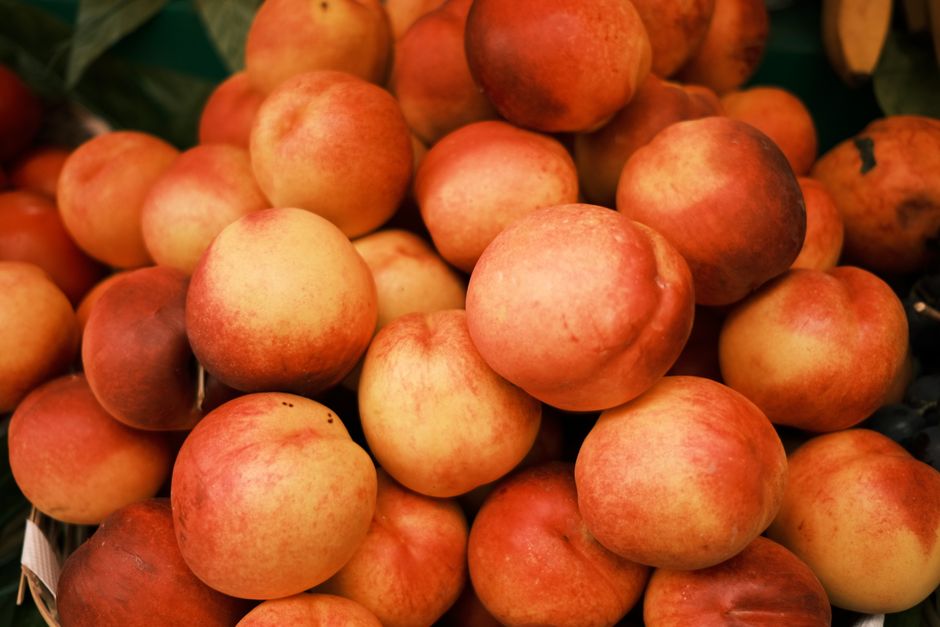
A ripe peach is about 87% water, which is why it can feel like a strange choice when you are counting every calorie. The short answer surprises most people.
Yes, peaches are healthy for weight loss. A medium peach has roughly 60 calories, about 2 grams of fiber, and high water content that helps with fullness. Are peaches healthy for weight loss plans? They fit well when eaten whole, but canned peaches in syrup and juice add concentrated sugar that works against a calorie deficit.
Peaches rarely get the attention that berries and apples do in weight loss advice. That is a mistake. They are lower in calories than a banana, easier to portion than grapes, and one of the few fruits that satisfies a sugar craving without a candy bar.
But there is a catch most articles skip. How the peach is prepared matters more than the peach itself. A fresh peach and a cup of peaches in heavy syrup are not the same food from a metabolic standpoint, even though both carry the word “peach” on the label.
This article covers the actual calorie and fiber numbers, how peaches compare to other fruits, and the one preparation mistake that quietly adds 100 calories to a single serving. You will also get a straight answer on whether fruit sugar matters for fat loss.
Key Points at a Glance
| Point | What It Means | Why It Matters |
|---|---|---|
| Calories per medium peach | Roughly 50 to 60 calories, per USDA data | Low enough to eat daily without breaking a deficit |
| Fiber content | About 2 grams per medium peach | Fiber slows digestion and supports fullness between meals |
| Water content | Roughly 87% water by weight | High-water foods tend to reduce total calorie intake at a meal |
| Canned vs. fresh | Syrup-packed peaches can triple the sugar per serving | Preparation changes the calorie load more than the fruit does |
| Fruit sugar and fat loss | Whole fruit sugar is not the same as added sugar | Fiber and water slow absorption and blunt the blood sugar spike |
How Many Calories Are in a Peach?
A medium fresh peach, about 2.5 inches across, contains roughly 50 to 60 calories according to USDA data. That number shifts slightly with size and ripeness, since a very ripe peach holds more sugar than a firm one. A large peach can reach 70 calories, which is still modest.
Here is where people get tripped up. One cup of sliced peaches in heavy syrup runs roughly 190 calories and about 50 grams of sugar. The same cup in juice is lower but still well above fresh. If you eat canned peaches without checking the label, you may be eating the calorie equivalent of two fresh peaches plus a spoonful of sugar.
Are Peaches Healthy for Weight Loss Compared to Other Fruits?
Peaches hold their own against most fruits. An apple is similar in calories but slightly higher in fiber. Berries are lower in calories per cup but cost more and spoil faster. A banana carries about 105 calories, nearly double a peach. Peaches land in a practical middle ground: sweet enough to satisfy, low enough to fit most calorie targets.
One detail worth knowing is the skin. Peach skin holds a good share of the fiber and the antioxidants that give the fruit its color. Peeling a peach removes some of what makes it useful for appetite control. Wash it well and eat the skin when you can.
Does Fruit Sugar Stall Weight Loss?
Whole fruit sugar does not behave like added sugar in the body. The fiber and water in a peach slow digestion, so the sugar enters the bloodstream gradually rather than in a spike. Research on fruit intake and body weight has generally not found that whole fruit promotes weight gain, though results vary by population and total diet quality.
What does stall progress is liquid sugar. Peach juice, peach smoothies with added sweetener, and peach-flavored drinks deliver the sugar without the fiber. A cup of peach juice can carry 120 calories and almost no fiber. That is a very different food from the fruit it came from.
How Do Peaches Fit Into a Calorie Deficit?
A peach works best as a replacement, not an addition. Swap it for a 200-calorie granola bar and you have created a 140-calorie gap without feeling deprived. That is the practical math of weight loss. Small swaps compound.
To see how a peach fits your specific numbers, run your daily energy needs through the TDEE Calculator. It estimates the calories you burn in a day so you can set a realistic target. No food works in isolation. The peach is a useful tool inside a plan that already makes sense.
Is There a Downside to Eating Peaches?
Peaches are not a problem food for most people, but there are a few honest caveats. Some people with sensitive stomachs find the natural sugars in stone fruit cause mild bloating, especially when eaten in large amounts. And peach skin can carry pesticide residue, so washing matters. The Environmental Working Group has historically listed peaches among produce with higher residue levels, though the health benefits of eating fruit still outweigh the risk for most people.
If you have a diagnosed digestive condition or a fructose intolerance, talk to your doctor before making peaches a daily habit. For everyone else, one to two peaches a day is a reasonable and well-tolerated amount.
Related Articles
Frequently Asked Questions
Are peaches healthy for weight loss?
Yes, whole fresh peaches fit well into a weight loss plan because they are low in calories and high in water and fiber. The key is eating them fresh or in water, not packed in syrup.
How many calories are in one medium peach?
A medium fresh peach contains roughly 50 to 60 calories according to USDA data. The exact number varies slightly with size and ripeness.
Can eating peaches help you lose belly fat?
No single food targets belly fat, and no strong clinical evidence supports that claim for peaches. Peaches can help by replacing higher-calorie snacks, which supports an overall calorie deficit.
Are canned peaches bad for weight loss?
Canned peaches in heavy syrup can carry roughly three times the calories of fresh peaches per serving. Choose cans packed in water or with no sugar added instead.
Should you eat peach skin when trying to lose weight?
Yes, the skin holds a meaningful share of the fruit’s fiber and antioxidants. Wash the peach well and eat it whole when possible.
How many peaches can you eat a day on a diet?
One to two medium peaches a day fits comfortably within most calorie targets and is well tolerated by most people. Larger amounts may cause mild bloating in people sensitive to stone fruit.

The TDEECAL Team writes about nutrition, metabolism, and fat loss the way we built our calculator, with real numbers and no hype. We dig into the research so you don’t have to guess.