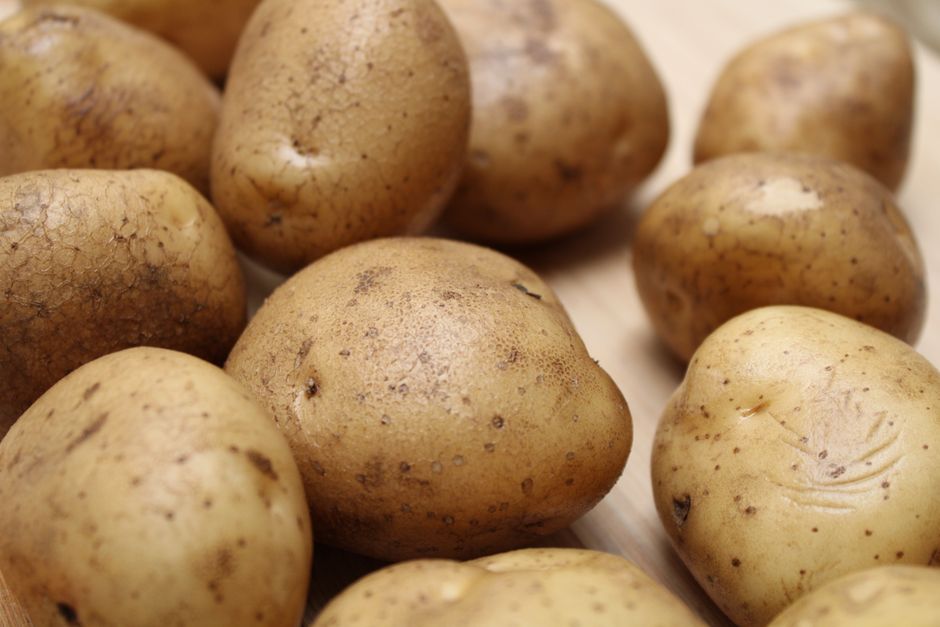
Jicama looks like a potato that went to the gym — pale, dense, and oddly satisfying to crunch. But does that crunch actually help when you’re trying to lose weight?
Yes, jicama can be good for weight loss. One cup of raw jicama has roughly 45 to 50 calories, about 6 grams of fiber, and high water content, according to USDA data. That combination makes it filling for very few calories. So is jicama good for weight? It earns a spot in a weight-loss eating plan — as a replacement for higher-calorie snacks, not as a fat burner.
Most search results either oversell jicama as a “metabolism booster” or bury the real numbers. Neither helps you.
This article gives you the actual calorie and fiber figures, explains where jicama fits in a calorie deficit, and covers the one real risk most articles skip. You’ll also get honest answers on jicama juice, jicama chips, and how it compares to other vegetables.
Key Points at a Glance
| Point | What It Means | Why It Matters |
|---|---|---|
| Low calorie density | About 45–50 calories per cup, raw | You can eat a satisfying volume for very few calories |
| Fiber content | Roughly 6 grams of fiber per cup | Fiber supports fullness and steady blood sugar |
| High water content | Jicama is mostly water by weight | Water volume adds fullness without calories |
| Jicama chips are different | Fried or heavily processed versions add oil and calories | The raw vegetable and the snack aisle product are not the same food |
| Raw root only | Leaves, stems, and seeds are toxic | Only the peeled root is safe to eat |
Is Jicama Good for Weight Loss Compared to Other Vegetables?
Jicama holds its own, but it isn’t magic. A cup of raw jicama lands around 45–50 calories, similar to a carrot and slightly more than cucumber or celery. What sets it apart is texture — it stays crisp and holds up in slaws and dips where softer vegetables go limp.
Research consistently shows that diets higher in fiber-rich vegetables support weight management, partly through increased fullness. Jicama fits that pattern. But no single vegetable drives weight loss on its own — the calorie deficit does. If you want to see how many calories you actually need each day, run your numbers through the TDEE Calculator first.
How Does Jicama Help With Fullness and Cravings?
Fiber and water do the heavy lifting. One cup of jicama delivers roughly 6 grams of fiber — a meaningful chunk of the 25 to 30 grams most adult women are advised to get daily. Fiber slows digestion and supports steadier blood sugar, which some studies link to fewer hunger swings.
The crunch matters more than people admit. Many of us eat for texture and stimulation, not just hunger. Jicama gives you something to actually chew — a real advantage over soft foods when a craving hits. And a pinch of chili powder and lime on jicama sticks makes a noticeably better snack than plain ones.
What About Jicama Chips and Jicama Juice?
This is where the health halo gets dangerous. Baked jicama chips sold in stores vary widely — some are mostly jicama, others are mostly oil and starch. Fried versions can land at 130 to 150 calories per small serving. Read the label, not the front of the bag.
Jicama juice is worse for weight loss. Juicing strips out the fiber that makes jicama filling, leaving mostly water and carbohydrate. You lose the exact benefit you were after. Whole jicama, eaten raw, is the version that supports your goals.
Is There Anything to Be Careful About With Jicama?
Yes, and it’s not minor. Only the peeled root is edible. Jicama leaves, stems, seeds, and pods contain rotenone, a compound toxic to humans. Buy the root, peel it, and discard everything else.
Jicama also contains oligofructose, a type of fiber that can cause gas and bloating in some people, especially in large amounts. Start with half a cup if you’re not used to it. And if you have irritable bowel syndrome, jicama may trigger symptoms — this is often claimed anecdotally, though individual tolerance varies widely.
Related Articles
Frequently Asked Questions
How many calories are in one cup of jicama?
One cup of raw jicama has roughly 45 to 50 calories, according to USDA data. Figures vary slightly by size and preparation.
Can you eat jicama on a low-carb diet?
Yes, in moderation. One cup has about 10 to 11 grams of carbohydrate, roughly half of which is fiber.
Is jicama good for weight loss at night?
There is no evidence that timing changes a food’s effect on weight. A jicama snack in the evening fits any calorie deficit as well as one eaten at noon.
Does jicama burn belly fat?
No food burns fat, and no strong clinical evidence supports this claim for jicama. Fat loss comes from a sustained calorie deficit.
Can you eat jicama skin?
The skin is tough and generally peeled before eating. Only the root is edible — the leaves, stems, and seeds are toxic.
Is jicama better than a potato for weight loss?
Per cup, raw jicama has far fewer calories than a potato, making it easier to fit into a deficit. A plain baked potato, though, offers more potassium and can be quite filling.
Jicama won’t melt fat or reset your metabolism. What it will do is give you a crunchy, filling, low-calorie snack that makes a calorie deficit easier to live with — and that’s the honest reason it belongs in your kitchen.

The TDEECAL Team writes about nutrition, metabolism, and fat loss the way we built our calculator, with real numbers and no hype. We dig into the research so you don’t have to guess.