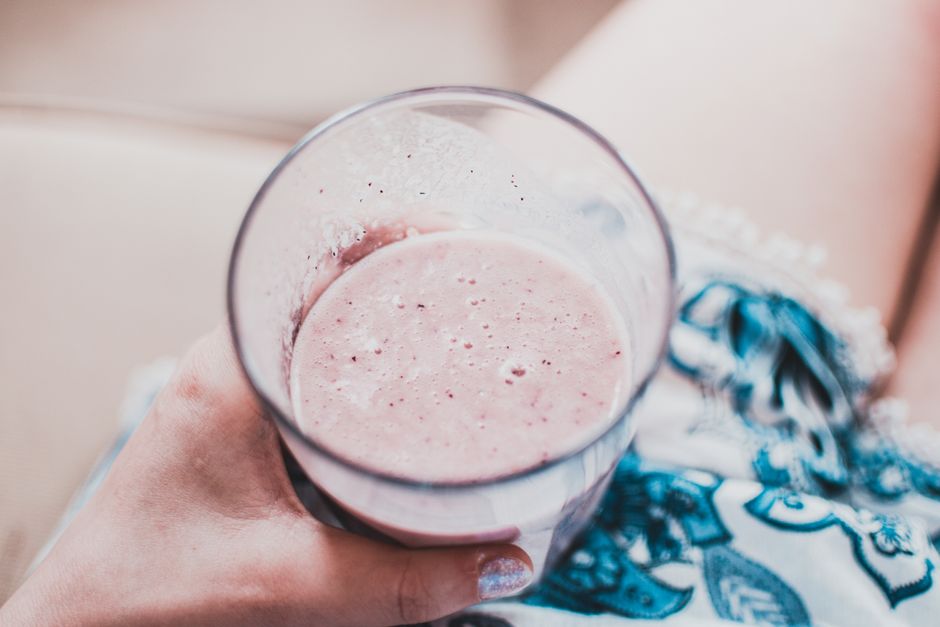
Most women trying to lose weight are tracking every bite of food and never once thinking about what’s in their glass — even though drinks can quietly add hundreds of calories a day without touching your hunger.
How much should I drink for weight loss? Aim for roughly 9 cups (about 72 ounces) of total fluids daily, per general U.S. guidance for adult women, and choose mostly water or unsweetened drinks. Fluid needs rise with heat, exercise, and pregnancy. There is no single number that causes weight loss — drinking enough supports it by helping you replace calorie-containing beverages and manage appetite.
Here’s the part most search results skip. The question isn’t only how much fluid you drink — it’s what you’re drinking and when. A 20-ounce sweetened iced tea can carry 200 calories or more and do nothing for fullness.
This article separates the fluid-volume question from the calorie question, because they behave very differently for weight loss. You’ll get realistic targets, the drinks worth swapping, and honest answers on the “water burns fat” claims you’ve probably seen.
Key Points at a Glance
| Point | What It Means | Why It Matters |
|---|---|---|
| Fluid target for women | About 9 cups of total fluids daily from all drinks and food | Gives you a realistic baseline to adjust from |
| Water doesn’t burn fat | No strong clinical evidence that plain water raises metabolism meaningfully | Keeps expectations honest — the benefit is substitution |
| Liquid calories count | Sugary drinks add calories without triggering fullness | Swapping them is one of the simplest calorie cuts |
| Thirst vs. hunger | Thirst is sometimes mistaken for hunger | Drinking first can reduce unnecessary snacking |
| More isn’t always better | Very high fluid intake can dilute sodium in rare cases | Moderation matters, especially during long endurance events |
How Much Should I Drink Each Day for Weight Loss?
Start with the general adult-women guideline of about 9 cups of total fluids daily, then adjust upward for exercise, hot weather, and pregnancy or breastfeeding. This figure comes from broad national dietary guidance and covers all beverages plus water from food. It is a starting point, not a prescription.
For weight loss specifically, the volume matters less than the swap. Replacing one 12-ounce regular soda with water saves roughly 140 calories — about 1,000 calories a week if it’s a daily habit. That’s a meaningful deficit without changing a single meal.
Does Drinking Water Actually Help You Lose Weight?
Some studies suggest drinking water before meals is linked to modestly greater weight loss, likely because it takes up stomach space and reduces how much you eat. Evidence indicates the effect is small and inconsistent across studies. It is not a fat-burning mechanism.
What research consistently shows is that calories from liquids are poorly “registered” by appetite. Your body doesn’t compensate by eating less later the way it does with solid food. That’s why sugary sodas, juices, and fancy coffee drinks are such common blind spots in food journals.
If you’ve heard water “boosts metabolism,” here’s the honest version. Drinking cold water causes a tiny, temporary calorie burn from warming it to body temperature. The amount is so small it won’t move the scale. The real lever is what water replaces.
Which Drinks Should You Cut Back On?
The highest-impact swaps are sweetened sodas, fruit juice, sweetened teas and coffees, and alcohol. Fruit juice is a frequent surprise — an 8-ounce glass carries roughly 110 to 120 calories and far less fiber than whole fruit. Diet sodas are calorie-free, though evidence on whether they help weight loss is mixed.
Alcohol deserves its own note. It adds calories with no nutritional benefit and tends to loosen food choices. If you drink, tracking it honestly in the same place as your food is the single most useful step.
How Do You Know If You’re Drinking Enough?
Pale yellow urine and infrequent thirst are reasonable everyday signs you’re adequately hydrated. Dark yellow urine and persistent thirst suggest you’re running low. These are practical markers, not medical tests.
If you want a personalized starting point for how many calories you actually burn — which puts drink calories in context — run your numbers through the TDEE Calculator. Knowing your daily burn makes it obvious when a 200-calorie drink is cutting into your deficit.
Related Articles
Frequently Asked Questions
How many cups of water should a woman drink daily for weight loss?
General guidance for adult women is about 9 cups of total fluids per day, including water from food and other drinks. For weight loss, the bigger lever is replacing sweetened beverages with water rather than hitting an exact cup count.
Does drinking water before meals help with weight loss?
Some studies suggest drinking water before meals is linked to modestly greater weight loss, likely by reducing how much you eat. The effect is small and not consistent across all studies, so treat it as a helpful habit rather than a strategy on its own.
Can drinking too much water be harmful?
Yes, in rare cases very high fluid intake can dilute blood sodium, a condition called hyponatremia. This is mostly a concern during long endurance events, and normal daily drinking spread across the day is generally not a problem.
Is sparkling water as good as plain water for weight loss?
Unsweetened sparkling water hydrates you just as well as plain water and contains no calories. Check the label for added sugar or sweeteners, since flavored varieties vary widely.
Do diet sodas help or hurt weight loss?
Diet sodas are calorie-free, so they can help if they replace regular sugary drinks. Evidence on whether they independently support weight loss is mixed, and some people find them linked to sweet cravings.
Should I count coffee and tea toward my daily fluids?
Yes, coffee and tea count toward total fluid intake, and moderate caffeine is generally fine for hydration. The calories come from what you add — sugar, cream, and syrups add up quickly.

The TDEECAL Team writes about nutrition, metabolism, and fat loss the way we built our calculator, with real numbers and no hype. We dig into the research so you don’t have to guess.