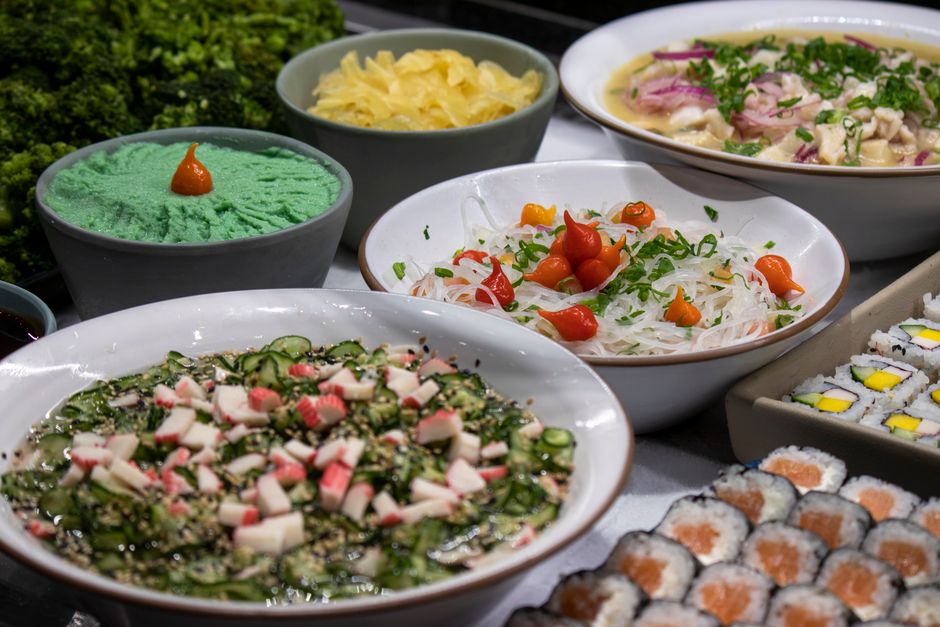
Surimi — the stretchy white seafood behind most crab sticks — has quietly become a staple in American kitchens, and for good reason: it is cheap, lean, and ready to eat straight from the pack. But is surimi healthy for weight loss? The short answer: it can be, with caveats. Surimi is high in protein and low in fat, which supports weight loss, but many processed crab sticks are also high in sodium and added starch. Reading the label matters more than the product name.
Most women hitting a weight-loss plateau are not confused about big-picture nutrition. They are confused about the middle ground — foods that look healthy on the package but do not always deliver. Surimi sits right in that gray zone.
This article breaks down what surimi actually is, how it compares to real fish and other lean proteins, and where it fits in a calorie-controlled diet. No hype. No fearmongering. Just the numbers and the labels.
Key Points at a Glance
| Point | What It Means | Why It Matters |
|---|---|---|
| Protein content | Roughly 6–10 grams per 3-ounce serving, depending on brand | Protein supports satiety and preserves muscle during a calorie deficit |
| Calorie density | About 80–100 calories per 3 ounces for plain surimi | Low calorie density makes portion control easier |
| Sodium | Often 300–600 mg per serving | High sodium can mask scale progress through water retention |
| Added starch and sugar | Common in crab sticks and flavored surimi | Raises carbs and calories without adding protein |
| Processing level | Surimi is a highly processed food | Whole-food proteins generally offer more micronutrients per calorie |
What Is Surimi, Exactly?
Surimi is minced white fish — usually pollock — that has been washed, blended with stabilizers, and shaped into products like crab sticks, seafood salad, and imitation lobster. The washing step removes fat and some flavor, which is why manufacturers add sugar, salt, and crab extract.
It is not a “fake” food in the dangerous sense. It is a processed protein, similar in category to deli turkey or canned tuna packed in oil. The question is not whether it is real. The question is what else comes in the package.
Is Surimi Healthy for Weight Loss Compared to Real Fish?
Real fish wins on nutrition. A 3-ounce serving of plain cod or tilapia delivers 15–20 grams of protein with almost no added sodium or starch. Surimi typically delivers half that protein for similar calories, because water and starch make up a large share of the weight.
That said, surimi costs a fraction of fresh fish and keeps in the fridge for weeks. If the alternative is skipping protein altogether or reaching for chips, surimi is the better choice. Some research suggests that higher-protein diets support weight loss by improving satiety, though results vary by individual.
How Many Calories and How Much Protein Are in Surimi?
Plain surimi runs roughly 80 to 100 calories per 3-ounce serving, with about 6 to 10 grams of protein. Crab sticks with added starch often land closer to 110–130 calories and 5–7 grams of protein. Flavored or breaded varieties can go higher.
Compare that to a 3-ounce chicken breast at about 140 calories and 26 grams of protein. Surimi is not a protein powerhouse. It is a light protein that works best as part of a meal, not the centerpiece.
If you are tracking calories, use the TDEE Calculator to see how surimi fits into your daily target.
What Should You Watch Out For on the Label?
Sodium is the biggest concern. Many crab sticks carry 300–600 mg per serving, which is a meaningful chunk of the 2,300 mg daily limit recommended for most adults. If you eat surimi daily, that adds up fast.
Watch for added sugar and modified food starch too. These raise the carb count and can blunt the satiety benefit you would get from a pure protein. Look for products where fish comes first on the ingredient list and starch appears later — or not at all.
How Should You Use Surimi in a Weight-Loss Diet?
Treat surimi as a supporting player, not the main event. It works well in seafood salads made with Greek yogurt instead of mayo, in lettuce wraps, or tossed into a stir-fry with extra vegetables and a lean protein like shrimp or egg.
Pair it with fiber and volume — cucumber, celery, greens, brown rice — so the meal feels filling without leaning on calories. And keep portions realistic. Two to three ounces per meal is a reasonable serving for most adults.
No strong clinical evidence currently supports surimi as a superior weight-loss food. It is simply one lean protein option among many. Use it when it fits your budget and your calorie target, and choose whole fish or poultry when you can.
Related Articles
Frequently Asked Questions
Is surimi healthy for weight loss?
Surimi can support weight loss because it is low in calories and provides some protein. However, its high sodium and added starch mean it works best as an occasional lean protein, not a daily staple.
How much protein is in a crab stick?
A typical crab stick contains about 2 to 3 grams of protein per stick, depending on brand and size. A full 3-ounce serving usually delivers 6 to 10 grams.
Is surimi better than chicken for weight loss?
Chicken breast offers roughly two to three times more protein per serving than surimi for a similar calorie count. Chicken is generally the stronger choice for satiety and muscle preservation during weight loss.
Does surimi have a lot of sodium?
Yes — most crab sticks contain 300 to 600 mg of sodium per serving. That is a significant portion of the 2,300 mg daily limit recommended for most adults.
Can I eat surimi every day on a diet?
You can, but it is not ideal. Daily surimi intake can push sodium too high and crowd out more nutrient-dense proteins like fish, poultry, eggs, or legumes.
Is imitation crab real seafood?
Imitation crab is made from real white fish, usually pollock, that has been processed and flavored to resemble crab. It contains seafood but is not crab.

The TDEECAL Team writes about nutrition, metabolism, and fat loss the way we built our calculator, with real numbers and no hype. We dig into the research so you don’t have to guess.