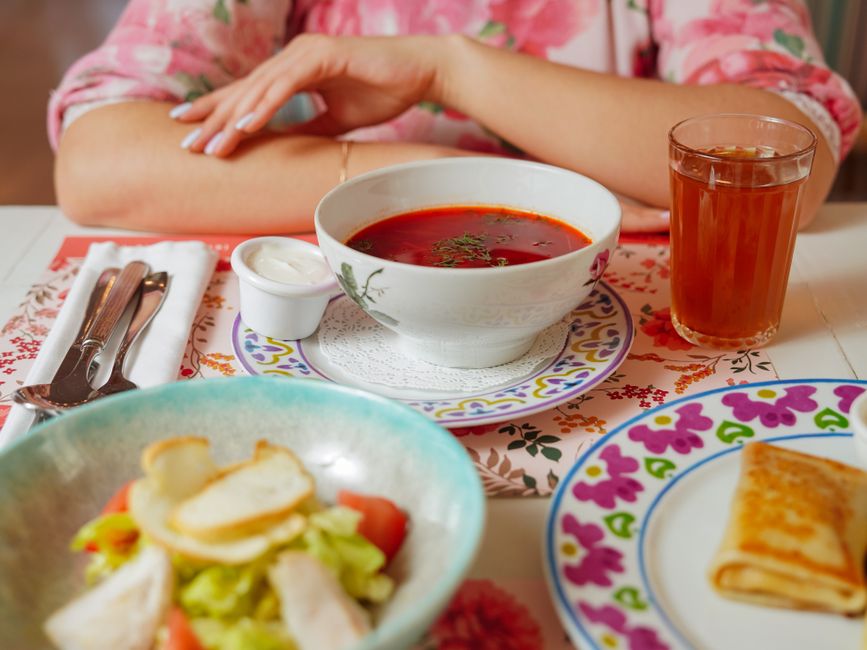
Chicken noodle, minestrone, or a creamy broccoli cheddar — soup can be the best thing in your diet or a calorie trap hiding in a bowl. The difference almost always comes down to what’s in the pot, not the soup itself.
Are soups good for weight loss? Yes — soup can support weight loss when it is broth-based, high in vegetables and protein, and low in added cream, butter, and sodium. Soup helps because it is filling for relatively few calories, and research on meal-start soups has found it can reduce total calories eaten at that meal. Cream-based and heavily processed soups can work against you.
Most diet advice treats soup as a side note. That’s a mistake. Soup is one of the few foods that combines high water content, volume, and slow eating into a single meal — three factors that reliably affect how full you feel.
But the soup aisle is also where marketing gets loud. “Healthy” labels sit on soups loaded with sodium and cream. This article separates the soups that help from the ones that quietly add hundreds of calories, and shows you how to build a bowl that actually works for you.
Key Points at a Glance
| Point | What It Means | Why It Matters |
|---|---|---|
| Broth-based soups are the strongest choice | Vegetable, bean, and lean-meat soups are high in volume and low in calories | You eat a full bowl for fewer calories than most meals |
| Cream soups can carry 300+ calories per cup | Cream, butter, and cheese add calories fast without adding fullness | A “small” bowl can rival a full dinner |
| Soup eaten before a meal can reduce intake | Research on meal-start soup found lower total calories at the meal | A cup of broth soup before dinner is a low-effort lever |
| Sodium is the hidden issue | Canned and restaurant soups can exceed 800 mg sodium per cup | High sodium can mask progress on the scale through water retention |
| Protein and fiber decide how full you stay | Beans, lentils, chicken, and vegetables slow digestion | A soup without them leaves you hungry an hour later |
Why Does Soup Help With Weight Loss?
Soup works through volume and water content. Foods with high water content take up more space in your stomach for the same calories, and some research suggests this affects fullness more than drinking water alongside a dry meal. That is why a bowl of vegetable soup can feel more satisfying than a smaller portion of something denser.
Soup also slows you down. You eat it with a spoon, in small bites, usually hot. That pace gives your body time to register fullness. I notice this most with clients who eat lunch at their desks — a soup forces a slower meal than a sandwich eaten in five minutes.
Are Soups Good for Weight Loss, or Do Some Work Against You?
The answer depends almost entirely on the base. Broth-based soups — minestrone, vegetable barley, chicken and rice, lentil, black bean — deliver volume and fiber for roughly 100 to 200 calories per cup. Cream-based soups often run 250 to 400 calories per cup, and the cream adds fat without much added fullness.
Watch for soups described as “creamy” or “bisque” even when they contain no dairy — pureed squash or potato soups can be calorie-dense too. And restaurant soups are a separate category. A bread bowl of clam chowder can land near 800 calories before you order anything else.
What Should You Look For in a Weight-Loss Soup?
Start with protein and fiber. A soup with beans, lentils, chicken, or tofu plus a generous amount of vegetables keeps you full far longer than broth alone. Aim for a soup where you can see the beans or meat, not just taste them.
Then check sodium. Canned soups often carry 600 to 900 mg per cup, and some “light” versions are not much better. If you rely on canned soup regularly, compare labels — the range between brands is wide. Lower-sodium versions exist and taste fine once you add your own herbs and pepper.
One cook’s note from my own kitchen: I rinse canned beans before adding them to soup. It cuts sodium noticeably and the soup does not taste any different.
How Do You Build a Filling Soup at Home?
Use a low-sodium broth as your base, then add vegetables first — onion, carrot, celery, canned tomatoes, zucchini. Add a protein: lentils, chickpeas, shredded chicken, or white beans. Finish with seasoning rather than fat. A squeeze of lemon, fresh herbs, and black pepper do more for flavor than an extra tablespoon of butter.
If you want a creamy texture without the calories, blend a portion of the vegetables into the broth instead of adding cream. Pureed white beans or cauliflower thicken soup and add fiber at the same time. I do this with potato soup and nobody at my table has noticed.
Portion matters too. A large pot of soup is easy to overeat because it feels light. Use a bowl, not the pot, and pair it with something you chew. Knowing your daily calorie needs helps you see where soup fits — you can estimate yours with the TDEE Calculator.
Related Articles
Frequently Asked Questions
Are soups good for weight loss?
Yes, broth-based soups high in vegetables and protein can support weight loss because they are filling for relatively few calories. Cream-based and heavily processed soups can add significant calories and sodium, so the type of soup matters more than soup itself.
Can eating soup before a meal help you eat less?
Some research suggests that eating a broth-based soup before a meal can reduce the total calories you eat at that meal. The effect appears tied to the water and volume in the soup rather than to drinking water separately.
Are canned soups bad for weight loss?
Canned soups are not automatically bad, but many are high in sodium and some cream varieties are high in calories. Choosing lower-sodium, broth-based canned soups and checking the label makes them a workable option.
How many calories are in a bowl of soup?
Broth-based vegetable or bean soups typically run roughly 100 to 200 calories per cup, while cream-based soups often fall between 250 and 400 calories per cup. Restaurant portions are usually larger than a cup, so the total can be much higher.
Is soup filling enough to replace a meal?
Soup can work as a meal if it contains enough protein and fiber, such as beans, lentils, chicken, or tofu plus vegetables. Broth-only soup usually is not filling enough on its own and leaves you hungry soon after.
Does soup help with hydration and weight loss?
Soup contributes to fluid intake and its water content is part of why it feels filling. It does not replace drinking water, and high-sodium soups can work against hydration if eaten often.

The TDEECAL Team writes about nutrition, metabolism, and fat loss the way we built our calculator, with real numbers and no hype. We dig into the research so you don’t have to guess.