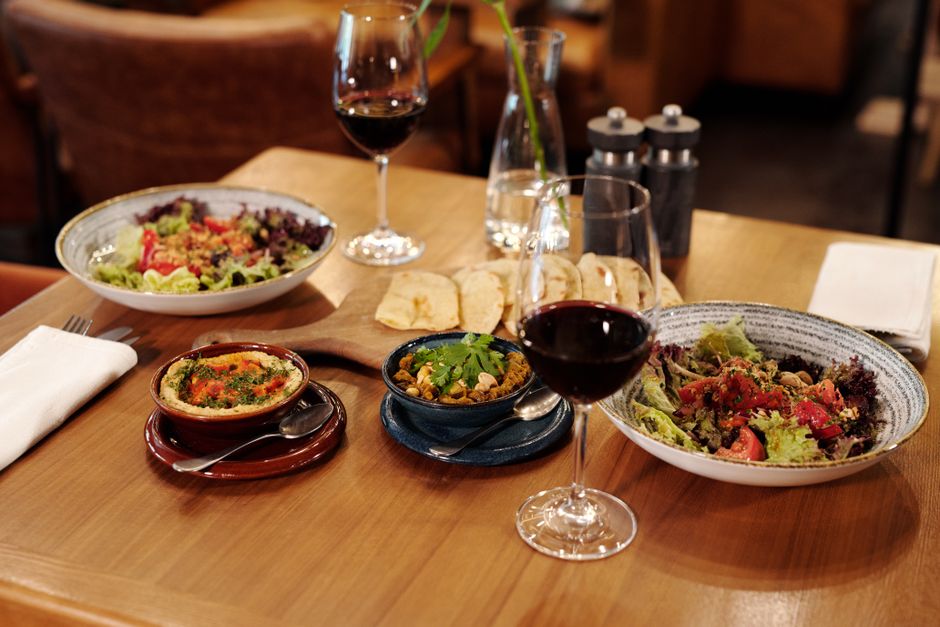
A glass of red wine with dinner feels like it should be harmless. It’s only about 125 calories, after all — roughly the same as a slice of bread.
But whether red wine is okay for weight loss depends on how much you drink and what happens to your appetite and sleep afterward. The short answer: is red wine ok for weight loss? It can fit, but only if you count the calories and keep it to one small glass. Wine doesn’t burn fat, and it doesn’t cancel out a good diet — but it does add calories your body burns first.
Most diet advice treats alcohol as an afterthought. That’s a mistake. Alcohol is calorie-dense, it loosens your food choices, and it disrupts the sleep that helps regulate hunger hormones. Those three effects matter more than the wine itself.
This article covers what the research actually shows, how many calories you’re really drinking, and the practical rules that keep a glass of wine from quietly stalling your progress.
Key Points at a Glance
| Point | What It Means | Why It Matters |
|---|---|---|
| Calories per glass | A 5 oz pour of dry red runs roughly 120–130 calories | Two glasses nightly adds about 1,750 calories a week |
| Alcohol is burned first | Your body prioritizes alcohol as fuel and pauses fat oxidation | Fat burning slows for hours after drinking |
| Appetite effect | Alcohol can increase short-term food intake | One glass often becomes an extra snack or larger portion |
| Sleep disruption | Alcohol fragments sleep in the second half of the night | Poor sleep raises next-day hunger and cravings |
| Moderation guidance | US dietary guidance defines moderate drinking as up to 1 drink daily for women | That’s a ceiling, not a target |
How Many Calories Are in a Glass of Red Wine?
A standard 5-ounce pour of dry red wine contains roughly 120 to 130 calories, according to USDA data. That figure climbs with higher-alcohol wines and larger pours. A generous restaurant glass of 8 ounces can easily hit 200 calories.
Here’s the part most people miss: alcohol itself supplies about 7 calories per gram. That’s more than carbohydrates or protein, which each provide about 4. And those calories carry no vitamins, minerals, or fiber your body can use.
I keep a small 5-ounce carafe on the counter for this exact reason. It sounds fussy, but the visual makes the difference obvious.
Does Alcohol Slow Down Fat Burning?
Yes — and this is well established. When you drink alcohol, your body prioritizes metabolizing it over other fuel sources, including stored fat. Research consistently shows that alcohol suppresses fat oxidation for several hours after consumption.
That doesn’t mean a glass of wine “turns to fat” on its own. It means the fat you eat alongside it is more likely to be stored rather than burned. The total calorie picture still decides weight change over weeks and months.
Some studies suggest moderate red wine intake is associated with slightly better metabolic markers than other alcohol types. The evidence is mixed, and much of it is observational — meaning it can’t prove wine caused the difference.
Is Red Wine Ok for Weight Loss, or Should You Skip It?
Red wine can fit into a weight loss plan, but it isn’t a weight loss tool. No strong clinical evidence supports the idea that resveratrol in wine — often marketed as a metabolism booster — produces meaningful fat loss in humans at typical drinking amounts.
The resveratrol content in a glass of wine is small. Studies showing benefits generally use concentrated doses far beyond what drinking provides. This is often claimed, though strong clinical evidence is still limited.
What’s the Safest Way to Drink and Still Lose Weight?
Keep it to one 5-ounce glass, and not every night. US dietary guidance defines moderate drinking for women as up to one drink per day — a ceiling, not a recommendation to drink daily. Several alcohol-free nights a week make a real difference to your weekly calorie total.
Eat protein and vegetables before you pour. Alcohol lowers your resolve around food, and arriving at the table already fed blunts that effect. Alternate with sparkling water so the glass lasts longer.
Also watch the timing. A drink within two to three hours of bed fragments sleep, and poor sleep raises next-day hunger. Many women find the scale stalls more from disrupted sleep than from the wine itself.
Related Articles
Frequently Asked Questions
How many calories are in a glass of red wine?
A standard 5-ounce pour of dry red wine has roughly 120 to 130 calories. Larger pours and higher-alcohol wines can push that to 190 calories or more.
Can you drink red wine and still lose weight?
Yes, if the calories fit within your daily total and you keep intake moderate. One small glass a few nights a week is far easier to absorb than a nightly habit.
Does red wine have any special weight loss benefit?
No strong clinical evidence shows red wine causes weight loss. The resveratrol content is small, and studies showing benefits use doses far above normal drinking amounts.
Is red wine better than beer or cocktails for weight loss?
Dry red wine is often lower in calories than beer or sugary mixed drinks. A 5-ounce pour of wine runs about 125 calories, while a 12-ounce regular beer is roughly 150.
Why does drinking wine make me hungrier?
Alcohol can increase short-term food intake and lower your restraint around food choices. Eating protein and vegetables before drinking helps blunt this effect.
How many drinks per week are considered moderate for women?
US dietary guidance defines moderate drinking for women as up to one drink per day. That is an upper limit, not a target to reach daily.

The TDEECAL Team writes about nutrition, metabolism, and fat loss the way we built our calculator, with real numbers and no hype. We dig into the research so you don’t have to guess.