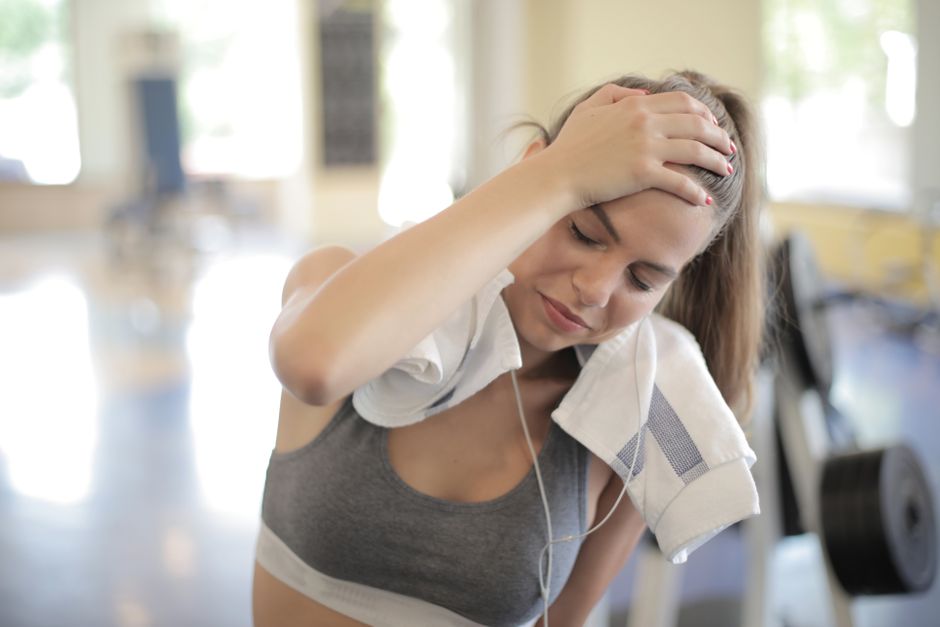
You step off the treadmill drenched in sweat and feel like you’ve just earned serious weight loss points. But that soaked shirt might be misleading you.
Sweating itself does not directly cause fat loss. The weight you lose from sweat is mostly water weight, which returns as soon as you rehydrate. Sweating for weight loss is a common misconception, and understanding what sweat actually signals can save you months of frustration.
This article breaks down what sweat means for your metabolism, how much it matters for calorie burn, and what you should actually focus on instead. Most advice online misses the real story, so let’s clear it up.
Key Points at a Glance
| Point | What It Means | Why It Matters |
|---|---|---|
| Sweat equals water loss, not fat loss | Weight lost through sweat is temporary water weight | Rehydrating restores the weight — it’s not real progress |
| Sweating burns very few calories | The act of sweating itself uses minimal energy | Calorie burn comes from the exercise, not the sweat |
| Heavy sweating doesn’t mean a better workout | Sweat rate depends on genetics, heat, and humidity | Two people can burn the same calories but sweat differently |
| Sweat can signal effort, but it’s not a measure | Intensity matters more than how wet you get | Focus on heart rate and how you feel, not your shirt |
| Dehydration from sweating hurts fat loss | Losing too much water slows metabolism and recovery | Drink water before, during, and after exercise |
Does Sweating Actually Burn Calories?
Your body uses a tiny amount of energy to produce sweat, but it’s negligible. The cooling process — your sweat glands pushing fluid to your skin — burns maybe a few extra calories per hour. That’s less than a single cracker.
The real calorie burn comes from the activity that made you sweat. Running, lifting, or cycling raises your heart rate and burns energy. Sweat is just a side effect of your body trying to cool down. I’ve seen people proudly log “sweat sessions” on a stationary bike without pedaling hard — and wonder why the scale doesn’t move.
Is Sweating for Weight Loss a Real Strategy?
Using sweat as a goal for weight loss is a trap. People wear trash bags, sit in saunas, or overheat their workouts hoping to “sweat out” fat. That doesn’t work. Fat leaves your body mostly as carbon dioxide through your lungs, not as sweat through your skin.
The scale might show a lower number after a heavy sweat session, but that’s temporary water loss. Once you drink fluids or eat food with sodium, your body holds onto water again. The number bounces back.
What Does Sweat Actually Tell You About Your Workout?
Sweat can indicate your body is working to regulate temperature, but it doesn’t tell you how many calories you burned. Some people sweat heavily from a brisk walk in warm weather. Others barely glisten during a hard interval session in air conditioning. Neither is a reliable measure of effort or calorie burn.
Your sweat rate is influenced by genetics, fitness level, humidity, clothing, and even how much caffeine you had. A fitter person often starts sweating sooner because their cooling system is more efficient. So sweating more doesn’t mean you’re working harder — it might mean your body is better at cooling itself.
How Should You Measure Workout Effectiveness Instead?
Use heart rate, perceived exertion, or how your muscles feel. A simple talk test works: if you can hold a conversation but not sing, you’re in a moderate zone. If you can barely say a few words, you’re pushing hard. Those signals are far more useful than how wet your hair gets.
Track progress by how your clothes fit, your energy levels, and your strength or endurance gains over weeks. Those are real markers of fat loss and fitness improvement.
Can Sweating Help With Bloating or Water Retention?
Yes, temporarily. Heavy sweating can reduce water retention for a few hours, which may make you feel less puffy. Some people notice their rings fit looser or their face looks leaner after a sauna or hot yoga class. That’s a cosmetic effect, not fat loss.
But this effect reverses quickly. Your body needs water to function, and it will reclaim that fluid within hours. It’s often claimed that sweating “detoxifies” your body, though strong clinical evidence is still limited. Your liver and kidneys handle detox — sweat plays a very minor role.
Common Mistakes People Make With Sweating and Weight Loss
Wearing extra layers or plastic suits to increase sweat is dangerous. It raises your core temperature to unsafe levels and increases dehydration risk. You might pass out or strain your heart without burning a single extra calorie.
Another mistake is skipping water during exercise to “keep the sweat going.” That backfires. Dehydration lowers your performance, so you burn fewer calories overall. It also stresses your kidneys and makes recovery harder. Drink water regularly during workouts, especially if you’re sweating heavily.
If you want to know exactly how many calories your body needs each day, use our TDEE Calculator for a personalized estimate based on your age, weight, height, and activity level.
Related Articles
Frequently Asked Questions
Does sweating more mean you are losing more fat?
No. Sweat is water, not fat. Fat loss comes from a calorie deficit, not from how much you perspire.
How many calories does sweating burn?
The act of sweating itself burns very few calories — likely less than 10 per hour. The exercise causing the sweat burns the calories.
Can you lose weight by sitting in a sauna?
You lose water weight temporarily, but it returns as soon as you rehydrate. No fat is lost in a sauna.
Is it bad to not sweat during a workout?
Not necessarily. Some people naturally sweat less due to genetics or cooler environments. Focus on effort, not sweat.
Does sweat mean you are in the fat-burning zone?
No. Sweat is a cooling response, not a fat-burning signal. The fat-burning zone is a specific heart rate range, unrelated to sweat.
Should you weigh yourself after a sweaty workout?
No. Your weight will be artificially low from water loss. Weigh yourself in the morning before eating or drinking for accuracy.

The TDEECAL Team writes about nutrition, metabolism, and fat loss the way we built our calculator, with real numbers and no hype. We dig into the research so you don’t have to guess.