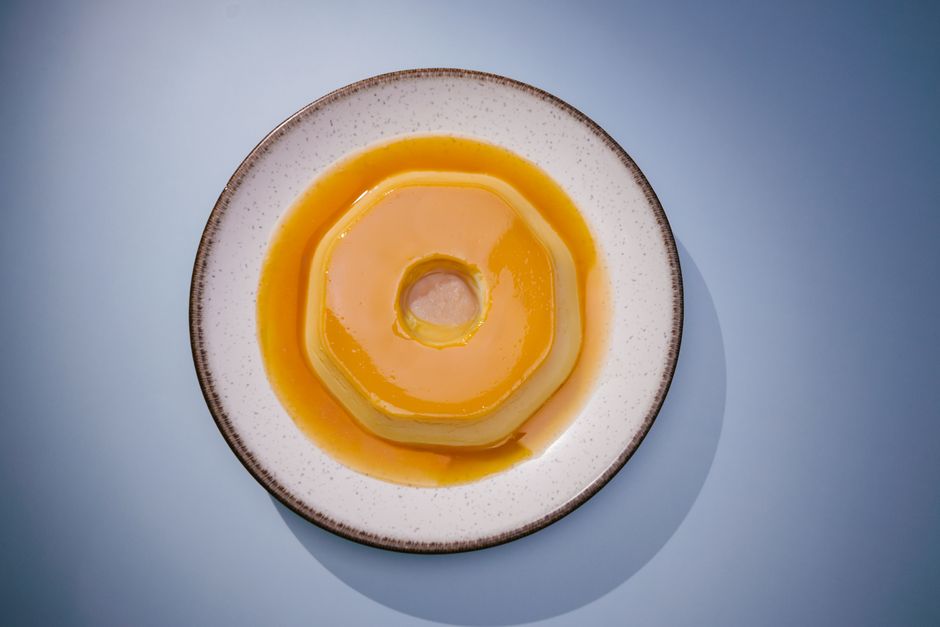
After bariatric surgery, finding snacks that are high in protein yet gentle on your new stomach can feel like a challenge. This bariatric gelatin recipe for weight loss is a simple, sugar-free solution that delivers about 10 grams of protein per serving with only 45 calories, helping you stay full and on track without irritating your digestive system. It uses unflavored protein powder and sugar-free gelatin mix to create a smooth, satisfying treat that fits perfectly into a post-op diet plan. Unlike store-bought options, this homemade version lets you control the sweetness and protein content, making it a reliable tool for anyone focused on healing and gradual, sustainable weight loss.
Is Bariatric Gelatin Recipe for Weight Loss Good for Weight Loss?
Yes, this recipe supports weight loss because it is low in calories and high in protein. Each serving provides around 10 grams of protein, which helps preserve muscle mass while your body burns fat for energy. Protein also increases satiety, meaning you feel fuller for longer after eating it. This can prevent mindless snacking between meals, which is a common struggle during weight loss.
There is one honest limitation, however. This recipe is not a meal replacement. It works best as a snack or a light dessert option. Relying on it alone for nutrition would leave you short on fiber, healthy fats, and other essential vitamins. For best results, pair it with balanced meals that include vegetables, lean protein, and whole grains.
I always whisk the protein powder into the cold water before adding the boiling water. This prevents clumps from forming. It makes a noticeable difference in the final texture.
High-Protein Bariatric Gelatin
Ingredients
- 1 box (0.3 oz) sugar-free gelatin mix, any flavor (such as strawberry, cherry, or orange)
- 1 cup boiling water
- 1 scoop (about 30g) unflavored or vanilla protein powder (whey or collagen-based works best)
- 1 cup cold water
- Optional: ½ cup fresh berries or diced fruit (adds fiber and natural sweetness)
How to Make Bariatric Gelatin Recipe for Weight Loss Step by Step
- Combine the protein powder with the cold water in a medium bowl. Whisk vigorously until fully dissolved and no lumps remain. This step is crucial for a smooth texture.
- Add the sugar-free gelatin mix to a separate large bowl. Pour the boiling water over the gelatin and stir for 2 minutes until completely dissolved.
- Whisk the protein powder mixture into the dissolved gelatin mixture. Stir gently but thoroughly until combined.
- Pour the mixture into a 9×9-inch dish or divide evenly among four small serving cups. If using fruit, scatter it evenly across the dishes now.
- Refrigerate uncovered for at least 4 hours, or until fully set. Cover after 2 hours to prevent a skin from forming on top.
Nutrition Facts
Per serving (½ cup, without optional fruit)
Nutrition estimates based on USDA FoodData Central data. Values may vary by brand or ingredient substitution.
Substitutions and Variations
| Original | Swap | Why It Works |
|---|---|---|
| Whey protein powder | Collagen peptides or plant-based protein powder | Collagen dissolves easily and is gentle on sensitive stomachs; plant-based options work but may alter texture slightly |
| Sugar-free gelatin mix | Unflavored gelatin + sugar-free drink mix (like Crystal Light) | Reduces artificial colors while still providing flavor and sweetness |
| Fresh berries | Frozen berries (thawed and drained) | Frozen berries are often cheaper and available year-round; just drain excess liquid to prevent watering down the gelatin |
| Plain gelatin | Add 1 tablespoon of sugar-free pudding mix | Creates a creamier, dessert-like texture without extra sugar or calories |
Storage and Make-Ahead Tips
- Store prepared gelatin in an airtight container in the refrigerator for up to 5 days.
- Do not freeze this recipe. Freezing destroys the gelatin structure and creates a watery, grainy texture when thawed.
- For make-ahead prep, prepare the mixture and pour into individual portion cups. This makes grab-and-go snacking easy all week.
- If the gelatin develops a rubbery layer on top after storage, simply stir it gently before eating to restore the smooth texture.
Related Articles
Frequently Asked Questions
Can I eat this bariatric gelatin recipe every day?
Yes, it is safe to eat daily as part of a balanced diet. However, variety is important for getting a range of nutrients, so rotate it with other high-protein snacks like Greek yogurt or cottage cheese.
How many calories are in one serving of this bariatric gelatin recipe?
One serving contains about 45 calories. This makes it an excellent low-calorie option for satisfying a sweet craving without derailing your daily calorie goal.
Will this recipe help me lose weight after bariatric surgery?
It can support weight loss by providing filling protein with very few calories. But it is not a standalone solution — long-term success depends on overall diet quality, portion control, and regular physical activity.
Can I use flavored protein powder instead of unflavored?
Yes, you can use flavored protein powder, but reduce or omit the sugar-free gelatin mix to avoid an overly sweet result. Vanilla protein pairs well with berry or peach gelatin flavors.
What is the best protein powder for this bariatric gelatin recipe?
Whey protein isolate or collagen peptides work best because they dissolve completely and create a smooth texture. Avoid casein protein, as it thickens too much and can make the gelatin grainy.
Is this recipe safe for the first few weeks after surgery?
It is generally safe for the soft food stage, which typically begins 2–4 weeks post-op. Always follow your surgeon’s specific dietary guidelines and start with small portions to test tolerance.
For more tools to track your progress, use our TDEE Calculator to find your daily calorie needs and adjust your portions accordingly.

The TDEECAL Team writes about nutrition, metabolism, and fat loss the way we built our calculator, with real numbers and no hype. We dig into the research so you don’t have to guess.