You’ve been told oatmeal is the perfect breakfast for weight loss, but the scale isn’t budging. It can work, but not the way most people eat it.
Yes, oatmeal can support weight loss when you choose the right type, control your portion, and add protein and healthy fats. Plain rolled oats with a balanced mix of toppings help regulate appetite and provide steady energy. The key is avoiding sugary instant packets and oversized bowls that turn a healthy meal into a calorie bomb.
Most advice skips the practical details. This article covers the specific choices and habits that actually make a difference for weight loss. You’ll learn what to buy, how much to eat, and what to add so oatmeal works for you instead of against you.
Key Points at a Glance
| Point | What It Means | Why It Matters |
|---|---|---|
| Type of oats matters | Steel-cut or rolled oats are best. Instant oats are heavily processed. | Less processing means a lower glycemic response and longer fullness. |
| Portion control is critical | A serving is 1/2 cup dry oats, about 150 calories. | Most people double this without realizing it. |
| Protein and fat keep you full | Add eggs, Greek yogurt, nuts, or seeds to your bowl. | Oatmeal alone lacks protein and fat, leading to hunger later. |
| Toppings can sabotage progress | Brown sugar, honey, dried fruit, and cream add empty calories. | A healthy bowl turns into a dessert in seconds. |
| Timing and consistency matter | Eating oatmeal regularly at breakfast can reduce overall daily calorie intake. | Consistency builds habits that support long-term weight management. |
How Does Oatmeal Help With Weight Loss?
Oatmeal helps with weight loss primarily through two mechanisms: its fiber content and its effect on appetite. A half-cup of dry rolled oats contains about 4 grams of fiber, mostly beta-glucan. This soluble fiber forms a gel in your gut that slows digestion and keeps you feeling full for hours.
That fullness can lead to eating fewer calories later in the day. One study found that people who ate oatmeal for breakfast consumed significantly fewer calories at lunch compared to those who ate a sugary cereal with the same calorie count. This is often claimed, though strong clinical evidence is still limited.
Practical tip: I always measure my oats with a dry measuring cup before cooking. Eyeballing it is the easiest way to accidentally eat 300 calories instead of 150.
What Type of Oats Is Best for Oatmeal Weight Loss?
Steel-cut oats and rolled oats are your best choices. Both are minimally processed and retain the whole grain structure. Steel-cut oats take longer to cook but have the lowest glycemic impact. Rolled oats cook faster and still provide excellent fiber and fullness.
Instant oats are the worst option for weight loss. They are pre-cooked and dried, which breaks down the starch and raises the glycemic index. Instant packets often contain added sugar, salt, and artificial flavors. If convenience is a must, look for plain instant oats with no added ingredients.
How Should You Prepare Oatmeal for Weight Loss?
Cook your oats in water or unsweetened almond milk to keep calories low. A typical bowl made with 1/2 cup dry oats and water comes to about 150 calories. For protein, stir in one scoop of unflavored protein powder or a beaten egg white while the oats are still hot.
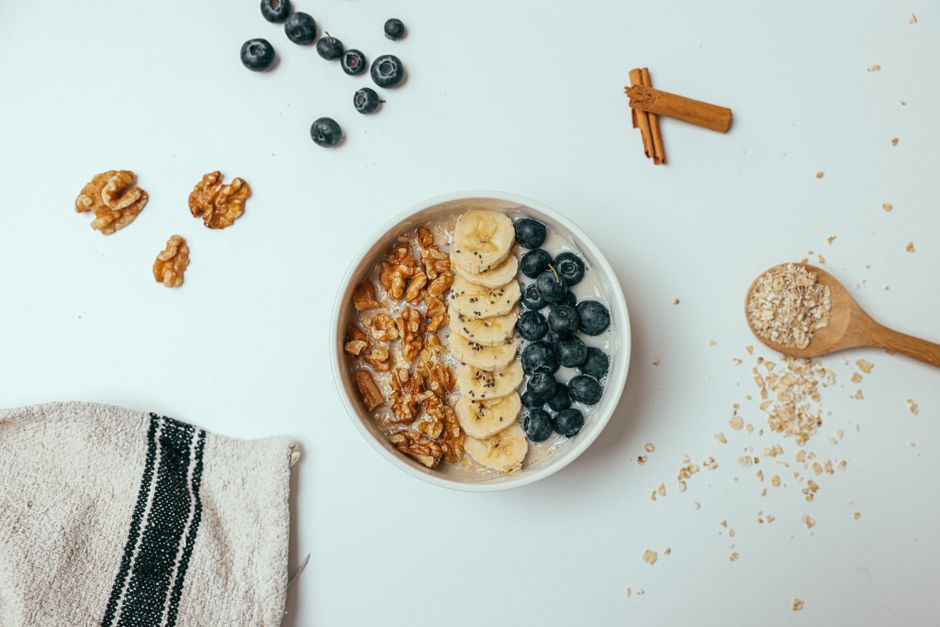
Top your bowl with ingredients that add protein, healthy fat, and flavor without excess sugar. Good options include a tablespoon of almond butter, a handful of walnuts, a few berries, or a sprinkle of cinnamon. Avoid brown sugar, maple syrup, honey, dried fruit, and heavy cream.
Practical tip: I add a pinch of salt and a dash of vanilla extract to my cooking water. It makes the oats taste naturally sweet without any added sugar.
Common Mistakes That Sabotage Oatmeal Weight Loss
The biggest mistake is portion size. Many people pour a cup or more of dry oats into their bowl, which doubles or triples the calorie count. Stick to 1/2 cup dry oats, and measure it every time until you can eyeball it accurately.
The second mistake is treating oatmeal like a blank canvas for sugary toppings. A tablespoon of brown sugar adds 50 calories, and a handful of dried cranberries adds another 70. Those small additions add up fast. Instead, use fresh fruit and spices for sweetness.
The third mistake is eating oatmeal alone without protein or fat. Plain oats are mostly carbs. Without protein or fat, your blood sugar spikes and then crashes, leaving you hungry within two hours. Always add a protein source and a small amount of healthy fat.
Frequently Asked Questions
Related Articles
Is oatmeal good for weight loss every day?
Yes, eating oatmeal daily can support weight loss if you keep portions controlled and add protein and fat. Just vary your toppings to avoid boredom and ensure you get a range of nutrients.
How many calories are in a serving of oatmeal?
A standard serving is 1/2 cup of dry rolled oats, which contains about 150 calories. Cooked with water, that same serving is around 1 cup and still 150 calories.
Can I eat instant oatmeal for weight loss?
Plain instant oats are okay in a pinch, but flavored packets often contain added sugar and fewer nutrients. Rolled or steel-cut oats are better for fullness and blood sugar control.
What should I add to oatmeal for weight loss?
Add a protein source like Greek yogurt, eggs, or protein powder, plus a small amount of healthy fat like nuts or seeds. Berries and cinnamon add flavor without extra calories.
Does oatmeal cause bloating?
Some people experience bloating from the high fiber content, especially if they are not used to it. Start with a smaller serving and increase gradually as your body adjusts.
Is oatmeal better than eggs for weight loss?
Both can be part of a weight loss diet. Oatmeal provides fiber and complex carbs, while eggs offer high-quality protein and fat. A combination of both works well for some people.
For a more personalized approach, use our TDEE Calculator to find your exact calorie needs and see how oatmeal fits into your daily goals.

The TDEECAL Team writes about nutrition, metabolism, and fat loss the way we built our calculator, with real numbers and no hype. We dig into the research so you don’t have to guess.