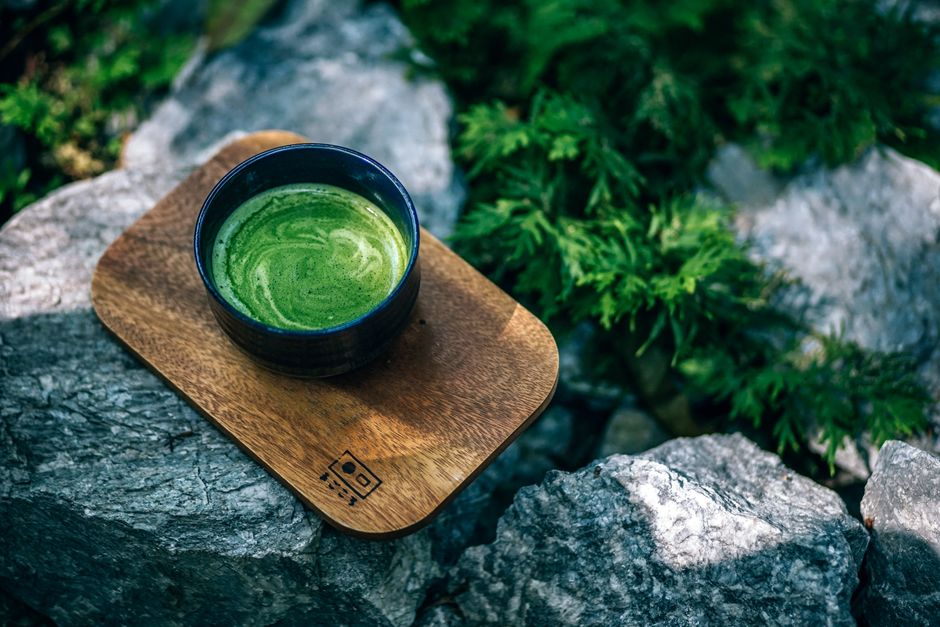
You scan the tea aisle and see matcha, sencha, oolong, and white tea all labeled “green.” It’s confusing. The honest answer is that plain brewed green tea without added sugar is your best bet for weight loss — specifically loose-leaf sencha or matcha, both rich in catechins that may support metabolism. But the evidence is modest, not miraculous. Most studies show a potential boost of about 50-100 extra calories burned per day, which is meaningful but not a shortcut. This article walks through which specific types of green tea have the most evidence behind them, how preparation matters, and what you should actually expect.
Key Points at a Glance
| Point | What It Means | Why It Matters |
|---|---|---|
| Catechins | Natural compounds in green tea that may slightly increase calorie burn | Matcha and sencha have the highest levels |
| Caffeine content | Boosts metabolic rate temporarily | Works alongside catechins for a small effect |
| Bottled vs. brewed | Bottled teas often have little catechin content | Brewing your own gives you real benefits |
| Added sugar | Negates any potential weight loss benefit | Unsweetened is the only way to go |
| Consistency | Daily intake over weeks matters more than type | One cup won’t change anything |
What Type of Green Tea Has the Most Evidence for Weight Loss?
Matcha leads the research. Because you consume the whole ground leaf, you get about ten times the catechins of regular brewed green tea. One small study found that women who drank matcha daily burned more fat during walking than those who didn’t. But the difference was small — about 15% more fat oxidation, which translates to roughly 40 extra calories from fat per session.
Sencha, the most common Japanese green tea, comes second. It has high catechin content when brewed properly — steeped at 160-170°F for 2-3 minutes, not boiled. I always use a thermometer for this because boiling water destroys the catechins. Cold-brewed sencha also works well and tastes less bitter, which makes it easier to drink daily.
Try this: Switch one cup of coffee for matcha or sencha. You’ll get less caffeine but more catechins. Drink it plain — no milk, no sugar. Do this for four weeks and see if your energy or cravings shift.
Does Brewing Method Change the Weight Loss Effect?
Yes, significantly. Water temperature and steep time directly affect how many catechins end up in your cup. Boiling water destroys EGCG, the main active compound. Aim for water around 170°F — when small bubbles form but the water isn’t rolling. Steep for 2-3 minutes maximum. Longer steeping makes the tea bitter without extracting more catechins.
Bagged green tea is convenient but often lower in catechins than loose leaf. Many commercial tea bags contain dust and fannings — the leftover bits after processing. These have fewer catechins than whole leaves. If you use bags, look for brands that list catechin content on the label. Avoid bottled green teas entirely — most have negligible catechin levels and often contain added sugar or sweeteners.
What About Flavored or Blended Green Teas?
Flavored green teas like jasmine, mint, or citrus blends still contain green tea leaves, so they retain some catechins. But the added flavorings can reduce the catechin concentration per cup. Jasmine green tea is a good choice because the jasmine flowers don’t dilute the leaves much. Mint blends often have fewer green tea leaves per serving.
Matcha blends are trickier. Some “matcha” products are mostly sugar or milk powder with a tiny amount of matcha. Check the ingredient list — if sugar is listed first, it’s not a weight loss tool. Genuine matcha should list only one ingredient: green tea powder. I’ve seen “matcha lattes” with 20 grams of sugar per serving. That’s the same as a soda.
How Many Cups Per Day Actually Help?
Most research uses 3-5 cups per day. That’s the sweet spot for seeing any measurable effect on metabolism or fat oxidation. One cup per day provides antioxidants but won’t meaningfully change your weight. The effect is cumulative — it builds up over weeks of consistent intake.
Spreading cups throughout the day works better than drinking them all at once. Your body processes catechins and caffeine more efficiently in smaller, regular doses. Morning, midday, and afternoon are good times. Avoid drinking green tea late in the evening if you’re sensitive to caffeine — it can disrupt sleep, which is counterproductive for weight loss.
Practical note: If 3-5 cups sounds like a lot, start with two. One in the morning, one after lunch. Build up over two weeks. Use our TDEE Calculator to track your calorie target — green tea works best alongside a consistent calorie deficit.
Common Mistakes That Kill the Benefit
Adding sugar or honey is the biggest mistake. A teaspoon of sugar adds 16 calories. Three cups with sugar adds 48 calories — that cancels out most of the metabolic boost. Milk is another problem. Casein, a protein in milk, binds to catechins and reduces absorption. Studies show milk can cut catechin absorption by up to 80%. Drink green tea plain.
Using old tea leaves is also common. Catechins degrade over time. Fresh green tea — within six months of harvest — has the highest levels. Check the harvest date on the package. If there’s no date, the tea is likely old. Store green tea in an airtight container away from light and heat to preserve catechins.
Related Articles
Frequently Asked Questions
Is matcha better than regular green tea for weight loss?
Yes, because you consume the whole leaf, giving you more catechins per serving. But it costs more and requires whisking.
Can I drink green tea on an empty stomach?
It’s fine for most people, though some feel nauseous from the tannins. Try eating a small snack first if you notice discomfort.
Does decaf green tea work for weight loss?
Decaf green tea has fewer catechins because the decaffeination process removes some. It still provides antioxidants but the metabolic boost is smaller.
How long does it take to see results from green tea?
Most studies show small changes after 4-8 weeks of daily drinking. The effect is subtle — don’t expect dramatic weight loss from tea alone.
Can I drink green tea with lemon for weight loss?
Lemon is fine and may even help absorption since vitamin C can stabilize catechins. Just don’t add sugar or honey.
Is bottled green tea effective for weight loss?
No. Most bottled green teas have minimal catechins and often contain added sugar. Brew your own for any real benefit.

The TDEECAL Team writes about nutrition, metabolism, and fat loss the way we built our calculator, with real numbers and no hype. We dig into the research so you don’t have to guess.