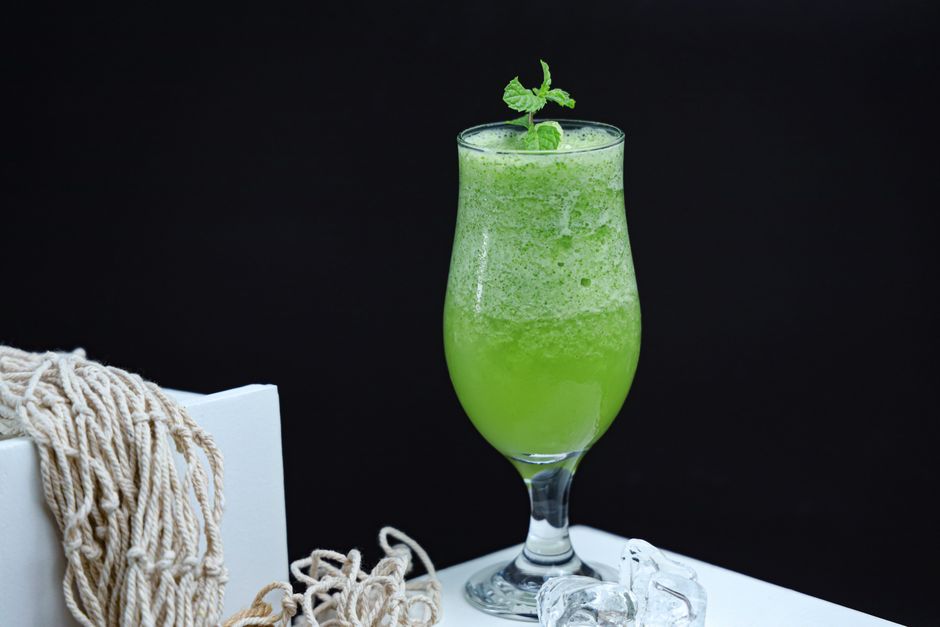
Most green juices at the store pack more sugar than a can of soda. That is the hard truth. If you are asking which is best juice for weight loss, the real answer is a homemade green juice that keeps vegetables as the star and fruit as a supporting player. A properly built juice delivers vitamins and hydration without the blood sugar spike that leaves you reaching for snacks an hour later. This version uses cucumber, celery, lemon, and just enough green apple for sweetness — it comes in at roughly 110 calories per 12-ounce serving with 3 grams of fiber and no added sugar.
This juice is for anyone who wants a quick morning option that actually fills them up. It is not a meal replacement. But it works as a low-calorie bridge between breakfast and lunch, or a pre-workout energy boost that won’t weigh you down. The key is keeping fruit portions small and loading up on high-water vegetables instead.
I have been making this juice for years, and the one thing that changed everything was adding a pinch of salt. It balances the acidity of the lemon and makes the flavors pop without needing extra fruit. Give it a try.
Is Green Juice Actually Good for Weight Loss?
Green juice can support weight loss, but only if you build it right. The problem with store-bought juices is they often use fruit juice as a base, which adds 20 to 30 grams of sugar per bottle. That sugar spikes insulin and tells your body to store fat instead of burn it. A homemade juice with mostly vegetables keeps sugar low and fiber intact, which helps control appetite.
One honest limitation: juicing removes most of the fiber from whole fruits and vegetables. That means you lose some of the satiety benefit you would get from eating the same ingredients whole. To fix this, pair your juice with a handful of nuts or a hard-boiled egg. That combo gives you fiber from the nuts and protein to stabilize blood sugar.
I always add a pinch of sea salt to my juice. It sounds strange, but it helps your body absorb the water and electrolytes from the vegetables. You feel more hydrated and less hungry afterward.
How to Make the Best Juice for Weight Loss Step by Step
Simple Green Weight Loss Juice
Ingredients
- 2 large stalks celery (about 1 cup chopped)
- 1 medium cucumber, peeled if waxed (about 1 cup chopped)
- 1 small green apple, cored (about 3/4 cup chopped)
- 1/2 lemon, peeled (about 2 tablespoons juice)
- 1 cup fresh spinach or kale, packed
- 1/2 inch fresh ginger, peeled
- Pinch of sea salt
Instructions
- Wash all produce thoroughly. Chop vegetables and apple into pieces small enough to fit your juicer chute. No need to peel the cucumber if it is unwaxed — the skin adds fiber.
- Juice the celery, cucumber, apple, lemon, leafy greens, and ginger in that order. Starting with softer ingredients helps push harder ones through the machine.
- Stir in the pinch of sea salt. This balances the tartness and helps your body absorb the electrolytes from the vegetables.
- Pour into a glass and drink immediately. Fresh juice loses nutrients quickly when exposed to air.
Nutrition Facts
Nutrition Facts
Per serving (12 ounces)
Nutrition estimates based on USDA FoodData Central data. Values may vary by brand or ingredient substitution.
Substitutions and Variations
| Original | Swap | Why It Works |
|---|---|---|
| Spinach or kale | Swiss chard or romaine lettuce | Both are low-calorie greens with a mild flavor that blends well with fruit. Romaine adds extra water content for hydration. |
| Green apple | 1/2 pear or 1/2 cup pineapple | Pear adds similar sweetness with slightly more fiber. Pineapple gives tropical flavor but watch the sugar — use half the amount. |
| Lemon | Lime or 1 tablespoon apple cider vinegar | Both provide acidity to balance sweetness. Vinegar may also help with blood sugar control, though evidence is still emerging. |
| Fresh ginger | 1/4 teaspoon ground ginger or omit | Ground ginger works in a pinch but use less. Omit entirely if you prefer a milder flavor. |
Storage and Make-Ahead Tips
- Fresh juice is best within 15 minutes of making. Nutrients degrade quickly when exposed to air and light.
- If you must store it, pour into an airtight glass jar and refrigerate for up to 24 hours. Fill the jar to the top to minimize air exposure.
- Do not freeze this juice. The texture separates and becomes watery when thawed.
- Prep your ingredients the night before. Wash and chop vegetables, store them in a sealed container in the fridge. In the morning, just juice and go.
- Shake or stir well before drinking if the juice has separated during storage. This is normal and does not affect taste.
Frequently Asked Questions
Related Articles
Which is best juice for weight loss at the grocery store?
Look for green juices that list vegetables first and have under 10 grams of sugar per serving. Avoid anything with “from concentrate” or “fruit juice blend” near the top of the ingredient list.
Can I drink this juice every day for weight loss?
Yes, but treat it as a supplement to a balanced diet, not a replacement for whole meals. Drinking it alongside protein and healthy fat will keep you full longer.
How many calories are in a glass of weight loss juice?
This recipe has 110 calories per 12-ounce serving. Most store-bought green juices range from 120 to 200 calories per bottle, often with more sugar.
Does green juice help burn belly fat?
No single food targets belly fat. But swapping a high-sugar drink for this low-calorie green juice can help reduce overall calorie intake, which supports fat loss over time.
Is it better to juice or blend for weight loss?
Blending keeps the fiber intact, which helps with fullness. Juicing removes fiber but allows your body to absorb nutrients faster. Choose blending if satiety is your main goal.
Can I add protein powder to this juice?
Yes, unflavored or vanilla protein powder works well. Stir it in after juicing to avoid clogs in your machine. This turns the juice into a more balanced snack.
Want to know exactly how many calories you need each day to lose weight? Use the TDEE Calculator to find your personalized number. It takes two minutes and gives you a real target to aim for.

The TDEECAL Team writes about nutrition, metabolism, and fat loss the way we built our calculator, with real numbers and no hype. We dig into the research so you don’t have to guess.