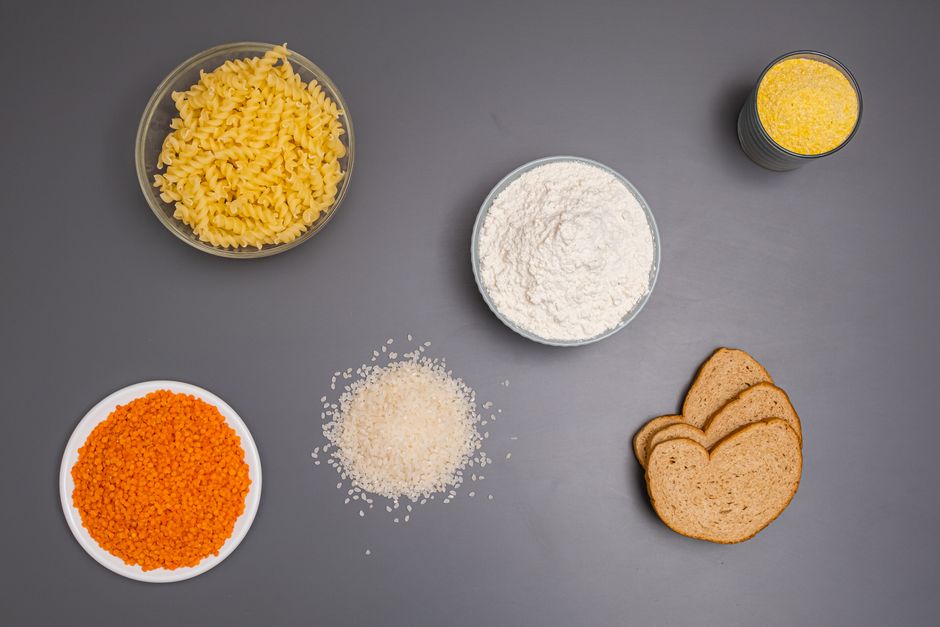
You are standing in the grocery aisle, a bag of rice in one hand and a box of pasta in the other. Both are cheap, filling, and easy to cook. But if weight loss is your goal, the choice matters more than you might think.
For weight loss, neither rice nor pasta is inherently better — the winner depends entirely on portion size, what you pair it with, and how often you eat it. Both are calorie-dense carbohydrates, but pasta generally has a slight edge because its higher protein and fiber content can keep you fuller longer with the same number of calories. The real question is not which is better for weight loss, but how you use either one.
Most advice you will find online picks a side and fights for it. This article skips the food war and looks at the actual numbers, the research, and the practical choices that make a real difference when you are trying to lose weight.
I have lost weight myself while eating both. The difference was never the food itself. It was how much I served and what I put on top.
Key Points at a Glance
| Point | What It Means | Why It Matters |
|---|---|---|
| Calorie density | Rice and pasta have similar calories per cooked cup — around 200-220. | Portion size decides the calorie impact, not the food type. |
| Protein content | Pasta has about 7-8 grams of protein per cooked cup, rice has 4-5 grams. | Higher protein helps with fullness and muscle maintenance during weight loss. |
| Fiber | Whole grain versions of both offer more fiber than white versions. | Fiber slows digestion and keeps blood sugar steadier. |
| Glycemic index | White rice has a higher GI than most pasta. | Lower GI foods can reduce hunger spikes after meals. |
| Satiety per calorie | Pasta tends to score higher in satiety studies than rice. | You may feel satisfied with less pasta than rice. |
What Does the Research Actually Say About Rice vs. Pasta?
Several studies have compared how rice and pasta affect weight and appetite. A 2018 review in the journal Nutrients found that pasta consumption was not linked to higher body weight when eaten as part of a Mediterranean diet. In fact, people who ate pasta tended to have better diet quality overall. Rice studies show a more mixed picture — white rice intake is sometimes linked to higher weight gain, especially in populations that eat large portions daily.
But here is what the headlines do not tell you. These studies compare people eating pasta with vegetables and olive oil against people eating rice with fatty meats and little produce. The food around the starch matters more than the starch itself. When I cook pasta for dinner, I always add a full cup of sautéed vegetables and a lean protein. That habit alone changes the meal completely.
Which Is Better for Weight Loss Rice or Pasta When You Control for Portions?
If you serve yourself one cup of cooked white rice versus one cup of cooked spaghetti, the calorie difference is small — roughly 20 calories. The more meaningful difference is how your body responds. Pasta has a lower glycemic index than white rice, which means your blood sugar rises more slowly. That slower rise can help you avoid the energy crash and hunger that often follows a high-GI meal.
Pasta also has about 60 percent more protein per serving than white rice. That extra protein triggers more satiety hormones. In practice, this means you may feel full for an extra hour or two after pasta compared to rice. For weight loss, that extra hour of fullness can be the difference between reaching for a snack or waiting for your next meal.
Does the Type of Rice or Pasta Change the Answer?
Yes, it changes the answer significantly. Brown rice has more fiber than white rice and a lower glycemic index. Whole wheat pasta has more fiber and protein than regular pasta. If you swap white rice for brown rice, or regular pasta for legume-based pasta like chickpea or lentil, the nutritional gap widens considerably. A cup of chickpea pasta has around 13 grams of protein and 8 grams of fiber — nearly double that of whole wheat pasta.
I keep both brown rice and chickpea pasta in my pantry. I use them on different days based on what I am cooking. Neither is a magic bullet, but both are better choices than their white counterparts.
What About the Toppings and Sauces?
This is where most people unknowingly sabotage their weight loss. A plain bowl of rice or pasta is not the problem. The problem is the butter, oil, cream sauce, cheese, or sugary stir-fry sauce that gets added. One tablespoon of butter adds 100 calories. A half-cup of Alfredo sauce adds around 200 calories. Suddenly your 200-calorie serving of pasta becomes a 500-calorie meal.
Rice often gets paired with fried preparations or heavy coconut milk. Pasta often gets drowned in oil and cheese. The solution is simple but not easy: measure your add-ons. Use a kitchen scale for sauces. Use measuring spoons for oil. I stopped eyeballing my olive oil years ago and started using a teaspoon. That one change saved me about 150 calories per meal without me noticing any difference in taste.
Frequently Asked Questions
Related Articles
Is rice or pasta better for weight loss if I eat the same portion size?
Pasta is slightly better because it has more protein and fiber, which help you feel full longer. The calorie difference per cup is small — around 20 calories.
Can I eat rice every day and still lose weight?
Yes, as long as you keep your portion to one cooked cup and balance it with vegetables and lean protein. Brown rice is a better daily choice than white rice.
Does pasta make you gain belly fat?
No single food causes belly fat — that is determined by overall calorie balance and genetics. Pasta eaten in reasonable portions as part of a balanced diet does not target belly fat.
Which has more carbs, rice or pasta?
They are very close — one cooked cup of white rice has about 45 grams of carbs, while pasta has about 43 grams. The difference is negligible for weight loss purposes.
Is whole wheat pasta actually better for weight loss than white pasta?
Yes, whole wheat pasta has more fiber and a lower glycemic index. This means it digests more slowly and keeps you fuller for longer than white pasta.
Should I avoid both rice and pasta to lose weight faster?
No, cutting out entire food groups is rarely sustainable and often backfires. Including moderate portions of rice or pasta can help you stick to your diet long-term.
If you are tracking your calories and want to see how rice or pasta fits into your daily needs, use the TDEE Calculator to find your maintenance calories and adjust from there.

The TDEECAL Team writes about nutrition, metabolism, and fat loss the way we built our calculator, with real numbers and no hype. We dig into the research so you don’t have to guess.