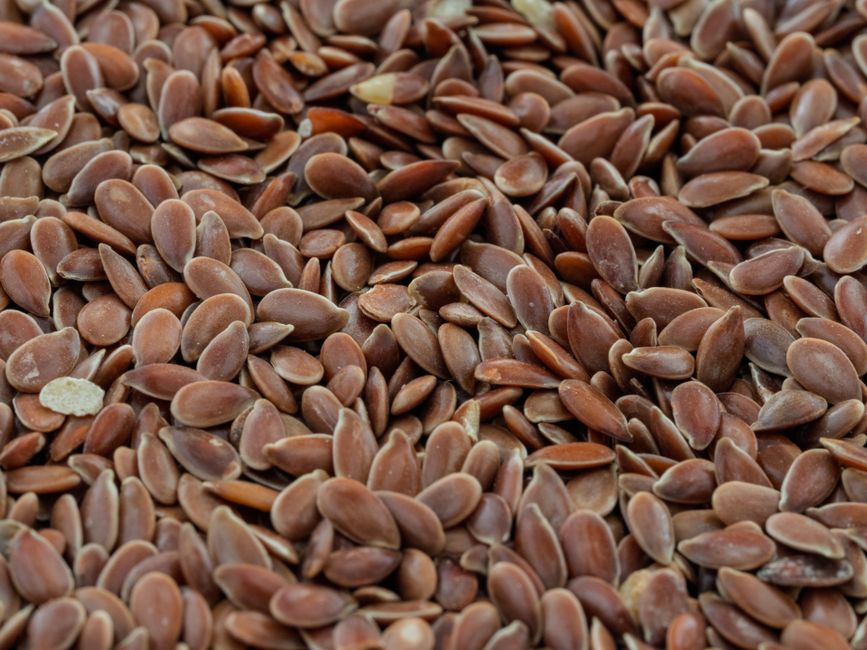
Fiber supplements line the shelves at every drugstore, yet most women over 35 find themselves still struggling with weight after taking them. The best fiber supplement for weight loss is psyllium husk — specifically a pure, unflavored powder form with at least 3.5 grams of soluble fiber per serving — because it has the strongest clinical evidence for appetite control and modest weight reduction.
Women in this age range often hit a wall where dieting alone stops working. Hormonal changes, slower digestion, and increased insulin resistance make traditional calorie cutting less effective. Fiber targets two of these issues directly: it slows glucose absorption and keeps the stomach full longer. Most generic advice misses this distinction between fiber types and their actual metabolic effects.
This article covers which fiber supplement actually works, why most store brands fall short, and how to use it without bloating or discomfort. You will also learn the one mistake that makes fiber supplements useless for weight loss.
Key Points at a Glance
| Point | What It Means | Why It Matters |
|---|---|---|
| Psyllium is the top choice | It has the most published research for weight control | Other fibers lack strong human trial data |
| Soluble fiber reduces appetite | Forms a gel in the stomach that delays emptying | Leads to eating 100–200 fewer calories per day naturally |
| Timing matters as much as dose | Taking fiber 30 minutes before meals works best | Random timing reduces the appetite effect |
| Start low and go slow | Begin with half a serving for 5–7 days | Prevents gas, bloating, and cramping |
Why Psyllium Beats Other Fiber Supplements for Weight Loss
Psyllium husk comes from the seeds of Plantago ovata. It contains mostly soluble fiber that turns into a thick gel when mixed with water. This gel physically stretches the stomach and slows how fast food moves into the small intestine. The result is a longer feeling of fullness after meals.
Other fibers like inulin, methylcellulose, or wheat dextrin do not form the same gel structure. Inulin is a prebiotic that feeds gut bacteria but has weaker evidence for appetite suppression. Methylcellulose is synthetic and does not ferment, which means less bloating but also less impact on hunger hormones. Psyllium sits in a sweet spot where it works mechanically and hormonally.
Practical tip: I always mix psyllium powder into a full 12-ounce glass of water and drink it immediately. Letting it sit for even one minute turns it into a pudding that is hard to swallow.
How Much Fiber Do You Actually Need for Weight Loss?
The daily recommendation for total fiber is 25 grams for women under 50 and 21 grams for women over 50. Most women in the US get about 12–15 grams per day from food. A fiber supplement should bridge this gap, not replace food fiber entirely.
For weight loss specifically, studies show that adding 10–12 grams of psyllium per day can reduce body weight by 2–4 pounds over 8–12 weeks. This is not dramatic weight loss, but it happens without changing anything else in the diet. The effect comes from eating fewer calories naturally because you feel full longer.
What Is the Best Fiber Supplement for Weight Loss — And What to Avoid
Pure psyllium husk powder with no added sugar, flavors, or fillers is the best fiber supplement for weight loss. Look for products that list psyllium husk as the only ingredient. Avoid versions labeled “orange” or “berry” flavor because they often contain 2–4 grams of added sugar per serving, which defeats the purpose.
Capsules are less effective than powder. Studies consistently show that liquid fiber reaches the stomach faster and forms a more consistent gel. Capsules may also cause you to take less than the effective dose because each capsule contains only about 0.5 grams of fiber. You would need 6–8 capsules to match one serving of powder.
One more thing to avoid: fiber gummies. They contain a fraction of the fiber per serving and are loaded with sugar alcohols that cause gas and diarrhea in many women over 40.
Common Mistakes That Make Fiber Supplements Useless
The biggest mistake is taking fiber with a meal instead of before it. When fiber is mixed directly into food, it binds to some nutrients but does not create the same stomach-stretching effect. Taking it 20–30 minutes before eating gives the gel time to form and signal fullness to the brain.
Another mistake is not drinking enough water. Psyllium needs water to expand. Without adequate fluid, it can clump in the esophagus or cause constipation. Drink at least 8 ounces of water with each serving and another 8 ounces within the next hour.
Finally, many women stop after a few days because of bloating. Starting with half a serving and increasing slowly over 10–14 days allows the gut to adjust. Bloating that persists beyond two weeks may mean the product contains additives you are sensitive to.
How to Use Fiber Supplements Without Digestive Discomfort
Start with 3–4 grams per day for the first week. Take it 30 minutes before your largest meal. Increase to 6–7 grams in the second week, then to 10–12 grams by week three. Spread the dose across two meals if needed — half before lunch and half before dinner.
Women with IBS or sensitive digestion may tolerate psyllium better than other fibers. The slow fermentation of psyllium produces less gas than rapidly fermented fibers like inulin. If psyllium still causes discomfort, try a partially hydrolyzed guar gum supplement, which has a lower gas profile but less weight loss evidence.
Use the TDEE Calculator to set your calorie target first. Fiber supplements work best when your overall energy balance is already in a modest deficit.
Frequently Asked Questions
Related Articles
Can fiber supplements replace vegetables for weight loss?
No. Whole vegetables provide vitamins, minerals, and phytochemicals that supplements cannot replicate. Use fiber supplements to fill a gap, not replace whole foods.
How long does it take for fiber supplements to work for weight loss?
Most women notice reduced appetite within 3–5 days of consistent use. Measurable weight loss typically appears after 4–6 weeks at a full dose.
Is it safe to take fiber supplements every day?
Yes, for healthy adults. Long-term use of psyllium at recommended doses has been studied for decades without serious side effects. Always drink enough water.
Do fiber supplements interfere with medications?
Yes, they can reduce absorption of some medications. Take fiber at least one hour before or two hours after any prescription medication. Check with your doctor if you take thyroid medication or blood thinners.
Which fiber supplement has the least bloating?
Psyllium causes less bloating than inulin or wheat dextrin for most people. If bloating persists, try a smaller dose or switch to a different brand without added gums or fillers.

The TDEECAL Team writes about nutrition, metabolism, and fat loss the way we built our calculator, with real numbers and no hype. We dig into the research so you don’t have to guess.