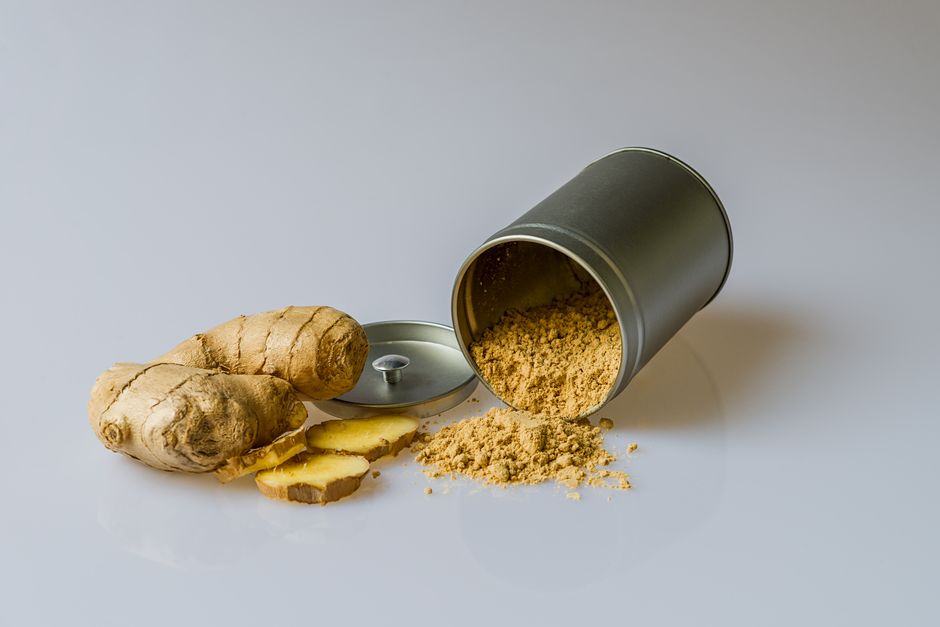
You’ve probably heard that ginger is good for you, but the real question is whether it actually helps with weight loss. The direct answer is that ginger shows modest, real effects on weight management through thermogenesis, appetite control, and blood sugar regulation, but it is not a standalone solution for significant weight loss — evidence supports it as a helpful addition to a calorie-controlled diet, not a replacement for one. Many women hit a frustrating plateau and start looking for that extra edge, and ginger is one of the few kitchen spices with actual research behind it. This article covers what the science really says so you can decide if adding ginger to your routine is worth the effort.
Key Points at a Glance
| Point | What It Means | Why It Matters |
|---|---|---|
| Thermogenesis effect | Ginger may slightly increase calorie burn | Small boost adds up over weeks, not days |
| Appetite control | Can reduce hunger between meals | Helps you stick to your calorie target |
| Blood sugar regulation | Slows glucose spikes after eating | Less insulin surge means less fat storage |
| Not a fat burner | No ingredient directly melts fat | Prevents unrealistic expectations |
| Works best with diet | Results only show with calorie deficit | Ginger is a helper, not a hero |
How Does Ginger Actually Affect Weight Loss?
The main way ginger supports weight loss is through thermogenesis — a fancy term for heat production in your body. A few small studies suggest that consuming ginger can temporarily raise your metabolic rate by about 5 percent, which means you burn slightly more calories at rest. That number sounds small, but over several months it can add up to a pound or two of extra loss.
Ginger also affects how your body handles sugar. When you eat a meal, ginger can slow down how fast glucose enters your bloodstream. This keeps insulin levels lower and more steady, which matters because high insulin tells your body to store fat instead of burn it. I always add a thin slice of fresh ginger to my morning tea — it makes a noticeable difference in how steady my energy feels until lunch.
Practical tip: Drink ginger tea 20 minutes before your largest meal. This timing helps with both appetite control and blood sugar response.
Is How Good is Ginger for Weight Loss Good for Weight Loss?
The research on how good is ginger for weight loss shows real but limited effects. A 2019 meta-analysis of 14 randomized controlled trials found that ginger supplementation led to modest reductions in body weight and waist circumference compared to placebo groups. The average weight loss from ginger alone was about 1 to 2 pounds over 8 to 12 weeks — noticeable but not dramatic.
What this means practically is that ginger works best as part of a complete strategy. If you are already eating in a calorie deficit and exercising regularly, adding ginger can push your results a little further. But if you rely on ginger alone without changing your diet, you will not see the scale move much. This is often claimed as a fat-burning miracle, though strong clinical evidence for dramatic weight loss is still limited.
How Much Ginger Should You Take for Weight Loss?
The studies that showed positive results used between 1 and 3 grams of ginger per day. That is roughly one to two teaspoons of fresh grated ginger or about half a teaspoon of dried ginger powder. Taking more than that does not seem to help more and can cause digestive upset or heartburn.
The form matters too. Fresh ginger root, ginger tea, and powdered ginger all work, but ginger supplements in capsules may be less effective because your body absorbs them differently. I find that fresh ginger steeped in hot water for 10 minutes gives the most consistent effect without any stomach irritation.
Safety note: If you take blood thinners or have gallbladder issues, check with your doctor before adding high amounts of ginger to your daily routine.
Common Mistakes People Make With Ginger for Weight Loss
The biggest mistake is expecting ginger to cancel out a bad diet. Drinking ginger tea while eating fast food will not lead to weight loss — the thermogenic effect is too small to offset extra calories. Another mistake is using sugary ginger drinks, like ginger ale or sweetened ginger tea, which add calories that undo any potential benefit.
Some people also take ginger inconsistently and give up after a few days. The thermogenesis and appetite control effects are temporary and require daily use to build up. If you skip days, you lose the cumulative benefit. Stick with it for at least 4 weeks before deciding whether it works for you.
Related Articles
Frequently Asked Questions
Can ginger alone cause weight loss?
No, ginger alone will not cause significant weight loss without a calorie deficit. It can support your efforts but cannot replace diet and exercise.
Is it better to take ginger in the morning or at night?
Morning or before meals is best for appetite control and blood sugar regulation. Taking it at night may interfere with sleep for some people.
How long does it take to see results from ginger?
Most studies show measurable changes after 8 to 12 weeks of daily use. Do not expect noticeable results in the first few weeks.
Does ginger tea work as well as fresh ginger?
Ginger tea works well if made from fresh root rather than premade tea bags. Premade teas often contain very little actual ginger.
Can I take ginger if I have high blood pressure?
Ginger is generally safe for most people with high blood pressure, but check with your doctor first. It can interact with some blood pressure medications.
Does ginger burn belly fat specifically?
No, you cannot target fat loss to one area of your body. Ginger may help reduce overall body fat, but spot reduction is not supported by evidence.
If you want to track how ginger fits into your daily calorie goals, use the TDEE Calculator to find your maintenance calories and set a realistic deficit.

The TDEECAL Team writes about nutrition, metabolism, and fat loss the way we built our calculator, with real numbers and no hype. We dig into the research so you don’t have to guess.